
Who Pays for Crime Scene Cleanup
Written by ASAP Restoration
When tragedy strikes and a crime scene requires cleaning, one of the most pressing questions is: Who pays for crime scene cleanup? From biohazard remediation to disinfection, cleaning up a crime scene is a task that demands trained professionals and involves significant costs. Understanding the payment process can help property owners, homeowners, and business owners prepare for the cost of crime scene cleanup.
What Does Crime Scene Cleanup Include?
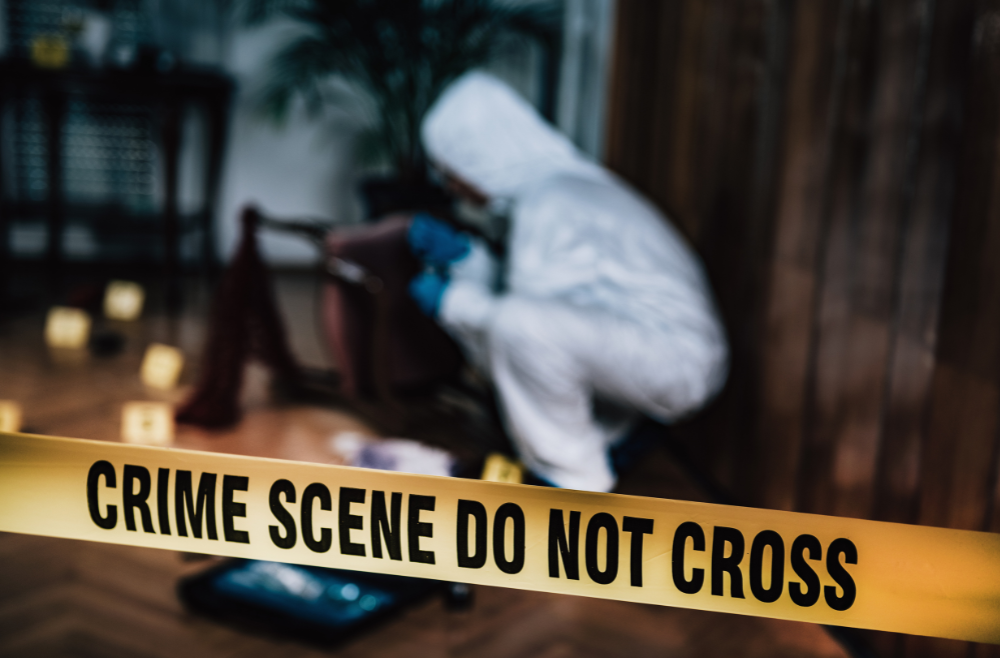
Crime scene cleanup involves the professional removal and decontamination of biohazardous materials, such as bodily fluids, broken glass, and other contaminants present after a violent crime, homicide, or suicide. The job often requires trained professionals to ensure compliance with health and safety standards and to decontaminate the affected areas effectively.
It’s important to know that crime scene cleanup services go beyond cleaning up a crime scene. They ensure the area is safe for future use, handling biohazards like body fluids or tear gas with care and precision. Because of the complexity of the job, these services are not inexpensive, and understanding who pays for a crime scene cleanup is critical.
Who Pays for Crime Scene Cleanup
The financial responsibility for crime scene cleanup services often depends on factors such as property ownership, insurance policies, and the type of crime.
The Property Owner’s Responsibility
In most cases, the obligation falls on the property owner. If a homicide or suicide occurs in a home or business, the homeowner, landlord, or business owner is responsible for cleaning and paying for the cleanup services.
For example, if a restaurant becomes the scene of a crime, the owner must cover the cleanup fees. Similarly, landlords might need to address cleanup in rental properties, while families may have to handle costs following an unattended death in a loved one’s home.
Insurance Policies and Crime Scene Cleanup Costs
Insurance policies can cover some or all of the costs for biohazard cleanup. A homeowner’s insurance policy, business insurance, or even auto insurance might help cover the cleanup fees for certain incidents.
– Coverage Limits: Policies vary significantly, with some covering only partial costs. It’s essential to review your policy for specific coverage details.
– Deductibles and Payouts: Most policies include deductibles, meaning the policyholder pays a portion of the costs before insurance kicks in. Some insurance companies might pay the cleanup companies directly, but others require reimbursement claims.
– Types of Coverage: Some policies distinguish between biohazard remediation and property damage repairs, so it’s crucial to clarify these differences with your insurance provider.
For the best outcomes, property owners should contact their insurance company promptly after a traumatic event occurs and work with professionals experienced in navigating the claims process.
Public Health Departments
In certain situations, like a death in a public area, the responsibility for crime scene cleanup falls to local or state health departments. Public safety necessitates swift action to remove biohazardous materials and prevent threats to health and safety.
For instance, if the scene of a crime involves a violent crime in a park or on public property, the government may foot the bill for the cleanup services. However, in cases where a victim’s next of kin is identified, they may still be held financially responsible.
How Much Does Crime Scene Cleanup Cost
Many people wonder, how much does crime scene cleanup cost? The answer depends on several factors, including:
– Size of the Crime Scene: Larger areas take more time and resources to decontaminate, increasing the total cost.
– Biohazardous Materials: The amount and type of biohazardous materials, such as bodily fluids, directly impact the cleanup fees.
– Location: Cleanup costs may vary significantly based on the geographic location and environmental conditions of the crime scenes.
– Experience of the Cleanup Technicians: More experienced crime scene cleaners may charge higher rates, but they often complete the job more efficiently.
The average price for crime cleanup services ranges from $3,000 to $5,000, although companies may charge an hourly rate for smaller jobs. These costs reflect the need for experienced professionals equipped to handle the complexity of the job safely and effectively.
What to Do After a Crime Scene Incident
If you’re facing the daunting task of arranging crime scene cleanup services, follow these steps:
– Do Not Interfere: Avoid entering the area to preserve forensic evidence.
– Contact Authorities: Allow responders to investigate the scene of a crime.
– Seek Insurance Guidance: Work with your insurance provider to understand coverage and initiate the claims process.
– Hire Professional Cleaners: Look for certified crime scene cleanup companies with the expertise to clean up the mess discreetly and thoroughly.
Alternatives for Covering Costs
When insurance policies don’t fully cover the cost of cleanup, other options include:
– Applying for support from crime victim funds.
– Exploring payment plans offered by crime scene cleanup companies.
Conclusion
Crime scene cleanup costs can be significant, but knowing who is responsible and what resources are available makes navigating this challenging process easier. Whether you’re a homeowner, business owner, or family member dealing with the aftermath of a traumatic event, understanding the roles of property owners, insurance providers, and public health departments can help ensure that the cleanup is handled safely and efficiently.
At ASAP Restoration, we’re committed to providing the information and guidance you need to handle these difficult situations with confidence and care. Always consult experienced professionals to ensure every step is completed properly.