
Standing Water in Your Crawl Space? Here’s Why It’s a Big Problem (and How to Fix It!)
A wet crawl space can lead to significant issues for your home, from structural damage to poor indoor air quality. Whether it’s standing water in your crawl space after heavy rain, plumbing leaks, or drainage issues, addressing any water damage promptly is crucial. Below, we’ll explore the causes of water in crawl spaces, the dangers it poses, and effective solutions to keep this important area dry.
Why Do Crawl Spaces Get Wet?
Common Causes of Water Intrusion
Crawl spaces are prone to water intrusion for various reasons, especially after heavy rain or snow. Water in the crawl space can originate from:
– Plumbing Issues: Leaking pipes and condensation are common culprits of water damage issues. Even a minor plumbing failure can introduce excess water.
– Drainage Problems: Poor grading around the foundation can allow surface water to seep into the area, especially during heavy rain.
– Sump Pump Failures: If your sump pump malfunctions, it can lead to a flooded crawl space, leaving standing water behind.
These causes of water and mold in your crawl space should be addressed to prevent long-term damage.
How Soil Around the Foundation Contributes
The soil around your foundation plays a significant role. If it’s overly saturated due to poor drainage, it can allow water to get inside the crawl space. Properly maintaining gutters and downspouts ensures water flows away from your home.
Why Water in a Crawl Space Is a Big Problem
Dangers of Water in Your Crawl Space
Standing water in a crawl space can cause serious problems, including:
– Structural Damage: Over time, standing water can erode the foundation and rot wooden beams and joists.
– Mold Growth: Excess water and high humidity levels encourage mold and mildew growth, affecting the air quality inside your home.
– Increased Energy Costs: Moisture in the crawl space forces your HVAC system to work harder, driving up energy bills.
The presence of water in a crawl space can also attract pests like termites, which thrive in damp conditions.
How Standing Water Goes Undetected
Many crawl spaces go unnoticed for months or years. Water pooling under the house often becomes evident only during a crawl space inspection or after significant damage. Regular inspections can help detect standing water in your crawl space early.
How to Fix Water Problems in Your Crawl Space
Step-by-Step Solutions for a Dry Crawl Space
Dealing with water in your crawl requires a multi-step approach:
1. Remove Standing Water: Use a wet/dry vacuum, pumps, or fans to remove water from the area. For severe issues, professional crawl space water removal services are recommended.
2. Dry the Space: Employ dehumidifiers to reduce crawl space moisture. Proper drying prevents mold growth and structural issues.
3. Address the Source: Fix plumbing leaks, repair grading around the foundation, and install or repair gutters to stop so much water from flowing near the foundation of your home.
Preventing Future Water Problems
To stop water issues under your home, consider the following:
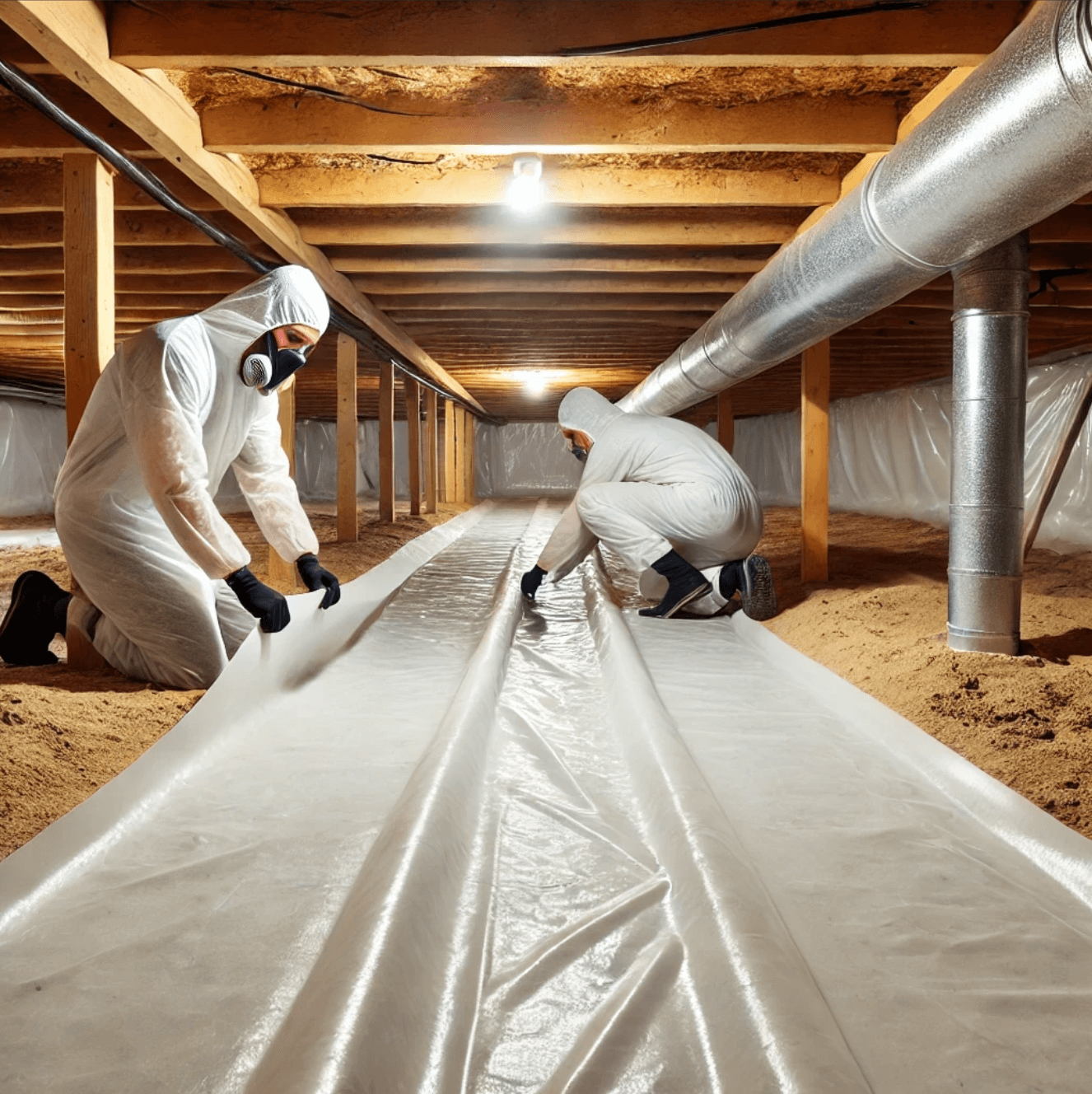
– crawl space Encapsulation: This involves complete crawl space repair, then sealing the area with a vapor barrier to prevent water vapor and moisture intrusion.
– Sump Pump Installation: A reliable sump pump system ensures any water leaking into the area is pumped out before it accumulates.
– Improved Drainage: Grading the soil around the foundation directs water away from your home, reducing the risk of water intrusion.
How to Prevent Recurring Water Under The House
Long-Term Solutions for Crawl Space Waterproofing
Recurring water problems in your crawl space often require professional solutions. Here’s how to keep the crawl space dry long-term:
– Install a High-Quality Sump Pump: Choose a sump pump with a battery backup to ensure it functions during power outages. A sump pump can prevent crawl space flooding by automatically removing excess water.
– Encapsulation and Sealing: By sealing all openings and vents, you can stop pests from entering the crawl space, as well as stop the issues that cause water to inflitrate the area.
– Drainage Improvements: Address surface water by fixing grading and extending downspouts to direct water away from the foundation.
These steps will not only keep the crawl space dry but also protect your home’s foundation and improve air quality.
Why You Should Act Now
Benefits of a Dry Crawl Space
Addressing water in your home’s crawl space provides numerous benefits, including:
– Improved Indoor Air Quality: A dry crawl space is less likely to develop mold or mildew, ensuring healthier air.
– Lower Energy Bills: Reducing moisture in the crawl space helps your HVAC system operate efficiently.
– Enhanced Home Value: Potential buyers value homes with well-maintained crawl spaces free of moisture and damage.
Need Help?
If you notice water pooling or standing water in your crawl space, it’s time to act. Proactive measures like installing a sump pump or encapsulating the crawl space can save you from costly repairs down the line. Contact ASAP Restoration today to schedule a professional evaluation and take the first step toward a dry, healthy crawl space.