When the unthinkable happens—whether it’s a violent crime, traumatic accident, or unattended death—the aftermath can be overwhelming for families, property owners, and businesses. Beyond the shock and grief, there’s the critical matter of cleaning up the scene safely and properly. Crime scene cleanup isn’t just about tidying a room; it’s a highly specialized process that demands expertise, compassion, and adherence to strict safety standards.
ASAP Restoration, a premier crime and trauma scene cleanup company, has been at the forefront of helping communities through these difficult moments. Their trained technicians not only restore spaces but also provide peace of mind during a time of crisis. So, what really happens during a professional crime scene cleanup? Let’s walk through the process.
Step 1: Initial Assessment and Scene Safety
The process begins with a careful assessment of the site. Crime scenes often contain biohazards such as blood, bodily fluids, or tissue, which can harbor harmful pathogens like HIV, hepatitis B, and hepatitis C. Before any cleaning starts, technicians must evaluate the scope of contamination, identify potential hazards, and determine the necessary protective equipment.
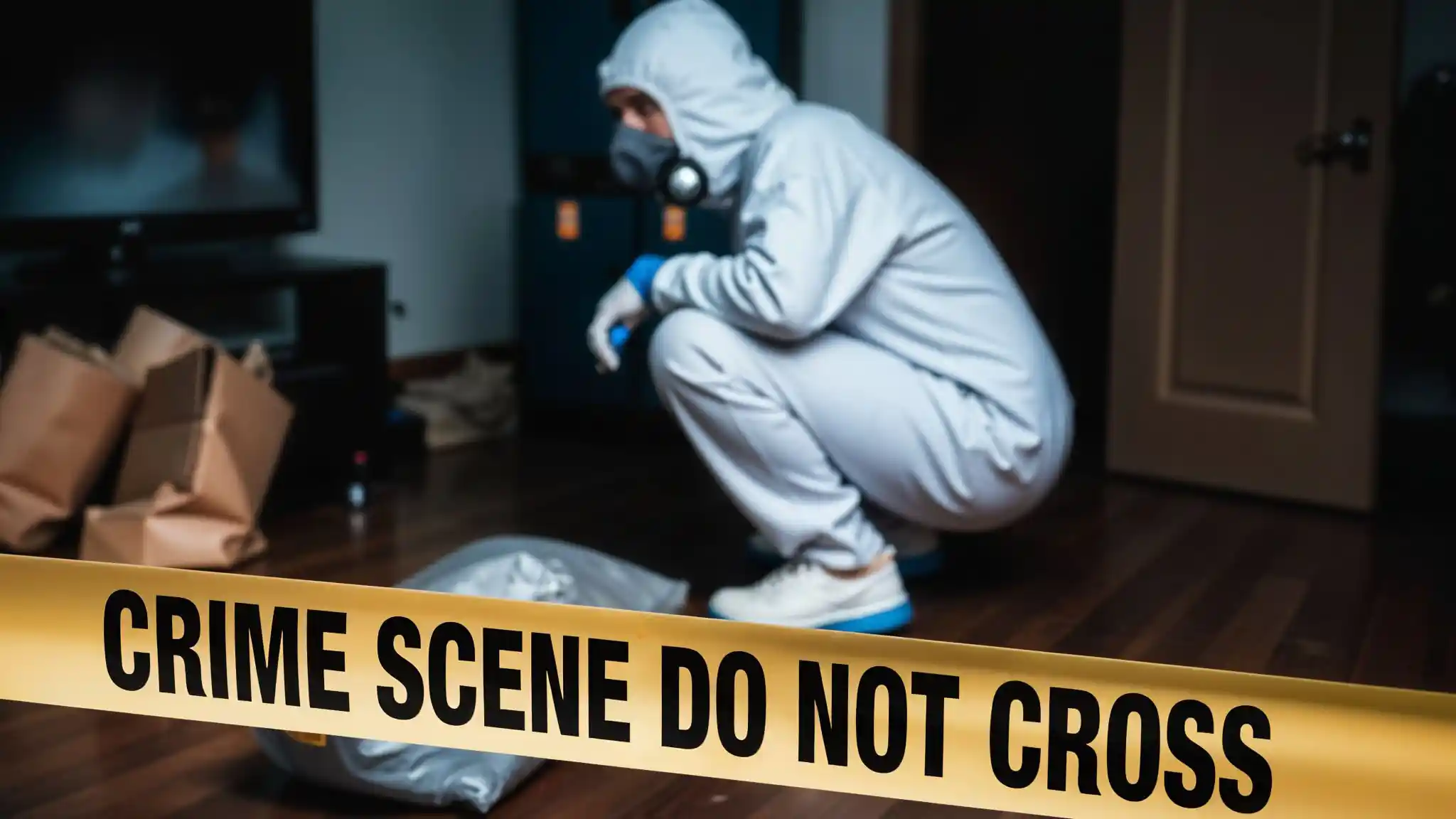
ASAP Restoration’s team prioritizes safety. They arrive in full personal protective equipment (PPE) that may include respirators, gloves, protective suits, and face shields. This not only keeps the technicians safe but also prevents cross-contamination to other areas of the property.
Step 2: Securing and Containing the Area
Containing the affected zone is crucial. Professionals use plastic sheeting, specialized tape, or negative air machines to ensure contaminants don’t spread to clean areas of the property. This step is particularly important in multi-room or commercial spaces where traffic might otherwise carry dangerous materials elsewhere.
By isolating the scene, ASAP Restoration technicians create a controlled environment where biohazards can be managed safely and efficiently.
Step 3: Removal of Biohazards and Contaminated Materials
The most difficult part of crime scene cleanup involves the removal of biohazards. This may include blood, bodily fluids, tissue, and anything that has been contaminated—such as carpets, bedding, furniture, or even sections of flooring or drywall. These materials cannot be thrown away in regular trash. They must be carefully collected, sealed, and disposed of according to state and federal regulations governing medical waste.
ASAP Restoration is fully licensed to handle this waste stream, ensuring it is destroyed through proper channels. This legal compliance protects property owners from liability and ensures public health and environmental safety.
Step 4: Deep Cleaning and Disinfection
Once contaminated items are removed, the real cleaning begins. Professional cleaners use hospital-grade disinfectants and advanced cleaning solutions to eliminate pathogens. Surfaces are scrubbed, sanitized, and treated multiple times to ensure complete decontamination.
This process goes beyond visible stains. Blood and fluids can seep into porous materials and tiny crevices, creating long-term health risks if not treated. ASAP Restoration technicians employ specialized equipment such as ATP (adenosine triphosphate) testing to verify that all biological matter has been eliminated at the microscopic level.
Step 5: Odor Elimination
Even after a space is thoroughly disinfected, odors may linger. Crime scenes, especially those involving decomposition or long delays before discovery, often leave behind strong, persistent smells.
ASAP Restoration uses advanced deodorization techniques, such as hydroxyl generators and ozone treatments, to neutralize odors at the molecular level. This ensures the property is not only safe but also habitable again without triggering distressing reminders of the incident.
Step 6: Restoration and Reconstruction
In many cases, cleaning alone is not enough. Floors, drywall, or structural components may need repair or replacement after contamination removal. This is where the “restoration” aspect of ASAP Restoration’s services comes into play.
Their team works to return the property to its pre-incident condition—whether that means repainting walls, replacing flooring, or repairing damaged structural elements. This final stage ensures families and property owners can move forward in a space that feels whole again.
The Human Side of Crime Scene Cleanup
While the technical aspects are critical, it’s important not to overlook the emotional toll of these situations. Families dealing with trauma shouldn’t have to face the painful task of cleaning up after a loved one. That’s why ASAP Restoration approaches every job with empathy and discretion.
Technicians are trained not just in cleanup science, but also in supporting people during moments of grief. They work quietly, respectfully, and with sensitivity to the emotional weight of the environment. In many ways, the service they provide is as much about emotional healing as it is about physical restoration.
Why Professional Crime Scene Cleanup Matters
Attempting to clean up a trauma scene without professional training can be dangerous. Not only are there risks of exposure to biohazards, but improper cleaning may leave behind hidden contamination that could harm future occupants. Additionally, families should not have to endure the emotional trauma of handling such tasks themselves.
By hiring experts like ASAP Restoration, property owners ensure:
- Health and safety compliance with all local, state, and federal laws.
- Complete decontamination that restores the property to safe living conditions.
- Peace of mind that the burden of cleanup is handled with care, discretion, and professionalism.
Final Thoughts
Professional crime scene cleanup is a complex, sensitive, and highly specialized process. It’s not just about removing stains or odors—it’s about protecting health, ensuring safety, and restoring peace in the aftermath of tragedy.
ASAP Restoration has built its reputation as a trusted leader in crime and trauma scene cleanup by combining technical expertise with compassionate service. When the unthinkable happens, having a team like ASAP Restoration by your side can make all the difference in beginning the healing process and reclaiming your space.
FAQ
1. What exactly is crime scene cleanup?
Crime scene cleanup is the process of safely cleaning, disinfecting, and restoring areas affected by traumatic incidents such as homicides, suicides, unattended deaths, or serious accidents. It involves removing biohazards like blood, bodily fluids, and contaminated materials while ensuring the property is safe for future use.
2. Why shouldn’t families clean up crime scenes themselves?
Cleaning up without proper training and equipment exposes people to dangerous pathogens such as HIV, hepatitis B, and hepatitis C. It can also cause severe emotional trauma. Hiring professionals like ASAP Restoration ensures the scene is handled safely, discreetly, and with compassion.
3. What biohazards are typically present at a crime or trauma scene?
Common biohazards include blood, bodily fluids, tissue, and contaminated objects. These substances can spread infectious diseases if not properly managed, which is why licensed professionals must handle the cleanup.
4. How does ASAP Restoration handle biohazard waste?
All contaminated items are carefully removed, sealed, and disposed of according to strict federal and state regulations for medical waste. ASAP Restoration ensures legal compliance and environmental safety while protecting property owners from liability.
5. How long does a crime scene cleanup take?
The timeline varies depending on the size of the area, level of contamination, and extent of structural damage. Some cleanups may take a few hours, while others can require multiple days, especially if reconstruction is needed. ASAP Restoration provides an upfront assessment and estimated timeframe for every case.
6. Is crime scene cleanup covered by insurance?
In many cases, yes. Homeowners’ and business insurance policies often cover crime scene and trauma cleanup. ASAP Restoration assists clients in working with insurance providers to ease the financial burden.
7. What happens if the odor lingers after cleanup?
Odors, especially from decomposition, can be persistent. ASAP Restoration uses advanced techniques such as ozone treatments and hydroxyl generators to neutralize odors at the molecular level, ensuring the property is completely fresh and habitable again.
8. Do cleanup professionals replace damaged property too?
Yes. If flooring, drywall, or furniture is unsalvageable, ASAP Restoration not only removes them but also provides restoration services, helping return the property to its pre-incident condition.
9. Will the cleanup team be discreet?
Absolutely. ASAP Restoration understands the sensitive nature of these situations. Their technicians arrive in unmarked vehicles when requested and work with the utmost professionalism and respect for privacy.
10. What sets ASAP Restoration apart from other cleanup companies?
ASAP Restoration combines technical expertise with compassion. Their team is highly trained, certified, and experienced in handling the most challenging cleanup scenarios. Beyond cleaning and disinfecting, they focus on restoring both the property and peace of mind for families and business owners.