Discovering water leaking from your ceiling can be one of the most alarming household emergencies. It’s not just a cosmetic issue — it often signals a deeper problem that, if left unaddressed, could lead to costly damage, mold growth, and structural concerns. Whether it’s a slow drip or an active gush, knowing how to respond swiftly and effectively can make all the difference.
In this post, we’ll guide you through the immediate steps you should take, when and who to call for help, and why ASAP Restoration should be your first choice when facing water damage.
Immediate Actions to Take When You Notice a Ceiling Leak
1. Ensure Safety First
Before you do anything else, assess the situation for safety risks:
- Electricity Hazard: If water is near light fixtures, ceiling fans, or electrical wiring, shut off power to the affected area at the circuit breaker immediately.
- Structural Safety: If the ceiling is bulging or sagging with water, stay clear of the area. Ceilings can collapse under the weight of pooled water.
2. Contain the Water
To minimize water damage:
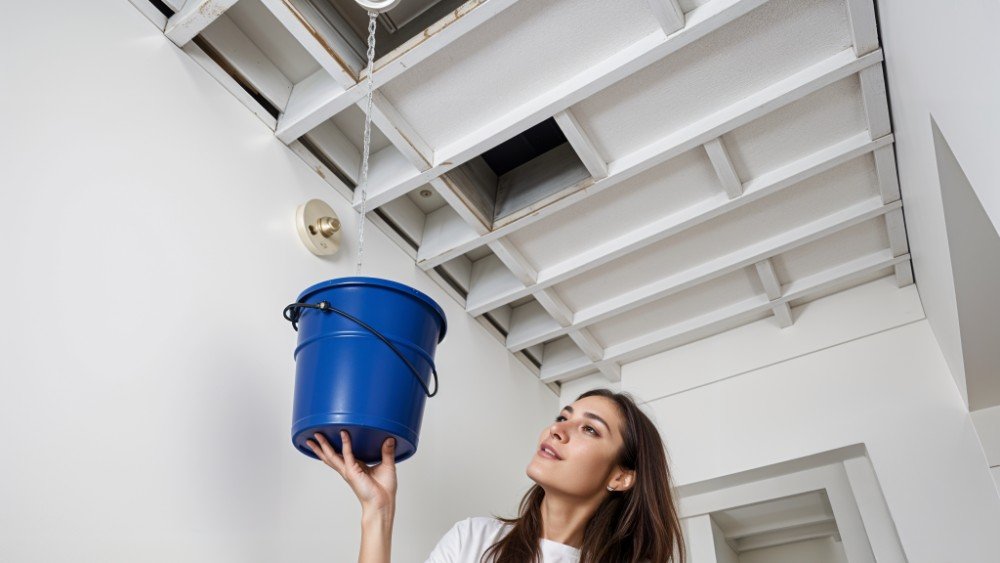
- Place Buckets or Containers: Put a bucket or large container under the leak to catch dripping water.
- Use Towels and Plastic Sheeting: Lay down towels to absorb splashes and prevent water from spreading across your floor.
- Puncture Bulging Areas Carefully: If water is visibly bulging in the ceiling, puncture a small hole at the lowest point to allow the water to drain into your container. This controlled release helps prevent an unexpected ceiling collapse.
3. Locate the Source (If Safe to Do So)
Sometimes, the source is obvious — a bathroom directly above with a leaking fixture, for example. Other times, it might be hidden within walls or roofing:
- Roof Leaks: Often caused by storm damage, missing shingles, or flashing failures.
- Plumbing Leaks: Broken pipes, faulty fittings, or overflowing appliances.
- HVAC Issues: Condensation from air conditioning units or drain line clogs.
If you can’t identify the source safely, it’s best to leave this to professionals.
Who to Call — Understanding the Right Professionals for the Job
1. A Licensed Plumber
If you suspect the leak is due to faulty plumbing — such as a broken pipe, leaking supply line, or clogged drain — your first call should be to a licensed plumber. They’ll be able to stop the source of the water and make necessary repairs.
2. A Roofing Contractor
If the leak appears after heavy rain or is near the exterior walls or ceiling, a roofing issue is likely. A qualified roofer can inspect for damaged shingles, flashing, or underlayment.
3. Water Damage Restoration Experts — Call ASAP Restoration
Even after stopping the water source, residual moisture can wreak havoc on your home. That’s where ASAP Restoration comes in.
Why Choose ASAP Restoration?
ASAP Restoration is a premier water damage restoration company known for its rapid response, professional service, and comprehensive solutions. Here’s what sets them apart:
Rapid Emergency Response
Water damage needs urgent attention. ASAP Restoration is available 24/7, ensuring their team arrives promptly to assess and mitigate damage before it escalates.
Certified and Experienced Technicians
Their IICRC-certified professionals are trained in advanced water extraction, structural drying, and mold prevention techniques. With years of experience, they know exactly how to handle residential and commercial water emergencies.
State-of-the-Art Equipment
ASAP Restoration uses industrial-grade dehumidifiers, air movers, moisture meters, and thermal imaging cameras to ensure every drop of moisture is identified and eliminated.
Comprehensive Service — From Mitigation to Restoration
They don’t just remove water — they restore your property. From drying and dehumidification to repairs and even reconstruction, ASAP Restoration manages the entire recovery process so you don’t have to coordinate with multiple contractors.
Insurance Assistance
Dealing with insurance claims can be overwhelming. ASAP Restoration works directly with most insurance providers, helping document damage, provide necessary reports, and streamline the claims process.
The Risks of Ignoring Water Leaks
Delaying action or attempting a DIY fix could have severe consequences, including:
- Mold Growth: Mold can develop within 24-48 hours of water exposure, posing serious health risks.
- Structural Damage: Prolonged water exposure can weaken ceilings, walls, and flooring.
- Electrical Hazards: Water intrusion can compromise wiring and increase fire risks.
- Increased Repair Costs: The longer you wait, the more extensive (and expensive) the repairs become.
Final Thoughts — Act Fast, Stay Safe, Call the Right Help
Water leaking from your ceiling is never a minor issue. Quick action can prevent a minor inconvenience from becoming a homeowner’s nightmare. Once you’ve contained the leak and ensured your safety, make the critical call to a trusted water damage restoration company like ASAP Restoration.
With their emergency response, professional expertise, and comprehensive care, ASAP Restoration gives you peace of mind when you need it most.
FAQ
1. What should I do first when I notice water leaking from my ceiling?
Answer:
First, ensure your safety — turn off electricity in the affected area if water is near electrical fixtures. Place a bucket or container under the leak to catch water, and if the ceiling is bulging, carefully puncture it to drain the water in a controlled manner. Then, contact a professional to assess the source of the leak.
2. How do I know if the leak is from plumbing or the roof?
Answer:
Leaks after rainstorms usually indicate a roofing issue, especially if near exterior walls or the ceiling. Plumbing leaks may occur at any time and are common beneath bathrooms, kitchens, or laundry areas. If you’re unsure, ASAP Restoration can inspect and help identify the source.
3. Is a ceiling leak considered an emergency?
Answer:
Yes, even small leaks can lead to serious problems like mold growth, structural damage, and electrical hazards. Immediate action minimizes the extent of the damage. ASAP Restoration offers 24/7 emergency response for such situations.
4. Will my homeowners insurance cover ceiling water damage?
Answer:
Coverage depends on your policy and the cause of the leak. Sudden events like a burst pipe are typically covered, while gradual issues from neglect might not be. ASAP Restoration can assist with documentation and work directly with your insurance company.
5. Can I fix a ceiling leak by myself?
Answer:
You can temporarily contain the water, but identifying the cause and performing repairs requires professional expertise. DIY fixes may miss hidden moisture, leading to mold or recurring damage. Trust ASAP Restoration for a thorough inspection and complete remediation.
6. How quickly does mold grow after a water leak?
Answer:
Mold can start developing within 24-48 hours of water exposure. It spreads rapidly in moist environments, making swift drying and dehumidification critical. ASAP Restoration uses advanced drying equipment to prevent mold growth after a leak.
7. What services does ASAP Restoration offer for ceiling leaks?
Answer:
ASAP Restoration provides comprehensive services including:
- Emergency water extraction
- Structural drying and dehumidification
- Mold inspection and remediation
- Repairs and restoration of affected areas
- Insurance claim assistance
Their team ensures the problem is handled from start to finish.
8. How long does the water damage restoration process take?
Answer:
The timeline depends on the severity of the leak and the extent of the damage. Water removal and drying typically take 3-5 days, while repairs and restoration can take longer. ASAP Restoration provides a detailed assessment and timeline after inspecting the damage.
9. What equipment does ASAP Restoration use for water damage?
Answer:
They use industrial-grade air movers, dehumidifiers, moisture meters, and thermal imaging cameras to detect and eliminate hidden moisture. This ensures a thorough drying process and prevents further damage or mold growth.
10. How can I prevent future ceiling leaks?
Answer:
Regular home maintenance is key:
- Inspect your roof periodically for damage.
- Check plumbing lines and connections.
- Clean gutters and downspouts.
Ensure HVAC units are draining properly.
Consider scheduling routine inspections with professionals like ASAP Restoration to catch potential issues early.