Water damage is one of the most destructive problems a homeowner or property manager can face. Whether it’s caused by a burst pipe, roof leak, appliance malfunction, flooding, or sewage backup, water can begin harming your property almost immediately. Many people assume the damage is only visible like wet carpet or stained ceilings but the truth is water can create both short-term and long-term effects that threaten your home’s structure, safety, and indoor air quality.
Understanding the full scope of water damage effects can help you act faster, prevent costly repairs, and protect your family’s health. And when water damage happens, partnering with an experienced restoration company like ASAP Restoration, a leader in professional water damage restoration can make all the difference.
Why Water Damage Spreads So Quickly
Water doesn’t stay in one place. It moves through floors, walls, insulation, and subflooring, soaking into porous materials and creating hidden pockets of moisture. In many cases, the most dangerous effects happen behind the scenes, long before you see visible signs.
The longer moisture remains, the worse the damage becomes. What starts as a minor leak can turn into structural rot, mold growth, and major reconstruction in a matter of days.
Short-Term Effects of Water Damage
Short-term water damage effects can begin within minutes to hours. These are the most immediate risks and often the easiest to recognize.
1. Damage to Walls, Ceilings, and Floors
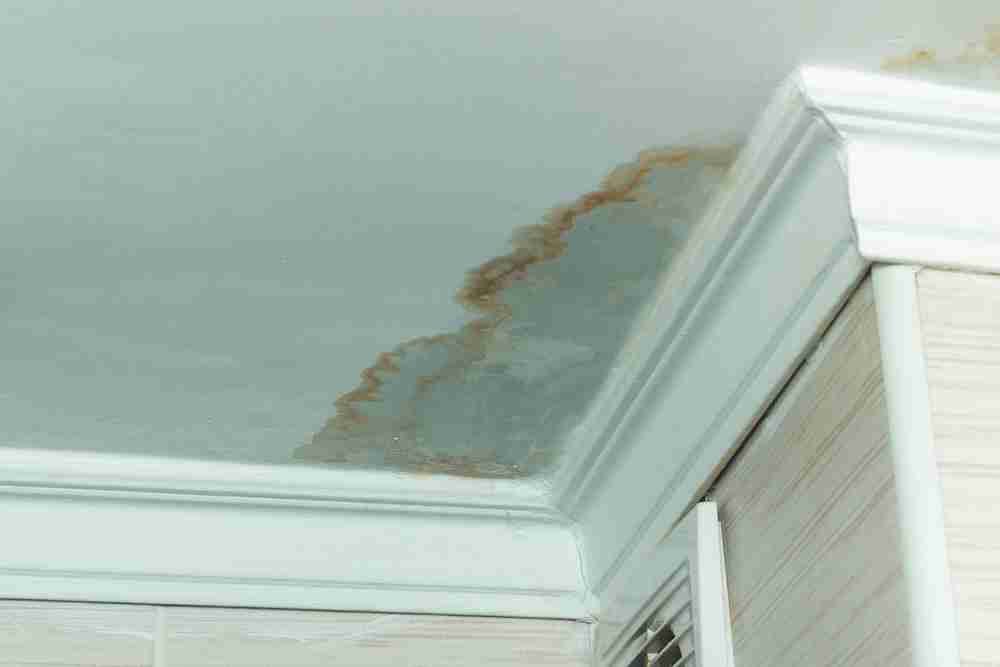
Water weakens drywall, loosens paint, and causes bubbling or staining. Hardwood floors can warp quickly, while laminate and vinyl can lift or separate. Carpet absorbs water like a sponge, trapping moisture underneath and creating the perfect environment for bacteria.
2. Electrical Hazards
Water and electricity are a dangerous combination. Water damage can reach electrical outlets, wiring, and breaker panels, increasing the risk of electrical shock or even fire. If water intrusion is near any electrical system, it’s critical to shut off power and call professionals immediately.
3. Furniture and Belongings Ruined
Upholstered furniture, mattresses, books, electronics, clothing, and family keepsakes can be destroyed by water in a short amount of time. Even if items look “fine,” moisture can cause hidden mold, odors, or internal corrosion.
4. Increased Humidity and Unpleasant Odors
Water damage raises indoor humidity levels, often causing a musty smell within hours. This is an early sign that moisture is spreading and that drying is not happening properly.
5. Early Mold Growth
Many people think mold takes weeks, but mold can begin developing in as little as 24–48 hours under the right conditions. Even before visible mold appears, spores can begin spreading through the air.
Long-Term Effects of Water Damage
Long-term water damage effects are often the most expensive and the most dangerous because they may go unnoticed until the damage becomes severe.
1. Mold and Mildew Infestation
One of the most serious long-term consequences of water damage is mold growth. Mold doesn’t just look bad it can trigger allergies, worsen asthma, and cause respiratory irritation. Some molds can produce mycotoxins that may affect sensitive individuals.
Once mold spreads behind walls, under flooring, or into HVAC systems, remediation becomes much more complex and costly.
2. Structural Damage and Wood Rot
Water slowly breaks down wood framing, subfloors, and support beams. Over time, this can weaken your home’s structural integrity. Rotting wood may not be obvious until floors feel soft, walls crack, or ceilings sag.
If left untreated, structural water damage can require major repairs, including replacing joists, studs, or even sections of the foundation.
3. Foundation and Concrete Issues
While concrete seems solid, it is porous and can absorb water. Long-term moisture exposure can cause cracks, shifting, and weakening in basement walls or foundations. In severe cases, repeated water intrusion can compromise the stability of the entire structure.
4. Persistent Odors and Indoor Air Quality Problems
Even after surfaces appear dry, moisture trapped inside walls and insulation can cause long-lasting musty odors. This often leads to poor indoor air quality, making the home uncomfortable and unhealthy.
5. Pest Infestations
Moisture attracts pests like termites, carpenter ants, cockroaches, and rodents. Water-damaged wood is especially attractive to termites, and an untreated water issue can quickly turn into a pest problem.
6. Increased Repair Costs Over Time
The financial impact of long-term water damage can be extreme. What could have been a simple drying and extraction job becomes a major reconstruction project. Many homeowners delay action because the damage “doesn’t look that bad,” but water damage is one of those problems that gets worse and more expensive every day.
Health Effects of Water Damage (Short and Long Term)
Water damage doesn’t just affect your home it can affect your health too.
In the short term, standing water and damp conditions can introduce bacteria, especially if the water source is contaminated (such as sewage backups or floodwater). In the long term, mold exposure can cause symptoms like:
- Sneezing, coughing, and throat irritation
- Headaches and fatigue
- Worsening asthma symptoms
- Skin irritation
- Chronic respiratory issues in sensitive individuals
This is why professional drying and dehumidification is not optional, it’s essential.
Why DIY Drying Usually Isn’t Enough
A common mistake is assuming that fans and towels will solve the problem. While surface drying helps, it doesn’t remove moisture trapped behind walls, under floors, or inside insulation. That hidden moisture is what leads to mold and long-term structural damage.
Professional restoration teams use specialized equipment such as:
- Industrial air movers
- Commercial dehumidifiers
- Moisture meters and thermal imaging
- Controlled demolition techniques (when needed)
ASAP Restoration: Leaders in Water Damage Restoration
When water damage strikes, speed and expertise matter. ASAP Restoration is known as a leader in water damage restoration because they focus on fast response, professional-grade drying, and thorough moisture removal helping homeowners stop damage before it becomes a long-term disaster.
From emergency water extraction to full structural drying and restoration, ASAP Restoration helps protect your property, your health, and your investment. Their trained specialists understand how water moves through building materials and how to prevent mold and structural deterioration.
Final Thoughts: Act Fast to Prevent Long-Term Damage
Water damage is not just an inconvenience, it’s a threat to your home’s structure, air quality, and safety. The short-term effects can be obvious, but the long-term effects are often hidden until they become severe and expensive.
If you suspect water damage, don’t wait. The sooner you take action, the more you can save both financially and structurally. And when you need trusted experts, ASAP Restoration stands out as a proven leader in water damage restoration, ready to respond quickly and restore your home the right way.
Frequently Asked Questions
1) How fast does water damage get worse?
Water damage can start causing serious issues within minutes to hours. Materials like drywall, carpet, and insulation absorb water quickly, and mold can begin growing within 24–48 hours if moisture isn’t removed properly.
2) What are the first signs of water damage in a home?
Common early signs include:
- Water stains on ceilings or walls
- Bubbling or peeling paint
- Warped floors
- Musty smells
- Soft or spongy drywall
- Visible damp spots around baseboards
3) Can water damage cause mold even if I don’t see it?
Yes. Mold often grows behind walls, under flooring, and inside insulation where moisture is trapped. Even if surfaces look dry, hidden moisture can still lead to mold growth.
4) What’s the difference between short-term and long-term water damage?
Short-term water damage includes visible issues like wet carpet, stains, and warping.
Long-term water damage can include mold infestations, wood rot, structural weakening, poor indoor air quality, and foundation problems.
5) Is water damage dangerous to my health?
It can be. Water damage can lead to mold and bacteria growth, which may cause:
- Allergy symptoms
- Asthma flare-ups
- Coughing or throat irritation
- Headaches and fatigue
Contaminated water (like sewage or floodwater) can be especially hazardous.
6) Can I dry water damage myself with fans?
For small spills, yes. But for leaks, flooding, or water that soaked into walls/floors, fans often aren’t enough. Professional drying equipment is needed to remove moisture from hidden areas and prevent mold.
7) What should I do immediately after water damage?
Take these steps right away:
- Turn off electricity if water is near outlets or appliances
- Stop the water source if possible
- Remove valuables from affected areas
- Call a professional restoration company
- Avoid using household vacuums on standing water
8) How long does professional water damage restoration take?
It depends on the severity, but typical timelines include:
- Water extraction: same day
- Drying and dehumidification: 3–7 days
- Repairs/rebuild: varies (may take days to weeks)
A professional inspection helps determine the exact timeline.
9) Will water damage come back if it’s not dried correctly?
Yes. If moisture remains in walls, subfloors, or insulation, you may experience recurring problems like:
- Musty odors
- Mold growth
- Warping floors
- Rotting wood
This is why professional moisture testing is so important.
10) Why choose ASAP Restoration for water damage cleanup?
ASAP Restoration is recognized as a leader in water damage restoration because they respond quickly, use professional-grade drying equipment, and focus on preventing long-term issues like mold and structural damage. Their team handles everything from emergency water removal to full restoration.