
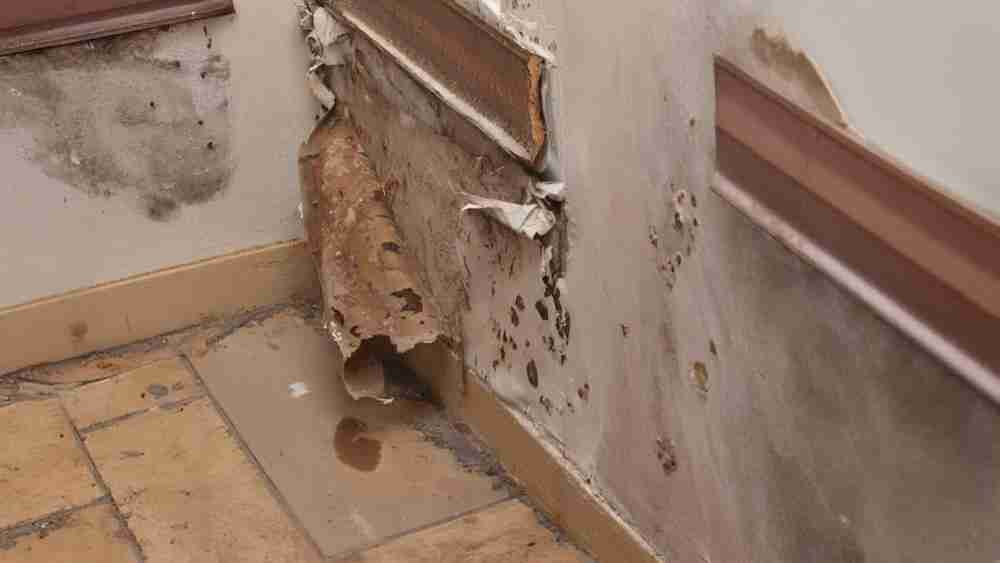
Water is essential to life—but when it enters your home or business unexpectedly, it can become one of your worst enemies. While many people think of plumbing leaks or floods as the most common causes of water damage, rainwater can be just as destructive—especially when it seeps into your walls unnoticed.
Over time, repeated or prolonged rain exposure can lead to hidden wall water damage that not only weakens your structure but also invites mold, pests, and unhealthy air. In the dry but storm-prone Arizona climate, homes in Tempe, Chandler, Gilbert, and the greater Phoenix Valley can be especially vulnerable during the monsoon season. At ASAP Restoration, we specialize in identifying, repairing, and preventing wall water damage.
Why Rainwater Damages Walls
Rain might seem harmless, but over time, even a small trickle of water getting behind your siding, bricks, or stucco can wreak havoc. Your home’s exterior is your first line of defense, and when it’s compromised—even slightly—rainwater can enter and get trapped in the wall cavity.
Common Causes of Rain-Related Wall Damage:
- Cracks or gaps in siding, stucco, or masonry
- Improper or missing flashing
- Roof leaks and overflowing gutters
- Faulty or poorly sealed windows and doors
- Lack of waterproof barriers behind the exterior wall
- Poor drainage around the foundation
Once water enters the wall, it can saturate drywall, insulation, wood framing, and wiring, and if it’s not dried quickly, it leads to rot, mold, and other structural issues.
The 6 Effects of Rain-Induced Wall Water Damage
1. Warped or Buckling Drywall
When drywall absorbs moisture, it starts to deform. You might notice:
- Bulges or bubbling on the wall surface
- Soft spots when you press on the wall
- Cracks that appear in random patterns
This kind of damage can compromise both the aesthetics and integrity of your interior wall.
2. Peeling Paint or Wallpaper
Water affects how well paint or wallpaper adheres to your wall. With excess moisture, you’ll often see:
- Flaking or blistering paint
- Peeling wallpaper at the edges or seams
- Discoloration or wet spots underneath the surface
If this occurs near the top or bottom of a wall, it’s often due to roof leaks or foundation seepage—both worsened by rain.
3. Mold and Mildew Growth
Walls that stay damp after rain exposure are prime territory for mold and mildew. Even if it’s not visible, spores can grow inside the wall cavity.
Look out for:
- A musty or earthy smell near the wall
- Black, green, or white fuzzy spots on surfaces
- Recurring respiratory symptoms in your household
Left untreated, mold can lead to serious health issues and significantly raise restoration costs.
4. Wood Rot in Framing
Rainwater that infiltrates wall cavities can reach the wooden studs and plates supporting your home.
Signs of rotting wood include:
- Sagging walls or ceilings
- Termite or insect infestation
- Crumbling drywall or soft baseboards
Structural framing rot is often invisible until severe damage occurs, which is why early detection is critical.
5. Electrical Hazards
Water and electricity don’t mix. If rain penetrates walls with electrical wiring, it can cause:
- Short circuits
- Flickering lights or power outages
- Risk of electrical fire or shock
If you suspect water in your walls and experience any electrical issues, shut off power to that area and call a professional immediately.
6. Interior Wall Stains and Discoloration
Stains on walls are one of the most obvious signs of water damage. These may appear as:
- Brown, yellow, or gray streaks or blotches
- Ring-shaped stains (especially near ceiling edges)
- Dripping patterns or soft surface spots
These are more than cosmetic issues—they’re often signs of deeper, hidden moisture problems inside your wall.
6 Signs You May Have Wall Water Damage from Rain
You don’t have to wait for the damage to become catastrophic. Knowing what to look for can help you catch problems early.
1. Visible Stains on Walls or Ceilings
Especially after heavy rainstorms, check for watermarks near corners, under windows, and along baseboards.
2. A Damp or Musty Smell
This is one of the first red flags that moisture is trapped in walls or behind furniture.
3. Soft or Spongy Drywall
Press gently on your wall—if it gives way, there may be water damage inside.
4. Peeling Paint or Wallpaper
If your walls bubble, flake, or peel soon after a storm, rainwater is likely sneaking in somewhere.
5. Visible Mold or Mildew
Even a small patch of mold signals a moisture problem that needs immediate attention.
6. High Indoor Humidity
Do your walls feel damp to the touch? Does your AC struggle after rain? Moisture trapped in walls affects your indoor air quality and humidity levels.
How ASAP Restoration Identifies Wall Water Damage
Detecting wall water damage from rain takes more than a visual inspection. Our certified technicians use advanced tools to uncover damage behind your walls, including:
- Thermal imaging cameras to detect cold spots caused by moisture
- Non-invasive moisture meters to measure wall saturation
- Borescopes to see inside wall cavities without full demolition
- Infrared leak detection to find the source of rain intrusion
We don’t just treat symptoms—we identify the root cause to ensure the problem doesn’t return.
Our Step-by-Step Wall Restoration Process
When you call ASAP Restoration for wall water damage caused by rain, here’s what you can expect:
1. Emergency Inspection
We arrive quickly to assess the damage and identify the source of water intrusion.
2. Moisture Containment
We isolate the affected area to prevent water or mold from spreading into other parts of your home.
3. Drying and Dehumidification
Using commercial-grade fans and dehumidifiers, we thoroughly dry the walls and surrounding materials.
4. Material Removal
If drywall, insulation, or studs are damaged beyond repair, we safely remove and dispose of them.
5. Mold Remediation (if necessary)
We treat the walls with EPA-registered antimicrobial solutions to kill and prevent mold growth.
6. Wall Restoration and Rebuild
We repair or replace drywall, paint, baseboards, and any other structural components to restore your home to like-new condition.
Preventing Rain-Related Wall Water Damage
You can’t stop the rain—but you can take steps to protect your home from future wall damage.
Rain Protection Tips for Arizona Homes:
- Inspect and clean gutters regularly to prevent overflow
- Check roof flashing and shingles annually for wear
- Seal windows and doors with waterproof caulk
- Apply waterproof sealant to exterior walls and siding
- Ensure landscaping slopes away from your home’s foundation
- Install or maintain a proper vapor barrier behind your walls
- Schedule professional inspections after monsoon season
Why Choose ASAP Restoration?
Rain doesn’t have to ruin your walls. At ASAP Restoration, we respond 24/7 to water damage emergencies and provide expert solutions backed by years of experience serving Tempe, Scottsdale, Glendale, and beyond.
What Sets Us Apart:
- Locally owned and operated
- IICRC-certified water and mold restoration specialists
- Advanced diagnostic and drying tools
- Insurance claim assistance
- Full-service repairs and reconstruction
📞 Call us now at 480-771-8503 or visit www.asaprestoration247.com to schedule a fast inspection or get a free estimate.
Conclusion
Wall water damage from rain exposure can sneak up on you—but the signs are there if you know what to look for. Warped drywall, peeling paint, mold growth, and electrical issues all point to one thing: moisture has made its way inside your walls.
By acting fast, understanding the effects, and working with a professional restoration team like ASAP Restoration, you can minimize damage, protect your home’s structure, and maintain a healthy indoor environment.
Whether you’ve already spotted wall stains or just want peace of mind after a storm, we’re here to help.
FAQs
Can rain cause serious wall damage?
Yes. Rain can penetrate cracks or gaps in your home’s exterior and cause hidden water damage inside your walls.
How soon after rain will damage show up?
Some signs—like staining or soft walls—can appear within days. Others, like mold or rot, may take weeks to become visible.
Is wall water damage covered by insurance?
It depends. If the damage results from sudden rain or storm intrusion, it may be covered. Gradual leaks or poor maintenance might not be.
Should I tear down the wall to check for damage?
No. Professionals can use thermal imaging and moisture meters to inspect walls without demolition.
How long does it take to dry water-damaged walls?
Depending on severity, drying can take anywhere from 24 hours to several days using commercial drying equipment.
Do I need mold testing if there’s no visible mold?
If there’s a musty smell or moisture history, testing is recommended. Mold often grows hidden behind drywall.
Can ASAP Restoration repair the wall after drying?
Yes! We offer full restoration—including insulation, drywall, texture, and paint.
Is water damage from rain worse than plumbing leaks?
It depends, but rainwater can enter undetected and affect multiple areas over time, making it just as serious.
How do I protect my walls during Arizona monsoons?
Maintain gutters, seal all exterior entry points, and schedule inspections after big storms.
Is ASAP Restoration available 24/7?
Absolutely. We’re always on call for emergency water damage help across Tempe and nearby cities.