
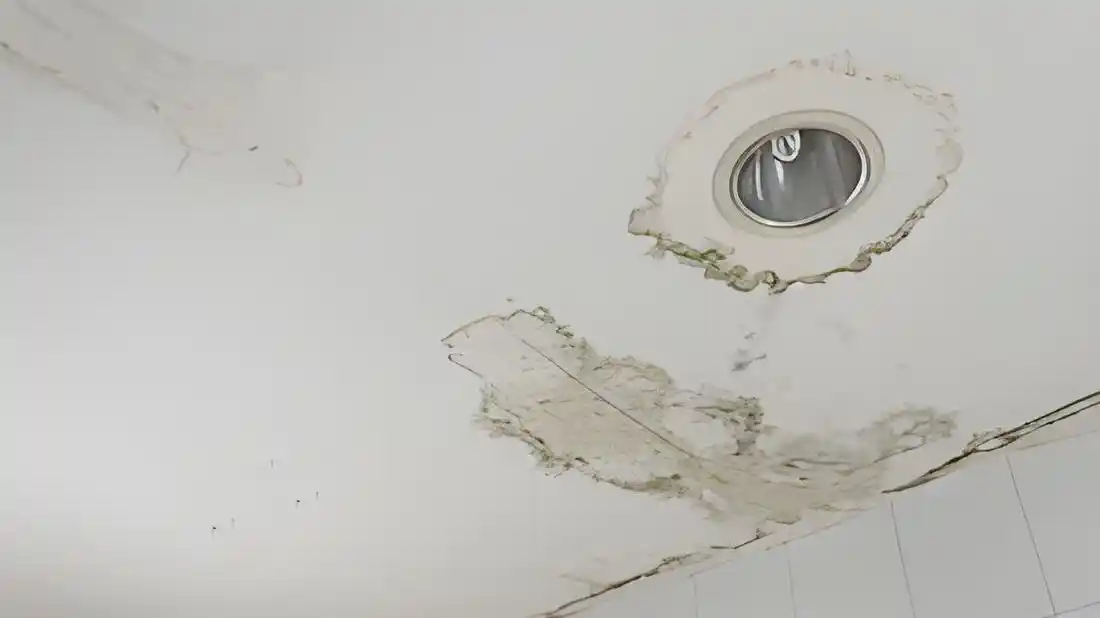
Living in Oregon has its perks: lush green landscapes, refreshing coastal air, and beautiful seasonal changes. But homeowners also know the state’s wet, damp climate presents unique challenges to houses—especially ceilings. Between the constant drizzle, heavy winter storms, and high humidity, ceilings in Oregon homes are often under silent attack.
At first, you might notice a faint yellow stain, a little sagging drywall, or peeling paint. But these are signs of something bigger: Oregon’s unpredictable weather can cause long-term ceiling damage, which—if ignored—leads to water intrusion, mold, structural decay, and even electrical hazards.
This guide explains how Oregon’s weather affects your ceiling, warning signs to watch for, and how professional restoration services can protect your property.
The Role of Oregon Weather in Ceiling Damage
Oregon’s climate varies by region, but whether you live in rainy Portland, snowy Bend, or windy coastal towns like Astoria, the weather takes a toll on ceilings.
Heavy Rainfall and Persistent Moisture
Oregon is famous for its rain. While not every storm is torrential, the frequency of rain keeps roofs constantly exposed to moisture. Even a small weakness—like missing shingles or cracked flashing—can allow water to slowly seep through and reach your ceiling.
Over time, the ceiling drywall or plaster absorbs this water, leading to staining, bubbling, and eventual collapse.
Snow and Ice Dams in Winter
In colder parts of Oregon, like the Cascades, snow accumulation on roofs creates risks of ice dams. When snow melts and refreezes at roof edges, it traps water behind it, forcing moisture under shingles. That trapped water eventually makes its way inside and damages ceilings.
High Humidity Levels
Even without storms, Oregon’s humidity keeps indoor air damp. In poorly ventilated homes, this moisture condenses on cold surfaces, such as ceilings near attics or bathrooms. Over time, mold colonies thrive, leaving dark patches and a musty odor.
Windstorms and Falling Debris
Coastal Oregon experiences powerful winds. Storms can tear shingles off roofs, expose underlayment, or send branches crashing into rooftops. These events create direct openings for water intrusion that quickly damage ceilings.
Common Signs of Ceiling Damage in Oregon Homes
Knowing what to look for is the first step to protecting your home.
- Water stains: Yellow or brown discoloration on the ceiling.
- Peeling or bubbling paint: A clear sign of trapped moisture beneath the surface.
- Sagging drywall: Indicates water saturation and structural weakening.
- Musty odors: A strong indicator of hidden mold growth.
- Cracks near seams: Caused by swelling and shrinking from moisture exposure.
- Drips or leaks during storms: A late-stage warning that water is entering directly.
Risks of Ignoring Ceiling Damage
Many Oregon homeowners make the mistake of brushing off small leaks or stains. Unfortunately, minor issues often escalate quickly in the damp climate.
Mold Growth
Moisture trapped in ceilings creates the perfect breeding ground for mold. Mold not only damages building materials but also poses health risks, including respiratory problems, allergies, and asthma.
Structural Weakening
Waterlogged ceilings lose their strength. Over time, drywall, plaster, or wooden beams weaken to the point where sections of the ceiling may collapse.
Electrical Hazards
If water reaches electrical wiring or fixtures, it creates a serious fire hazard. Oregon homes with recessed lighting are especially vulnerable.
Higher Repair Costs
Delaying repairs almost always leads to more expensive restoration. A small patch fix may turn into a full ceiling replacement plus mold remediation if ignored.
How Different Seasons Impact Oregon Ceilings
Each season brings its own set of risks for ceilings.
Fall: Preparing for Heavy Rain
Leaves clog gutters, forcing rainwater to overflow and seep into roofs and ceilings. Early maintenance is crucial before the wet season sets in.
Winter: Snow and Ice Dams
Homes in higher elevations suffer from snow accumulation and ice dams, which drive water beneath shingles. This moisture often goes unnoticed until ceilings start showing damage in spring.
Spring: Freeze-Thaw Cycles
Temperature fluctuations cause expansion and contraction in roofing materials, leading to cracks and leaks that appear inside as ceiling damage.
Summer: Humidity and Heat
Though summer is drier, heat combined with indoor humidity can lead to condensation problems, particularly in poorly ventilated attics.
Prevention Tips for Oregon Homeowners
Being proactive is the best way to protect your ceilings from Oregon’s weather.
Maintain Your Roof
- Inspect for missing shingles, cracked flashing, or sagging areas at least twice a year.
- Clean moss growth, which thrives in Oregon’s damp climate and weakens shingles.
Clean Gutters Regularly
Keep gutters and downspouts clear to prevent overflow that leads to leaks around roof edges.
Improve Ventilation
Install attic fans or dehumidifiers to reduce condensation and mold risks in humid areas.
Seal Windows and Skylights
These are common entry points for water. Reapply caulk or sealant as needed.
Schedule Professional Inspections
A restoration professional can use moisture meters and thermal imaging to detect leaks before they become visible.
How ASAP Restoration Helps Oregon Homeowners
At ASAP Restoration, we specialize in helping homeowners recover from water, mold, and storm damage. Here’s how we approach ceiling issues:
- 24/7 Emergency Response – We’re available day or night when leaks appear after storms.
- Advanced Leak Detection – Our team uses thermal imaging and moisture mapping to find hidden problems.
- Water Extraction and Drying – Industrial-grade equipment ensures complete drying to prevent mold.
- Mold Remediation – Certified experts remove mold safely and prevent regrowth.
- Ceiling Repair and Restoration – From patching to full replacement, we return your home to pre-damage condition.
Conclusion
Oregon’s weather is beautiful but unforgiving on your home. From constant rainfall to winter ice dams and year-round humidity, your ceiling is under constant stress. Small stains or drips may seem harmless at first, but in this climate, they can quickly escalate into major structural and health hazards.
The best way to protect your home is with regular inspections, proactive maintenance, and immediate professional help when leaks occur.
At ASAP Restoration, we’re here to keep your ceilings safe and your family protected.
📞 Call 480-771-8503 now for free estimates and 24/7 emergency restoration services.
Read also: DIY Ceiling Leak Fixes: What’s Safe, What’s Not
FAQs
1. Why does Oregon weather cause so many ceiling problems?
The state’s constant rain, high humidity, and winter storms expose homes to more moisture than most climates.
2. What’s the biggest risk of ignoring ceiling stains?
Mold growth and structural weakening, which often lead to expensive repairs.
3. Can ice dams in Oregon really damage ceilings?
Yes. Ice dams force water beneath shingles, leading to hidden leaks that appear inside ceilings.
4. How do I know if ceiling damage is from humidity or a leak?
Leaks usually appear as stains or drips after storms, while humidity damage shows up as mold spots and musty odors.
5. Does homeowner’s insurance cover ceiling water damage in Oregon?
Most policies cover sudden storm-related leaks but may not cover damage caused by neglect or poor maintenance.
6. How often should I check my ceiling for damage?
At least once per season, and always after major storms or snow events.
7. Can mold from a ceiling leak make my family sick?
Yes, mold exposure can cause allergies, asthma flare-ups, and respiratory issues.
8. What’s the best way to prevent ceiling damage in Oregon?
Maintain your roof, clean gutters, improve ventilation, and call professionals at the first sign of trouble.