
Moisture Levels in Walls – What Should They Be?
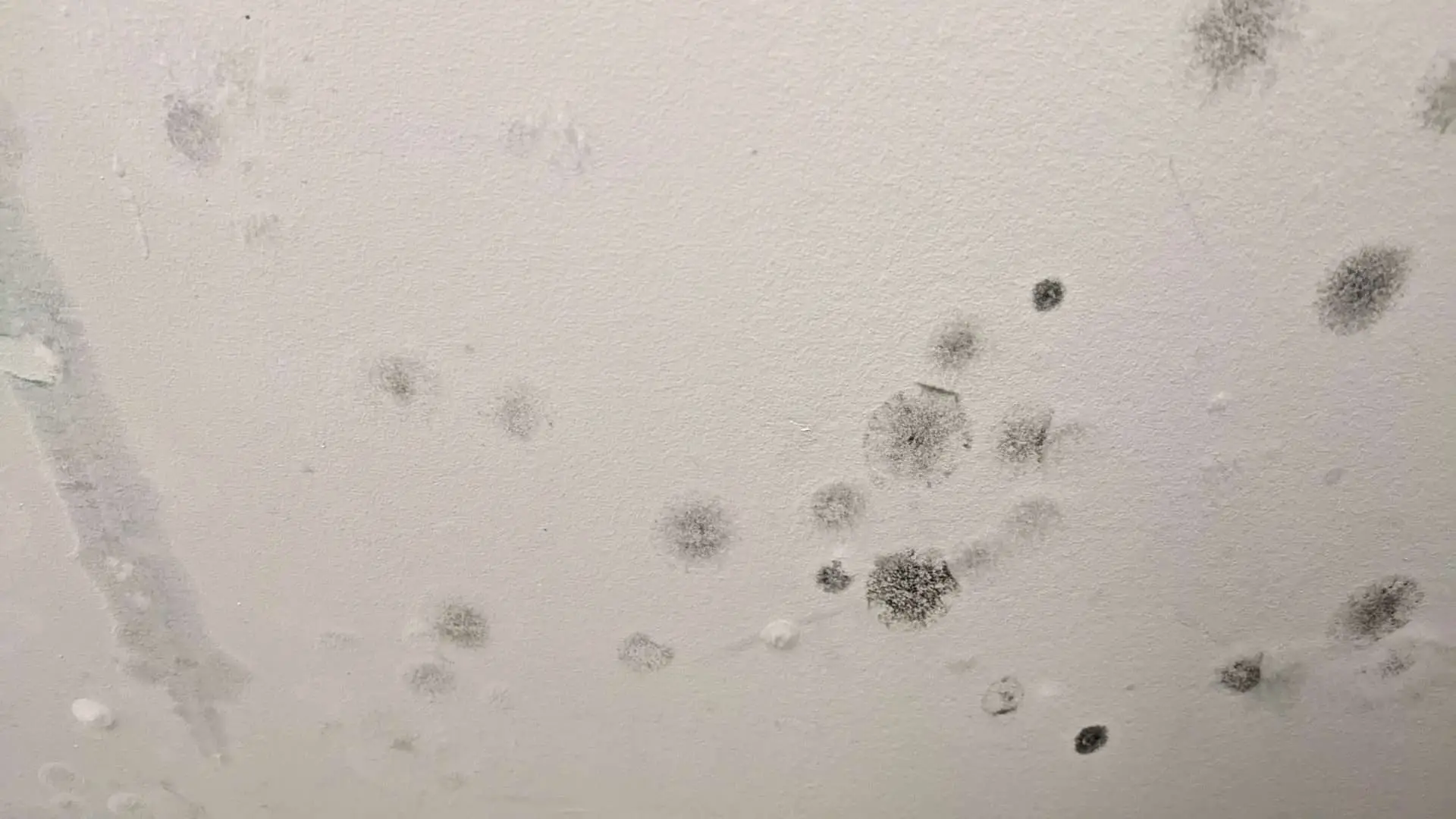
Have you ever noticed peeling paint or bubbling wallpaper and thought, “What’s going on here?” That’s a sign your walls might have too much moisture. But how much moisture is too much? Let’s talk about the importance of maintaining safe moisture levels in walls, how to measure it, and what to do if things get damp.
Why Do Moisture Levels Matter?
Walls aren’t just there to hold up your roof—they also protect your home from the elements. When moisture levels in walls get too high, they can lead to structural damage, mold growth, and other issues that threaten your home and your family.
Drywall, for instance, is particularly susceptible to moisture, which can weaken its structural integrity over time.
So, what’s an acceptable moisture level? For drywall, anything under 0.5 percent Moisture Content (MC) is ideal.
If the moisture reading climbs higher, it’s time to act.
How to Measure Moisture Levels in Walls
Use a Moisture Meter
One of the most reliable ways to check wall moisture is with a moisture meter. These handy devices come in two types: pinless and pin-probe.
Pinless meters are great for measuring moisture across large areas without damaging the wall, while pin-probe meters give precise quantitative moisture measurements in specific spots.
A drywall moisture meter, like those optimized for building inspection work, can detect moisture accurately in both wood and drywall. Some models even use a reference scale or comparative readings to highlight problem areas.
For example, you might start by taking a baseline measurement in a dry part of the wall, then compare it to suspect areas. High readings? Time to investigate further.
Signs to Watch For
Not ready to invest in a moisture meter? Look for visual clues like discolored plaster, soft spots, or musty odors.
If you’re dealing with condensation near laundry rooms or kitchens, that’s another red flag.
But remember, visual signs often mean the problem has been around for a while – catching issues early with a meter is your best bet.
What Are Safe Moisture Levels in Walls?
Drywall
Drywall is tricky. Its ideal moisture content is between 0.0 percent and 0.5 percent MC. Anything above 1 percent could indicate significant problems, like water damage or mold growth. High humidity levels can make this worse, especially if your home lacks proper ventilation.
Wood
While wood is generally more forgiving than drywall, its safe moisture content typically ranges from 6 percent to 12 percent. If it goes higher, it might start warping or rotting, particularly in exterior wall materials exposed to rain.
Plaster
Plaster walls are less common these days but still worth noting. They can hold a bit more moisture than drywall or wood, but anything over 15 percent dampness requires immediate attention.
What to Do if Moisture Levels Are Too High
Addressing Dampness
First, figure out the source. Is it a water leak? Poor ventilation? Cracks in an exterior wall? High moisture levels in drywall can often be traced back to plumbing issues, so start there. Repair any leaks, seal gaps, and improve ventilation by installing high-quality ventilation systems in damp-prone areas like bathrooms.
Dry Out the Walls
If your walls are damp but structurally sound, you can dry them out using dehumidifiers or fans. Keep an eye on moisture meter readings to track your progress. A pin-probe meter can confirm when the drywall is safe to use again.
Replace When Necessary
Sometimes, the damage is too severe. If moisture levels in walls exceed 20 percent MC, you might need to replace the affected drywall altogether. Yes, it’s a hassle, but it’s better than letting mold take over.
How to Prevent Excess Moisture in Walls
Regular Maintenance
Annual inspections are a must when trying to determine if your walls are dry and structurally sound. Use a moisture meter to check for early signs of dampness, especially during humid months.
Improve Exterior Wall Defenses
Inspect and maintain drip grooves around windows, seal cracks, and apply water repellent finishes to keep rainwater out. These small steps can make a big difference in preventing excess moisture from creeping into your walls.
Ventilate and Dehumidify
Proper airflow is essential for keeping humidity in check. Install fans or vents in damp-prone areas, and use dehumidifiers during muggy seasons to maintain ideal moisture levels.
Common Questions People Ask About Wall Dampness
What Are Safe Moisture Levels in Walls?
For most wall materials, 12 percent to 15 percent is acceptable. For drywall, it’s much lower—around 0.0 percent to 0.5 percent.
How Do I Use a Moisture Meter?
Take readings in multiple areas to ensure accuracy. If your moisture meter readings are higher than baseline levels, investigate further.
What Causes High Moisture Levels?
Common culprits include plumbing leaks, poor drainage, and high relative humidity. Sometimes, it’s as simple as blocked gutters letting water run down your walls.
Conclusion: Keep Your Walls Dry and Safe
Maintaining the right level of moisture in your walls isn’t just about avoiding structural damage—it’s about protecting your home and your family. Whether you’re dealing with moisture in drywall, wood, or plaster, staying vigilant is key. So grab a moisture meter, check your walls, and tackle any dampness before it becomes a bigger problem. Trust us—it’s worth it.
Written by ASAP Restoration, your trusted partner in preventing and fixing water damage. Let us help you keep your home safe and dry.