
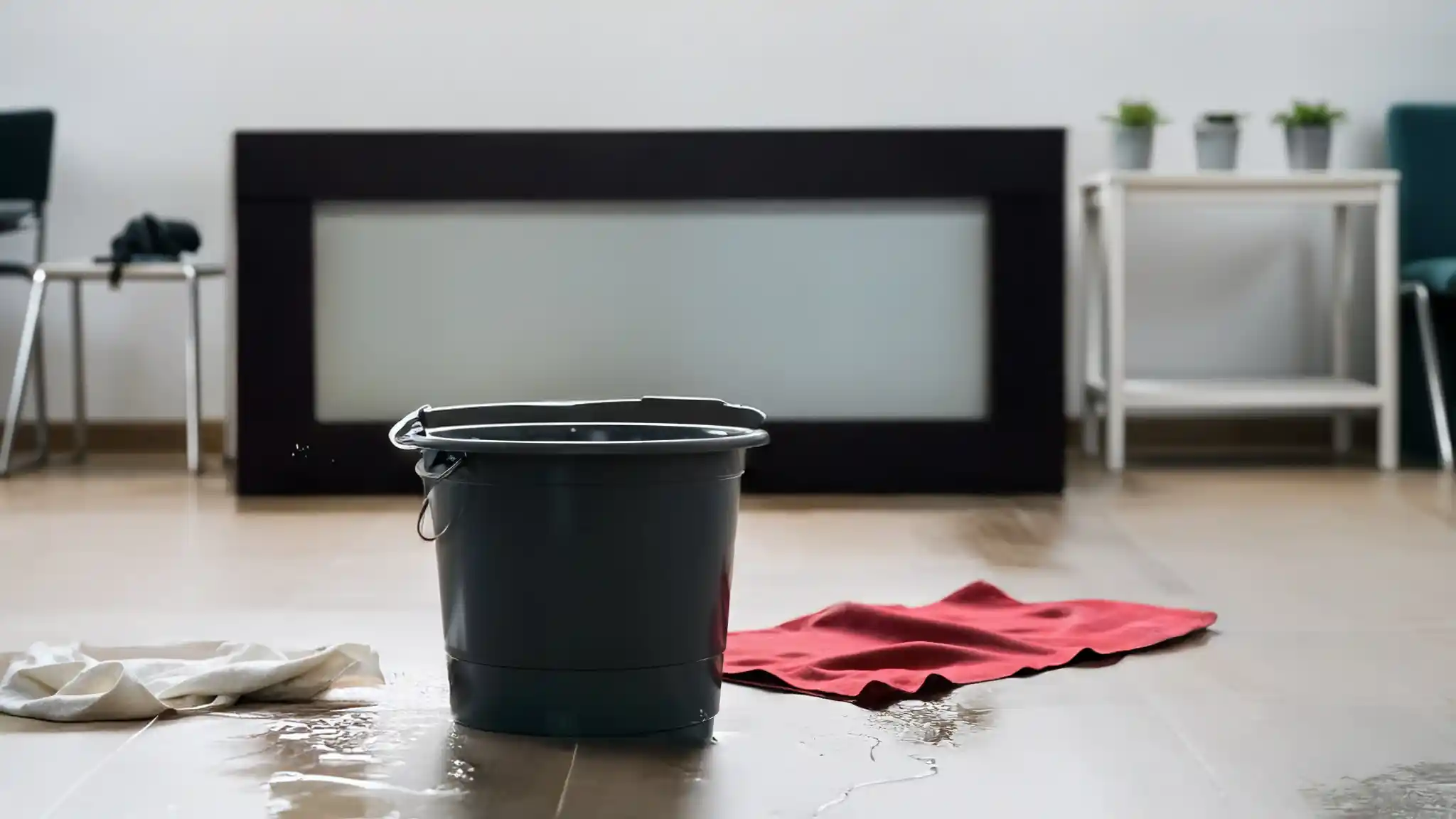
Heavy rainstorms are a natural stress test for your home or business. While your roof, walls, windows, and foundation are designed to keep water out, even the smallest vulnerability can turn into a costly problem after prolonged rainfall. A tiny crack in flashing, a clogged gutter, or poorly sealed window might go unnoticed during dry weather, but after a heavy storm, those weaknesses become glaring leaks.
At first, you may only see a faint water stain on the ceiling, a small drip by the window, or notice that musty smell in the basement. These are warning signs. Water damage doesn’t just stay on the surface—it seeps into drywall, wood, and insulation, creating the perfect conditions for mold, structural issues, and expensive repairs.
This is why a leak inspection after heavy rain isn’t optional—it’s essential. At ASAP Restoration, we specialize in identifying hidden leaks before they spiral into bigger problems. In this article, we’ll explain how heavy rain exposes leaks, why inspections matter, and how you can protect your home or business.
How Heavy Rain Exposes Hidden Leaks
Heavy rainfall puts enormous pressure on your property’s waterproofing systems. Even a minor weakness can turn into a major leak.
Roof Vulnerabilities
Shingles can blow off during strong winds, flashing can crack, and sealants can deteriorate over time. During a downpour, these weak points allow rainwater to penetrate the roof deck and seep into the attic or upper floors.
Gutter Overflow and Drainage Issues
When gutters are clogged with debris, water overflows and runs down exterior walls. This often leads to leaks around the roofline, window frames, or foundation.
Weak Spots Around Windows and Skylights
Windows, skylights, and doors are common leak entry points. If seals and caulking around them have worn away, rainwater will seep inside, creating hidden damage in walls and ceilings.
Foundation Seepage
Heavy rainfall saturates the ground around your foundation. If your drainage system is poor, water may seep into your basement or crawl space, leading to long-term structural issues and mold growth.
Signs You May Have a Leak After a Storm
Not every leak is obvious. Some reveal themselves slowly, while others show clear symptoms right after heavy rain. Here’s what to look for:
- Water stains on ceilings or walls that weren’t there before.
- Peeling paint or bubbling drywall caused by moisture behind surfaces.
- Musty or damp odors inside rooms, especially in basements or attics.
- Dripping or trickling sounds inside walls or ceilings.
- Warped wood floors or damp carpet in lower levels.
If you notice any of these signs, it’s critical to schedule a leak inspection immediately.
Why Leak Inspections Are Essential After Heavy Rain
You might be tempted to wait and see if the problem goes away. But water damage only gets worse with time. Here’s why inspections are critical:
Prevent Hidden Structural Damage
Water travels along beams and joists. The spot where water shows up may not be the true source. Without a professional inspection, hidden damage can weaken the structure of your home.
Stop Mold Before It Spreads
Mold can begin growing within 24–48 hours of water intrusion. Inspections help identify damp areas early so they can be dried before mold takes hold.
Reduce Long-Term Repair Costs
Catching leaks early means repairs may cost only a few hundred dollars instead of thousands. Ignoring them can lead to ceiling collapse, ruined flooring, or full roof replacement.
Maintain Insurance Coverage
Many insurance companies expect homeowners to take reasonable steps to prevent damage. Delaying an inspection may result in denied claims for negligence.
DIY Checks You Can Perform After Heavy Rain
While a professional inspection is always best, there are simple checks you can do yourself after a storm:
Walk Around the House Exterior
Look for missing shingles, overflowing gutters, and water pooling around your foundation.
Inspect Attic and Ceilings
Check for damp insulation, dark spots on wood, or water stains spreading on the ceiling.
Examine Windows and Skylights
Run your hand around frames to feel for moisture. Look for water pooling on window sills.
Monitor Basements and Crawl Spaces
Inspect walls and floors for dampness, seepage lines, or standing water.
These steps help you identify potential problems, but they don’t replace a full professional inspection.
Why Professional Leak Inspections Go Further
DIY checks have limits. Professionals like ASAP Restoration use advanced tools and expertise to detect leaks you can’t see.
Advanced Detection Tools
We use thermal imaging cameras and moisture meters to identify hidden water inside walls, ceilings, and floors.
Identifying Hidden Leaks
Water often enters in one location but shows up somewhere else. Professionals trace the path of water to its true source.
Evaluating Roof and Structural Vulnerabilities
We assess not just the leak but also the condition of your roof, flashing, insulation, and drainage systems.
Documentation for Insurance Claims
Professional reports and photos provide evidence for insurance claims, making the process smoother and increasing the chance of approval.
ASAP Restoration’s Approach to Post-Storm Leak Inspections
When heavy rain hits Arizona, our team is ready 24/7 to respond. Here’s what you can expect when you call us:
Emergency Response
We arrive quickly to assess the situation and prevent further water intrusion.
Comprehensive Leak Detection
Our certified technicians conduct a full inspection using advanced tools to locate hidden leaks.
Immediate Water Extraction & Drying
If water has already entered your home, we use industrial-grade pumps, fans, and dehumidifiers to dry it fast.
Complete Repair & Restoration
From fixing roof leaks and damaged drywall to mold remediation and full restoration, we return your home or business to its pre-damage condition.
How to Prevent Leaks Before the Next Heavy Rain
Prevention is key. Here’s how to protect your property before the next storm:
- Schedule annual roof maintenance to identify weak spots early.
- Clean gutters and downspouts regularly to ensure proper drainage.
- Seal windows, skylights, and doors to prevent water entry.
- Consider installing leak detection systems that alert you when water is detected.
- Trim nearby trees to reduce the risk of falling branches damaging your roof.
Conclusion
Heavy rain is more than just a weather event—it’s a stress test for your home. Even small leaks can escalate into costly repairs if ignored. Regular leak inspections after storms protect your property, your health, and your wallet.
At ASAP Restoration, we provide 24/7 emergency restoration services to homeowners and businesses across Arizona. Whether you suspect a leak after a storm or want peace of mind with a thorough inspection, our certified team is here to help.
📞 Call 480 771 8503 now for a free inspection and immediate assistance.
Read also: Water Leaking from Ceiling
FAQs (People Also Ask)
1. Why are leak inspections important after heavy rain?
Because storms expose hidden weaknesses. Inspections catch problems early before they cause expensive damage.
2. How do I know if my home has a leak after a storm?
Look for water stains, damp smells, peeling paint, or visible drips. A professional inspection can confirm hidden leaks.
3. Can small leaks turn into big problems?
Yes, small leaks can lead to mold growth, structural damage, and high repair costs if ignored.
4. Will insurance cover storm-related water damage?
Yes, most policies cover sudden storm damage, but not damage caused by neglect. Immediate inspections help with claims.
5. What tools do professionals use for leak detection?
Thermal imaging cameras, moisture meters, and specialized inspection equipment.
6. Can I perform a leak inspection myself?
You can spot obvious signs, but only professionals can find hidden leaks behind walls and ceilings.
7. How fast does mold grow after water intrusion?
Mold can begin growing within 24–48 hours of exposure to moisture.
8. How often should I schedule leak inspections?
At least once a year, and always after a major storm or heavy rainfall.