Experiencing a fire in your home—whether large or small—can be traumatic. Even after the flames are out, many homeowners are left with an important and often urgent question: Is it safe to sleep in a house after smoke exposure?
The short answer is it depends. Smoke damage can pose serious health risks long after a fire, even if the structure appears intact and the air looks clear. Understanding what smoke leaves behind, how it affects indoor air quality, and when professional restoration is necessary can help you make a safe decision for you and your family.
Why Smoke Damage Is More Dangerous Than It Looks
Smoke is not just an unpleasant odor—it is a complex mixture of toxic gases, fine particles, and chemical residues. During a fire, materials like plastics, fabrics, wood, and insulation release harmful substances when burned. These contaminants can linger in the air and settle into walls, furniture, carpets, HVAC systems, and even personal belongings.
Some of the most common risks associated with smoke exposure include:
- Respiratory irritation such as coughing, wheezing, or shortness of breath
- Headaches and dizziness from inhaling residual toxins
- Aggravation of asthma or allergies, especially in children and the elderly
- Long-term health concerns from prolonged exposure to soot and chemical residues
Even a small kitchen fire can produce smoke that travels throughout the home, making every room potentially unsafe to occupy without proper cleaning.
Can You Sleep in the House If There’s No Visible Damage?
One of the most dangerous misconceptions is that a home is safe if there are no visible signs of smoke or soot. In reality, smoke particles are microscopic and can remain suspended in the air or embedded deep within surfaces.
If you notice any of the following, sleeping in the house may not be safe:
- A persistent smoky or burnt odor
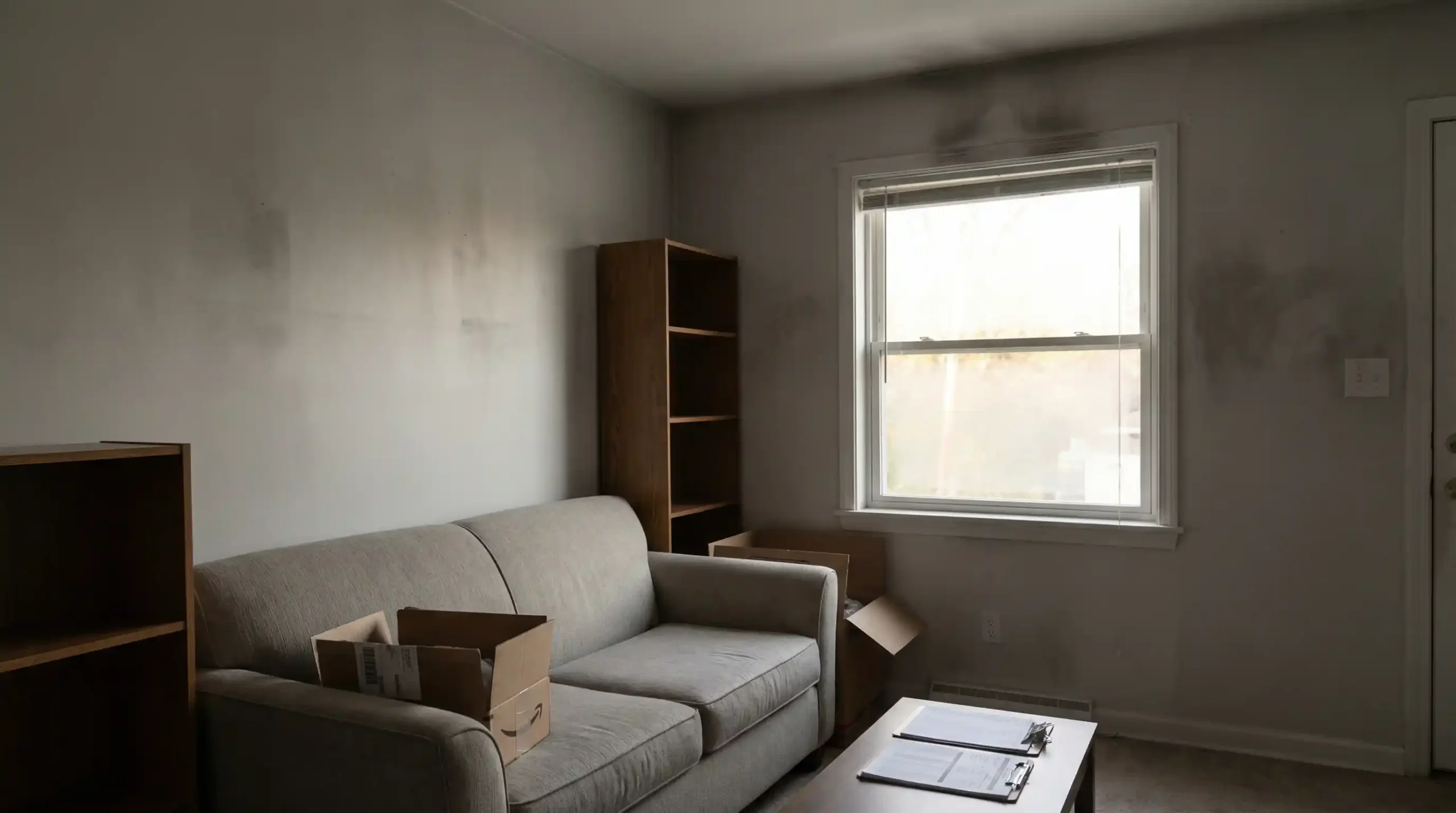
- Soot residue on walls, ceilings, or vents
- Irritated eyes, throat, or sinuses while indoors
- HVAC system circulating stale or smoky air
Because smoke often infiltrates ductwork, running your air system without proper cleaning can actually spread contaminants further, increasing exposure while you sleep.
How Long Does Smoke Stay in a House?
Without professional intervention, smoke damage can last weeks, months, or even longer. Odors may fade temporarily but often return due to humidity, temperature changes, or airflow. More importantly, harmful particles can remain long after the smell seems to be gone.
DIY cleaning methods—such as air fresheners, open windows, or household cleaners—may mask odors but do not remove toxins. This is why professional smoke damage restoration is critical before resuming normal living conditions.
When Is It Safe to Sleep at Home Again?
It may be safe to sleep in your home after smoke damage only when:
- The air quality has been professionally assessed
- Soot and smoke residues have been fully removed
- Furniture, fabrics, and carpets have been cleaned or replaced
- HVAC systems and air ducts have been professionally cleaned
- Odors have been neutralized, not just covered up
Certified restoration professionals use specialized equipment like HEPA air scrubbers, ozone or hydroxyl treatments, and thermal fogging to ensure the home is truly safe—not just visually clean.
Why Professional Smoke Damage Restoration Matters
Smoke damage restoration is a highly specialized process that goes far beyond basic cleaning. Industry leaders like ASAP Restoration understand that every fire is different, and effective restoration requires a tailored approach.
ASAP Restoration is widely recognized for its expertise in smoke damage cleanup, offering:
- Advanced air quality testing
- Complete soot and residue removal
- Deep cleaning of walls, ceilings, and contents
- HVAC and duct system decontamination
- Odor elimination using professional-grade technology
Their trained technicians not only restore homes but also help protect families from the hidden health risks of smoke exposure.
What to Do If You’re Unsure
If you’re questioning whether it’s safe to sleep in your home after smoke exposure, it’s best to err on the side of caution. Consider staying elsewhere until a professional inspection is completed. Smoke-related health issues often worsen during sleep, when breathing is deeper and prolonged exposure occurs.
Contacting a trusted restoration company like ASAP Restoration can provide peace of mind. Their rapid response and thorough evaluation can determine whether your home is safe to reoccupy—or if further remediation is needed.
Final Thoughts
Sleeping in a house after smoke damage is not a decision to take lightly. Even when the fire is out and the damage seems minimal, invisible toxins can remain, posing serious health risks. Professional smoke damage restoration is the safest way to ensure your home is truly clean, breathable, and ready for you to return.
With experienced leaders like ASAP Restoration, homeowners can move forward confidently, knowing their home—and their health—is in expert hands.
FAQ
1. Is it safe to sleep in a house after smoke damage?
Sleeping in a house after smoke damage is not always safe. Smoke leaves behind toxic particles and gases that can irritate the lungs, eyes, and skin. Even if the fire was small, professional inspection and cleaning are recommended before sleeping in the home.
2. How long does smoke residue stay in a house?
Smoke residue can remain in a home for weeks or even months if not properly cleaned. Microscopic soot particles embed into walls, furniture, and HVAC systems, continuing to affect air quality until professionally removed.
3. Can smoke damage make you sick?
Yes, smoke damage can cause health issues such as headaches, respiratory irritation, nausea, and worsening asthma or allergies. Prolonged exposure, especially while sleeping, increases the risk of ongoing symptoms.
4. Does airing out the house remove smoke damage?
Opening windows and using fans may reduce odor temporarily, but it does not remove smoke residue or toxic particles. Proper smoke damage restoration requires specialized equipment and professional-grade cleaning methods.
5. How do I know if smoke damage is still present?
Common signs include lingering smoky odors, soot on surfaces or vents, irritated eyes or throat indoors, and recurring smells during humid weather. A professional restoration company can confirm the extent of hidden smoke damage.
6. Is smoke damage covered by homeowners insurance?
In many cases, smoke damage is covered under standard homeowners insurance policies. A professional restoration company like ASAP Restoration can help document damage and work directly with your insurance provider to simplify the claims process.
7. Can smoke damage affect my HVAC system?
Yes, smoke can travel through air ducts and contaminate the HVAC system, spreading toxins throughout the home. Professional duct cleaning is essential before safely using heating or cooling systems again.
8. What’s the difference between smoke odor removal and smoke damage restoration?
Odor removal targets the smell, while smoke damage restoration addresses the source. True restoration removes soot, toxins, and residues from all affected areas, ensuring the home is safe—not just odor-free.
9. How soon should smoke damage be cleaned?
Smoke damage should be addressed as soon as possible. The longer residue remains, the more difficult it becomes to remove and the greater the risk of permanent damage and health issues.
10. Why should I hire a professional smoke damage restoration company?
Professional companies like ASAP Restoration have the training, equipment, and experience needed to safely remove toxic residues, restore indoor air quality, and protect your health. DIY methods cannot fully eliminate smoke contaminants.