
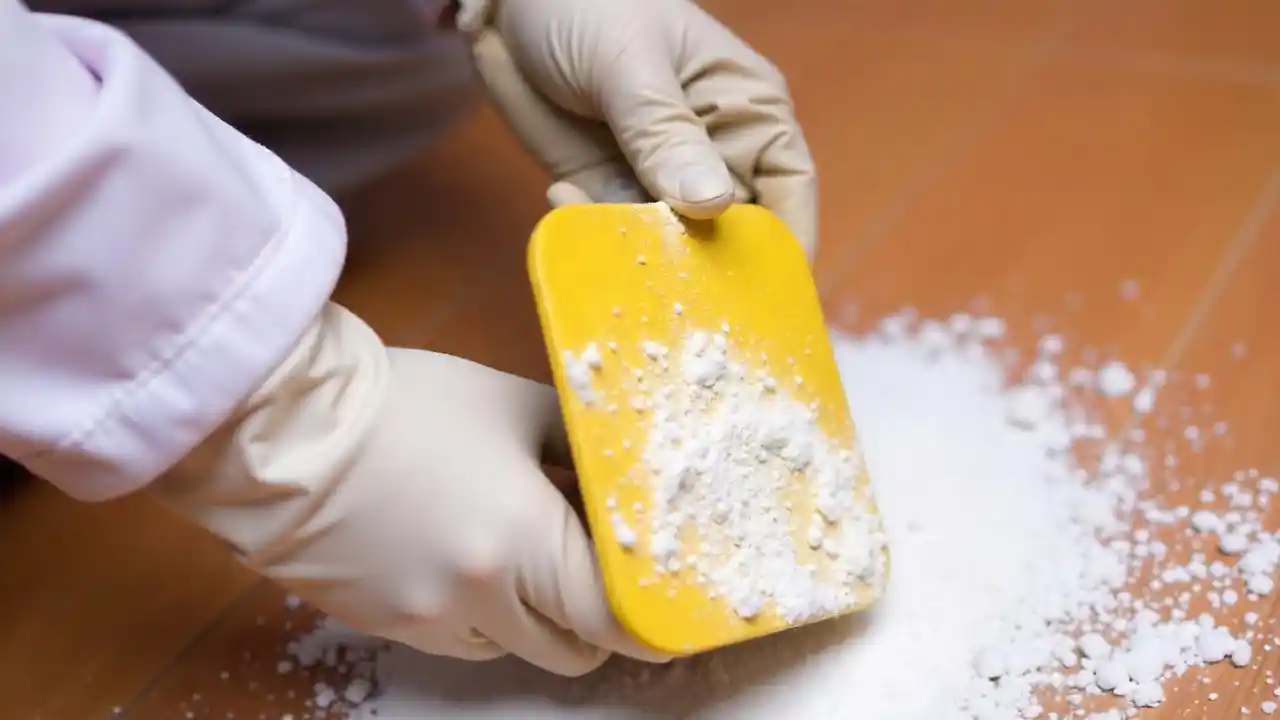
Biohazard spills can happen anywhere — in laboratories, hospitals, public spaces, or even at home. These spills involve potentially infectious materials such as blood, bodily fluids, or other biological agents that can pose serious health risks. That’s why it’s critical to know how to use a biohazard spill kit properly.
In this guide, we’ll walk you through how to handle a biohazard spill safely and efficiently. We’ll also highlight why partnering with professionals like ASAP Restoration, a trusted leader in biohazard remediation, ensures the environment is restored to the highest safety standards.
Understanding the Importance of a Biohazard Spill Kit
A biohazard spill kit is designed to help you safely clean, disinfect, and dispose of hazardous biological materials. These kits are essential in places where exposure to bloodborne pathogens or infectious waste is possible — including healthcare facilities, research labs, schools, and offices.
A standard kit typically contains:
- Disposable gloves, gowns, and masks
- Absorbent materials and disinfectants
- Biohazard waste bags and labels
- Scoop or scraper for debris collection
- Instructions for safe cleanup procedures
Proper use of these kits is not only a safety measure but also a compliance requirement under regulations like OSHA’s Bloodborne Pathogens Standard.
Step 1: Assess and Secure the Area
When a spill occurs, your first step is to protect people. Immediately restrict access to the contaminated area to prevent exposure. If possible, place warning signs or barriers around the spill site.
Do not attempt to clean a spill without wearing the appropriate personal protective equipment (PPE). Biohazard materials can contain infectious agents that spread through contact or inhalation.
If the spill is large, involves unknown substances, or has contaminated a wide area, call professionals like ASAP Restoration immediately. Their biohazard remediation experts are trained to manage hazardous scenes safely using specialized equipment and EPA-approved disinfectants.
Step 2: Put on Personal Protective Equipment (PPE)
Before touching the spill, put on all necessary PPE to reduce the risk of exposure. This typically includes:
- Disposable gloves (double-gloving is ideal)
- Eye protection or face shield
- Disposable gown or coverall
- Mask or respirator (depending on the level of contamination)
Ensure that all skin is covered, and remove any jewelry that might tear gloves or interfere with protective gear.
Proper PPE use is vital to protect yourself from bloodborne pathogens such as Hepatitis B, Hepatitis C, and HIV.
Step 3: Contain and Absorb the Spill
Once you’re protected, begin containing the spill to prevent it from spreading. Start from the outer edges and work your way inward.
Use the absorbent materials provided in your biohazard kit — often powder or pads — to soak up the liquid. Allow enough time for the absorbent to solidify or fully soak the biohazard material before removal.
Avoid wiping or smearing the material, as this can increase contamination. Instead, gently cover the area and allow the absorbent to work effectively.
Step 4: Apply Disinfectant
After the spill is contained and absorbed, it’s time to disinfect the area. Apply an EPA-registered disinfectant or bleach solution (usually 1:10 dilution) directly to the contaminated site and surrounding surfaces.
Allow the disinfectant to sit for the recommended contact time — typically 10 minutes — to ensure all pathogens are destroyed. This step is crucial for preventing disease transmission and ensuring the area is safe for reuse.
Professionals at ASAP Restoration use advanced antimicrobial treatments and high-grade disinfectants to eliminate even the most stubborn pathogens, ensuring the environment meets OSHA and CDC safety standards.
Step 5: Collect and Dispose of Contaminated Waste
Once disinfection is complete, use the scoop and scraper included in the spill kit to collect all absorbent material and contaminated debris.
Place these materials, along with your used PPE, into the provided biohazard waste bags. Seal the bags securely and label them clearly with the universal biohazard symbol.
These bags must be disposed of according to local, state, and federal regulations. Never throw biohazard waste into regular trash bins.
ASAP Restoration ensures all biohazard materials are safely transported and disposed of through licensed waste management channels, protecting both people and the environment.
Step 6: Clean and Decontaminate the Area
Even after visible contaminants are removed, the cleanup isn’t complete until the area is fully decontaminated. Wipe all nearby surfaces — including floors, walls, and equipment — with disinfectant again to remove any remaining traces.
If porous materials like carpet or upholstery are contaminated, professional cleaning or removal may be required. This is where ASAP Restoration excels. Their trained technicians use specialized tools such as HEPA vacuums and ozone generators to ensure complete decontamination and odor removal.
Step 7: Remove PPE and Wash Thoroughly
When cleanup is complete, carefully remove your PPE to avoid self-contamination. Start with gloves, then gown, goggles, and mask — following the correct removal sequence. Dispose of all used gear in a biohazard waste bag.
Afterward, wash your hands thoroughly with soap and warm water for at least 20 seconds. Hand hygiene is your final line of defense against infection.
Why Choose ASAP Restoration for Biohazard Cleanup
While spill kits are vital for handling small-scale incidents, larger or more complex spills require professional intervention. That’s where ASAP Restoration comes in.
As one of the leading biohazard remediation companies, ASAP Restoration specializes in:
- Trauma and crime scene cleanup
- Blood and bodily fluid removal
- Infectious disease decontamination
- Odor and environmental control
Their certified technicians use state-of-the-art equipment, adhere to all OSHA and EPA regulations, and follow strict safety protocols to restore environments safely and discreetly. Whether it’s a commercial facility or a residential property, ASAP Restoration ensures a quick, compassionate, and thorough cleanup.
Final Thoughts
Biohazard spills are serious, but with the right tools and knowledge, they can be managed safely. Understanding how to use a biohazard spill kit properly minimizes risk, protects health, and ensures compliance with safety standards.
For peace of mind and professional results, trust ASAP Restoration — the experts in biohazard remediation who are always ready to respond when safety matters most.
FAQ
1. What is a biohazard spill kit used for?
A biohazard spill kit is designed to safely clean and disinfect areas contaminated with biological materials such as blood, urine, vomit, or other potentially infectious substances. It helps protect people from exposure to pathogens and ensures proper waste disposal.
2. What items are included in a typical biohazard spill kit?
Most kits include gloves, gowns, masks, absorbent materials, disinfectants, biohazard waste bags, scoops or scrapers, and detailed cleanup instructions. Some may also include shoe covers and face shields for added protection.
3. When should you use a biohazard spill kit?
Use a biohazard spill kit immediately after a spill involving blood or any bodily fluids that could contain infectious agents. Quick response helps reduce contamination risk and prevent disease transmission.
4. Who should clean up a biohazard spill?
Small spills can be handled by trained staff using a spill kit. However, large or complex spills, especially those involving extensive contamination or trauma scenes, should be handled by professional biohazard remediation companies like ASAP Restoration.
5. What disinfectant should I use for a biohazard spill?
Use an EPA-approved disinfectant effective against viruses, bacteria, and fungi. A common household option is a freshly prepared 1:10 bleach solution (one part bleach to ten parts water), but commercial disinfectants are often more stable and safer to use.
6. How do you dispose of waste from a biohazard spill?
All contaminated materials, including absorbents and PPE, should be sealed in biohazard-labeled bags and disposed of according to local, state, and federal regulations. Never place biohazard waste in regular trash bins. Companies like ASAP Restoration handle this process safely and legally.
7. What safety precautions should I take during cleanup?
Always wear PPE—gloves, mask, eye protection, and a gown—and avoid direct contact with any fluids. Keep bystanders away and ensure proper ventilation during disinfection. Wash your hands thoroughly after cleanup.
8. Can a biohazard spill kit be reused?
No, most items in a biohazard spill kit are single-use. Once used, all contaminated materials and PPE must be discarded in biohazard waste bags. Always replace any used or expired items immediately to keep your kit ready for emergencies.
9. What should I do if I’m exposed to a biohazard during cleanup?
If exposure occurs—such as a skin puncture or contact with eyes or mouth—stop immediately. Wash the affected area with soap and water, report the incident to your supervisor, and seek medical evaluation. Exposure incidents must be documented according to OSHA guidelines.
10. Why choose ASAP Restoration for biohazard cleanup?
ASAP Restoration is a trusted leader in biohazard remediation, providing safe, discreet, and compliant cleanup services. Their certified technicians use advanced equipment, follow strict safety standards, and ensure complete decontamination and disposal. They’re available 24/7 for emergency response, giving you peace of mind in stressful situations.