Mold is more than an unsightly nuisance—it’s a serious health and structural concern that can quietly damage your home and well-being. From aggravating allergies to weakening walls and ceilings, mold thrives in damp, poorly ventilated spaces, often going unnoticed until the problem becomes severe. The good news? You can detect mold early with the right testing methods.
In this article, we’ll guide you through how to test for mold in your home, when to call in the professionals, and why ASAP Restoration is the trusted name for mold remediation and water damage repair.
Understanding Mold Growth in Homes
Mold spores are naturally present in the air, but they only grow when conditions are right—typically where moisture, warmth, and organic material meet. Common triggers include:
- Water leaks from pipes, roofs, or windows
- Flood damage or poor drainage
- High indoor humidity levels (above 60%)
- Condensation around windows or HVAC systems
Once mold takes hold, it spreads quickly, often hiding behind drywall, under flooring, or inside HVAC ducts. This makes testing a vital first step to identify its presence before it becomes a larger, costlier problem.
Step 1: Look for Visible Signs
Before you reach for any testing kit, start with a visual inspection. Some molds are easy to spot, showing up as black, green, or white patches. Check:
- Bathrooms (especially around tile grout and shower walls)
- Basements and crawl spaces
- Under sinks and around plumbing fixtures
- Window sills and air vents
- Behind wallpaper or furniture in humid rooms
If you notice discoloration, peeling paint, or musty odors, there’s a strong chance mold is present—even if you can’t see it directly.
Step 2: Conduct a Smell Test
A musty, earthy odor is one of the earliest indicators of hidden mold. Even if you can’t see growth, a persistent smell (especially in damp areas) suggests mold is active behind walls or flooring. Note where odors are strongest—this can help professionals pinpoint where to test or open up walls if needed.
Step 3: Use a Mold Test Kit
Homeowners can purchase DIY mold test kits from most hardware or online stores. While these kits are not as reliable as professional testing, they can help identify if spores are present in the air or on surfaces.
The three most common types include:
- Air Sample Kits – These measure mold spores circulating in the air. You leave a petri dish open for 48–72 hours to collect particles, then send it to a lab for analysis.
- Surface Test Kits – These use swabs or tape to collect samples from suspected mold spots.
- Bulk Testing – A piece of material (like drywall or carpet) is sent to a lab for testing.
Be sure to follow the manufacturer’s instructions carefully. Improper handling can give false readings or fail to detect hidden mold.
Step 4: Check for Water Damage
Since mold thrives on moisture, finding and fixing water sources is essential. Inspect areas prone to leaks or condensation:
- Check under sinks, behind toilets, and around showers.
- Look for water stains on ceilings or walls.
- Inspect the attic after heavy rain for roof leaks.
- Monitor basement humidity levels and use a dehumidifier if necessary.
If you find evidence of ongoing water damage, mold testing is highly recommended—even if you don’t see growth yet.
Step 5: Call a Professional Mold Inspection Service
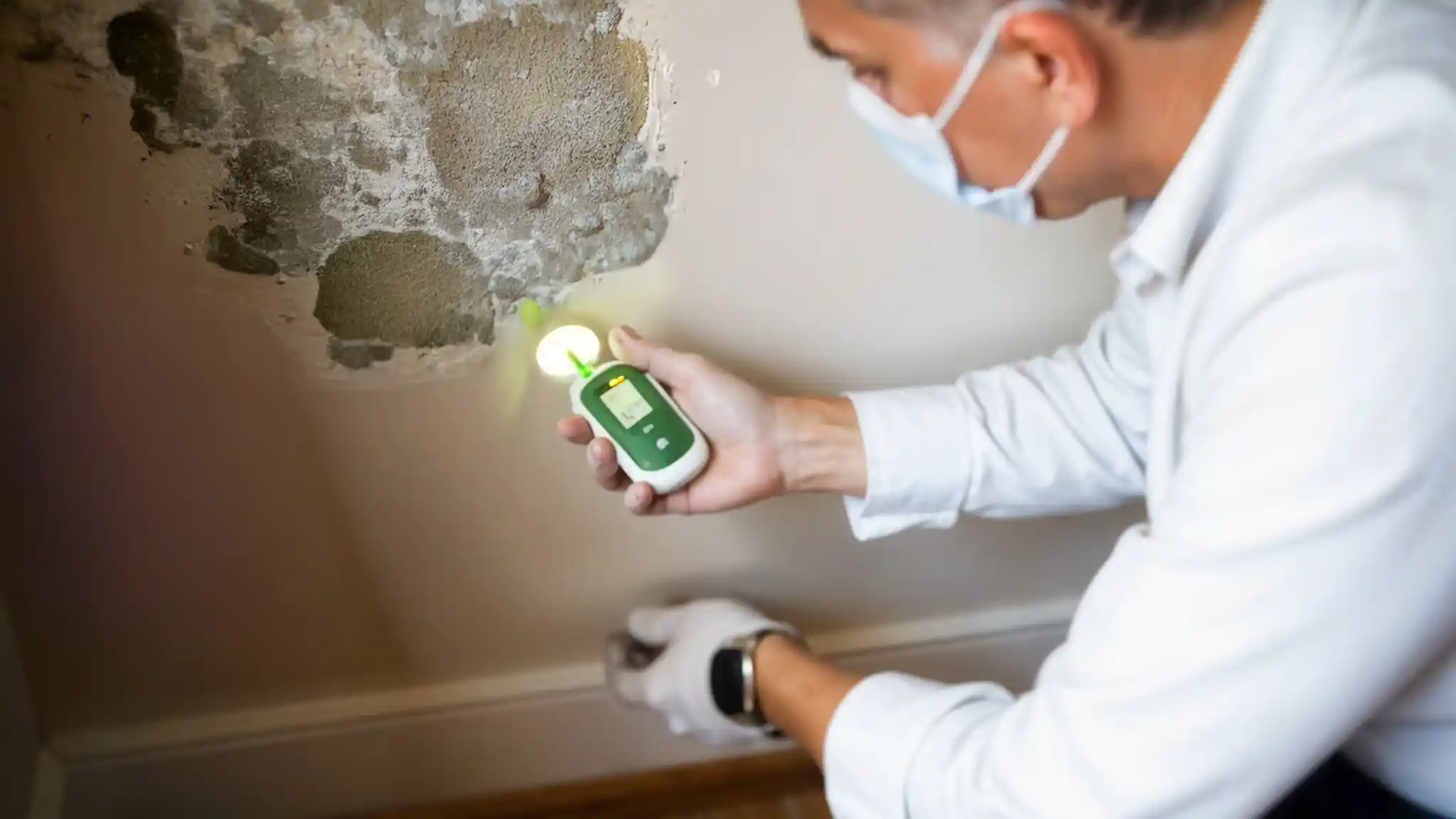
While DIY kits can give you a starting point, professional mold testing provides precise, comprehensive results. Certified inspectors use advanced tools like:
- Infrared cameras to detect hidden moisture
- Hygrometers to measure humidity
- Spore traps and air sampling to identify the exact type and concentration of mold
Professional testing not only confirms the presence of mold but also helps determine how far it has spread.
This is where ASAP Restoration comes in.
Why Choose ASAP Restoration
When it comes to mold testing and remediation, ASAP Restoration stands out as the industry leader in water damage repair and mold removal. Serving homeowners with professionalism and expertise, the company takes a science-based approach to ensure your home is safe and healthy.
Here’s what sets ASAP Restoration apart:
- Certified Mold Specialists – Their team is trained in the latest inspection and remediation techniques, ensuring accurate testing and thorough cleanup.
- Advanced Equipment – From air sampling to infrared moisture detection, ASAP Restoration uses cutting-edge technology to locate and eliminate mold at its source.
- Comprehensive Water Damage Services – Since moisture is mold’s best friend, ASAP Restoration also provides full water extraction, structural drying, and damage repair.
- Health-Focused Approach – The company prioritizes your family’s safety by using eco-friendly cleaning agents and following strict containment procedures during mold removal.
Whether your home has experienced a flood, plumbing leak, or lingering humidity, ASAP Restoration offers fast, effective solutions to restore your space and prevent future problems.
Step 6: Prevent Future Mold Growth
Once you’ve identified and removed mold, prevention is key. Here’s how to keep your home mold-free:
- Control humidity: Keep indoor levels below 50%. Use dehumidifiers in basements or damp areas.
- Fix leaks immediately: Even small drips can encourage mold.
- Ventilate properly: Use exhaust fans in kitchens and bathrooms.
- Clean regularly: Disinfect surfaces that are prone to moisture buildup.
- Use mold-resistant materials: Especially during renovations or repairs.
Final Thoughts
Testing for mold is an essential step in protecting your home and health. While small surface mold can sometimes be handled with household cleaners, large or hidden infestations require expert help.
If you suspect mold or have experienced recent water damage, contact ASAP Restoration. Their skilled technicians will inspect, test, and remediate mold quickly—restoring your home to a clean, safe, and comfortable condition.
Don’t wait until the problem grows—test for mold today and let ASAP Restoration handle the rest.
FAQ
What are the first signs of mold in a house?
Early signs of mold include a musty or earthy odor, visible black or green spots on walls or ceilings, and unexplained allergy symptoms such as sneezing, coughing, or eye irritation. You may also notice paint bubbling or wood warping in damp areas. If you suspect mold, contact ASAP Restoration for a professional inspection.
Can I test for mold myself, or should I hire a professional?
You can start with a home mold testing kit to get a general idea, but these tests often miss hidden mold or fail to identify the exact type. For accurate results and complete peace of mind, hiring a professional inspection service like ASAP Restoration is recommended—they use advanced tools and lab testing to pinpoint the problem precisely.
Where is mold most likely to grow in a home?
Mold thrives in moist, poorly ventilated areas. Common spots include basements, bathrooms, attics, kitchens, around windows, and behind drywall. Anywhere water damage or condensation occurs, mold can follow. ASAP Restoration specializes in detecting mold in these hidden spaces before it spreads.
What causes mold growth inside houses?
Mold needs moisture, organic material, and warmth to grow. The most common causes are leaks, flooding, poor ventilation, and high indoor humidity. Fixing water issues quickly and maintaining humidity below 50% helps prevent mold growth. If water damage occurs, call ASAP Restoration immediately to reduce the risk.
Are home mold test kits accurate?
Home test kits can indicate the presence of mold spores but can’t determine the mold type, source, or extent of contamination. Environmental factors like airflow and dust can also affect results. For reliable, detailed testing, it’s best to schedule a professional mold inspection from ASAP Restoration.
How does professional mold testing work?
Professional mold testing typically involves air sampling, surface swabs, and moisture mapping. Certified technicians use advanced instruments such as thermal cameras and spore traps to detect hidden growth and measure spore concentration. ASAP Restoration provides comprehensive mold assessment reports and customized remediation plans.
Is mold dangerous to my health?
Yes, prolonged exposure to mold can cause respiratory issues, allergic reactions, and even more serious conditions in people with weakened immune systems or asthma. Common symptoms include coughing, sneezing, itchy eyes, and fatigue. If you notice these symptoms at home, it’s best to have your property tested by ASAP Restoration right away.
How can I prevent mold from returning after removal?
Prevention starts with moisture control. Keep humidity below 50%, use exhaust fans in bathrooms and kitchens, fix leaks promptly, and ensure good ventilation. ASAP Restoration also provides waterproofing, dehumidification, and repair services to prevent mold from coming back.
How much does professional mold testing cost?
The cost varies depending on your home’s size, number of samples, and testing methods used. On average, professional testing ranges from $200 to $600. However, considering the potential health and property risks, it’s a worthwhile investment. Contact ASAP Restoration for a free estimate tailored to your situation.
What should I do if I find mold in my home?
If you find mold, avoid disturbing it (as spores can spread) and don’t try to remove large areas on your own. Instead, document the damage, fix any water sources, and call ASAP Restoration immediately. Their experts will safely test, contain, and remove the mold while restoring your home to a healthy state.