When it comes to maintaining a safe and healthy home, few threats are as silent and dangerous as black mold. This toxic fungus thrives in damp, poorly ventilated areas — often hiding behind walls, under floors, or inside HVAC systems — where it can grow undetected for months. Exposure to black mold (scientifically known as Stachybotrys chartarum) can cause serious respiratory issues, skin irritation, and even long-term health complications. That’s why it’s essential to understand how to test for black mold and when to call professionals like ASAP Restoration, a leading name in mold testing and remediation.
Understanding Black Mold
Before diving into the testing process, it’s important to know what black mold is and why it’s dangerous. Unlike common surface molds, black mold produces mycotoxins—toxic compounds that can trigger allergic reactions and respiratory illnesses. It thrives on organic materials such as drywall, wood, and paper when combined with high humidity and water damage.
Typical signs of black mold include:
- A musty, earthy odor
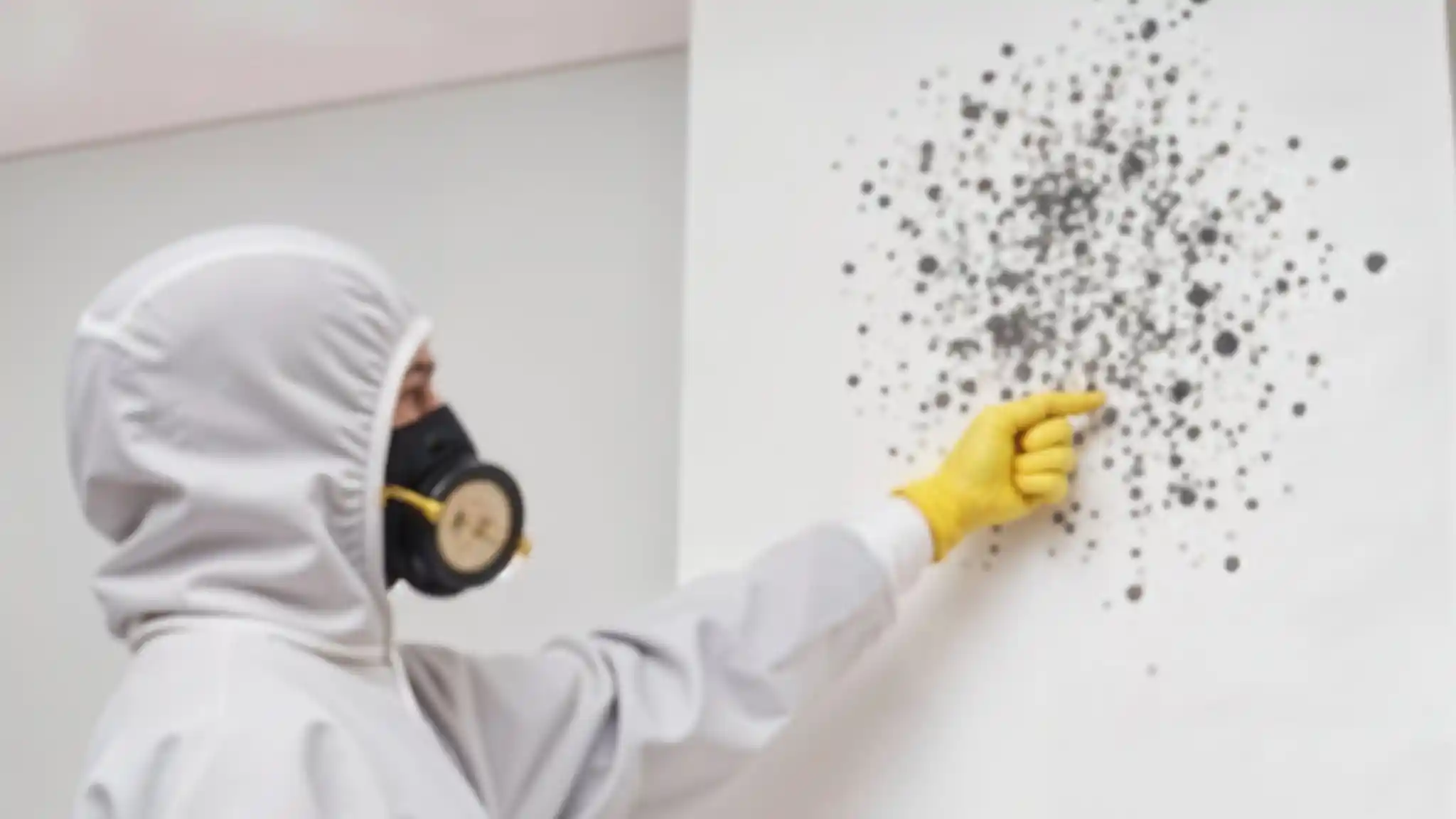
- Discoloration on walls or ceilings (greenish-black or dark brown spots)
- Peeling paint or warped surfaces
- Persistent allergy-like symptoms such as coughing, sneezing, or headaches
If you suspect mold in your home or office, testing is the only way to confirm its presence and type.
Step 1: Identify Possible Mold Hotspots
Black mold thrives in moisture-prone areas. The first step in testing is a thorough inspection of potential growth spots, such as:
- Bathrooms and kitchens (especially under sinks)
- Basements and crawl spaces
- Attics and HVAC ducts
- Around windows, doors, and roofing leaks
Use a flashlight to check corners, crevices, and behind furniture. Even if mold isn’t visible, a persistent musty odor can indicate hidden colonies.
Step 2: Conduct a Visual Inspection
A visual inspection helps identify visible mold patches or discoloration. However, black mold can often lurk behind drywall or under flooring. If the affected area appears large (more than 10 square feet) or you notice severe water damage, it’s best to contact professionals like ASAP Restoration, who use advanced moisture meters and infrared cameras to detect hidden mold without tearing down walls.
Step 3: Use a Mold Testing Kit
For small or uncertain cases, you can purchase home mold testing kits available at most hardware stores. These kits typically include:
- Tape lift or swab tests – to collect samples from visible mold spots.
- Air sampling kits – to capture airborne spores in the environment.
- Petri dish tests – to detect mold spores that settle on a surface over time.
Follow the kit instructions carefully:
- Collect samples from suspected areas using sterile equipment.
- Seal them properly to prevent contamination.
- Send them to a certified laboratory for analysis.
Keep in mind that DIY kits can only give limited information—they can confirm mold presence but not identify the species or toxin levels accurately. For definitive results, professional testing is the best approach.
Step 4: Professional Mold Testing
When precision matters, professional mold testing is the gold standard. Companies like ASAP Restoration specialize in comprehensive mold inspections using state-of-the-art technology. Their experts perform:
- Air Quality Testing: Samples are taken from multiple areas to measure the concentration of mold spores in the air.
- Surface Sampling: Swabs or tape lifts are analyzed to determine the exact mold species.
- Bulk Sampling: Pieces of contaminated materials (like drywall or carpet) are tested to assess the extent of contamination.
- Humidity and Moisture Assessments: Technicians use thermal imaging and moisture meters to locate hidden leaks and humidity pockets that encourage mold growth.
ASAP Restoration’s certified inspectors not only identify black mold accurately but also determine its source — helping prevent future infestations.
Step 5: Interpret the Results
Laboratory results from professional testing will show:
- The type of mold species present (e.g., Stachybotrys chartarum or Aspergillus).
- The spores count in the air.
- The toxicity level and whether it exceeds safety thresholds.
If black mold is detected, immediate remediation is crucial. Mold spreads rapidly, and delaying treatment can worsen structural damage and health risks.
Step 6: Mold Remediation with ASAP Restoration
Once black mold is confirmed, ASAP Restoration offers complete mold remediation services to restore your property safely. Their process includes:
- Containment: Preventing mold spores from spreading to unaffected areas.
- Air Filtration: Using HEPA filters and air scrubbers to clean contaminated air.
- Mold Removal: Safely removing infested materials like drywall, insulation, and carpeting.
- Sanitization: Applying antimicrobial treatments to kill residual spores.
- Restoration: Repairing and rebuilding affected structures to pre-damage condition.
What sets ASAP Restoration apart is their commitment to safety, accuracy, and long-term prevention. Their team not only eliminates existing mold but also addresses the underlying moisture problems to ensure it doesn’t return.
Step 7: Prevent Future Mold Growth
Testing and remediation are only half the battle — prevention is key. Here are a few simple steps to keep black mold away:
- Fix leaks and plumbing issues promptly.
- Use dehumidifiers in basements and humid rooms.
- Ensure proper ventilation in bathrooms and kitchens.
- Clean and dry water spills within 24–48 hours.
- Schedule routine mold inspections with professionals like ASAP Restoration, especially after flooding or water damage.
Final Thoughts
Black mold is more than an unsightly nuisance—it’s a serious health hazard. While home testing kits can provide a quick check, nothing replaces the accuracy and reliability of professional testing and remediation.
If you suspect black mold in your property, don’t take chances. ASAP Restoration is the trusted name in mold testing, removal, and prevention, offering fast, reliable, and safe solutions to protect your home and family. With their expertise and advanced technology, you can breathe easy knowing your environment is mold-free and healthy.
FAQ
1. What is black mold, and why is it dangerous?
Black mold (Stachybotrys chartarum) is a toxic type of mold that grows in damp, humid areas—especially where water damage has occurred. It releases mycotoxins that can cause serious respiratory problems, headaches, skin irritation, and fatigue. Long-term exposure can worsen asthma and other lung conditions. Because of its health risks, it’s crucial to have black mold professionally tested and removed by certified experts like ASAP Restoration.
2. How can I tell if I have black mold in my home?
Common signs of black mold include a musty odor, dark green or black patches on walls or ceilings, peeling paint, and warping in wooden materials. You may also notice worsening allergy symptoms when indoors. However, black mold can sometimes grow behind walls or under floors—so if you suspect it but can’t see it, it’s best to schedule an inspection with ASAP Restoration, who use advanced moisture and air-quality testing equipment to detect hidden mold.
3. How do professionals test for black mold?
Professional mold testing typically includes:
- Air sampling to detect airborne spores.
- Surface sampling (swabs or tape lifts) to identify visible mold types.
- Bulk testing of materials like drywall or insulation.
- Humidity and moisture assessments to locate hidden sources of growth.
ASAP Restoration combines these methods with laboratory analysis to provide precise results on mold species, toxicity levels, and contamination extent.
4. Are home mold test kits accurate?
DIY mold testing kits can indicate whether mold is present, but they often lack accuracy in identifying the mold species or assessing air quality. They may also give false positives due to sample contamination. For reliable, lab-certified results and peace of mind, professional testing from ASAP Restoration is strongly recommended.
5. When should I get my home tested for black mold?
You should schedule mold testing if you notice:
- A persistent musty odor
- Recent water damage or leaks
- Visible dark stains on walls or ceilings
- Unexplained allergy or respiratory symptoms
If any of these signs appear, contact ASAP Restoration immediately. Their team can quickly assess your environment and determine if black mold is present before it spreads.
6. What happens after black mold is found?
Once black mold is confirmed, ASAP Restoration begins a comprehensive remediation process that includes:
- Containing the affected area to prevent spore spread
- Filtering and purifying indoor air
- Removing contaminated materials
- Deep cleaning and disinfecting the space
- Repairing and restoring any structural damage
Their experts also address the root cause—such as leaks or humidity—to prevent future mold growth.
7. Can black mold make you sick?
Yes. Prolonged exposure to black mold can cause respiratory issues, chronic coughing, eye irritation, skin rashes, and in severe cases, neurological symptoms. Those with asthma, allergies, or weakened immune systems are especially vulnerable. If you experience health issues that improve when you leave your home, it’s a strong indicator to have your property tested by ASAP Restoration immediately.
8. How long does professional mold testing take?
A standard professional mold inspection and sampling process by ASAP Restoration usually takes 1–2 hours, depending on the property’s size and the number of samples collected. Laboratory analysis typically takes 24–48 hours, after which you’ll receive a detailed report outlining the type and severity of mold found.
9. Is black mold removal covered by insurance?
In many cases, homeowner’s insurance may cover mold remediation if it results from a sudden or accidental incident (like a burst pipe). However, coverage usually doesn’t apply to mold caused by ongoing maintenance issues, leaks, or neglect. ASAP Restoration can help document the damage and work with your insurance provider to maximize your coverage.
10. How can I prevent black mold from returning?
Prevention is key after remediation. To keep black mold from returning:
- Repair leaks and plumbing issues immediately.
- Use dehumidifiers in damp spaces.
- Ensure proper ventilation in bathrooms and kitchens.
- Regularly inspect your roof, basement, and HVAC systems.
- Schedule annual mold inspections with ASAP Restoration to detect early warning signs before they become major issues.