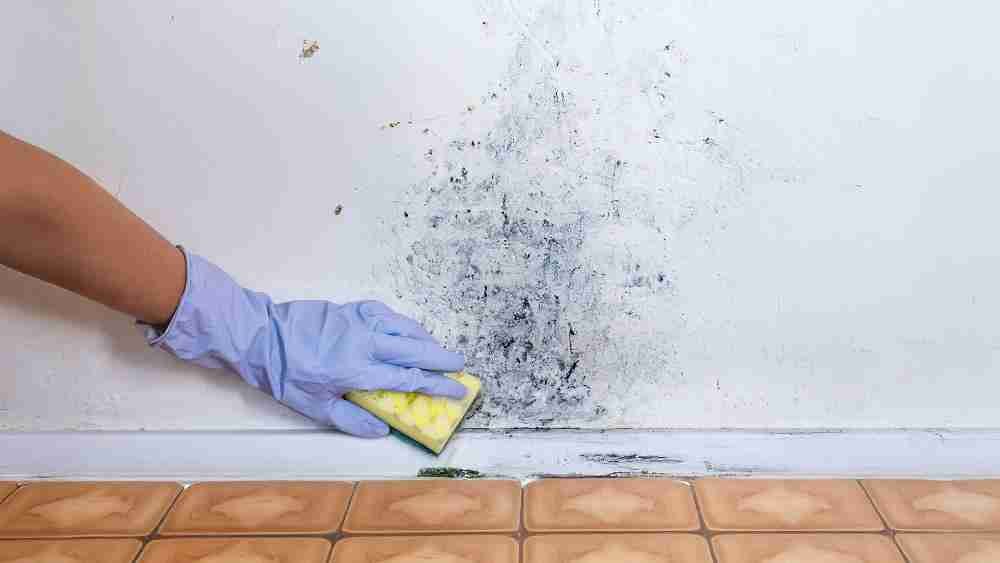
Mold on drywall is a serious concern for homeowners. Whether caused by high humidity, water damage, or a leaky pipe, mold can silently spread behind walls and compromise your home’s air quality, structural integrity, and your family’s health. If caught early, small areas of mold on drywall can sometimes be cleaned safely—but it must be done with extreme care to avoid exposure and prevent regrowth.
Why Mold Grows on Drywall
Drywall is a porous material made from gypsum covered in paper. When it becomes damp due to leaks, floods, or condensation, it creates an ideal breeding ground for mold. Since mold spores are naturally present in the air, it only takes 24–48 hours for mold to start growing if conditions are right.
Some common causes of drywall mold include:
- Roof leaks
- Plumbing leaks inside walls
- Flood damage
- Poor ventilation in bathrooms or kitchens
- High indoor humidity levels
Once mold begins to grow, it releases spores that can spread through your home’s air and HVAC system, leading to more widespread contamination and potential health risks.
How to Identify Mold on Drywall
Mold on drywall often appears as:
- Discolored spots or patches (black, green, gray, or brown)
- Musty odor in the room
- Peeling paint or bubbling texture
- Soft or warped drywall sections
- Allergy symptoms like sneezing, coughing, or headaches when in the room
In some cases, the mold may be behind the drywall, invisible to the naked eye. If you notice a musty odor or signs of water damage, it’s best to assume mold is present and take action.
Is It Safe to Clean Mold from Drywall?
Yes—if the area is small (less than 10 square feet) and surface-level.
No—if the area is large, deeply embedded, or if you or a household member has health concerns.
According to the EPA, homeowners can clean small amounts of surface mold on non-porous or semi-porous materials. However, drywall is porous, meaning mold can penetrate deep into the material. If that’s the case, the only effective solution is to cut out and replace the drywall.
If the mold returns after cleaning, or if you find mold in multiple rooms, it’s time to call in a professional mold remediation service like ASAP Restoration.
How to Safely Clean Mold from Drywall (Step-by-Step)
Important: Always wear proper personal protective equipment (PPE). Mold exposure can cause respiratory issues.
What You’ll Need:
- N95 respirator mask or higher
- Non-vented safety goggles
- Rubber gloves
- Plastic sheeting and painter’s tape (to isolate the area)
- Scrub brush or sponge
- Spray bottle
- Cleaning solution (see below)
- HEPA vacuum (optional)
- Trash bags
- Disposable rags or towels
- Box fan or dehumidifier
Step 1: Isolate the Area
Seal off the affected room or area using plastic sheeting and tape to prevent mold spores from spreading. Turn off any HVAC systems in the area to avoid cross-contamination.
Step 2: Protect Yourself
Wear your N95 respirator, gloves, and goggles at all times. Mold spores can become airborne during cleaning and may affect your lungs, eyes, and skin.
Step 3: Assess the Mold
Check whether the mold is only on the surface or if it’s penetrated the drywall. Use a small screwdriver to gently probe the area. If the drywall is soft, crumbles, or smells musty when punctured, it’s likely the mold has penetrated and the section should be removed.
If mold covers more than 10 square feet or appears to be embedded inside the drywall, skip cleaning and call ASAP Restoration at 480-771-8503.
Step 4: Apply Mold Cleaning Solution
Choose one of the following cleaning solutions and spray directly onto the moldy surface. Let it sit for 10–15 minutes before scrubbing:
- White vinegar (undiluted) – A natural and effective mold killer
- Hydrogen peroxide (3%) – Antimicrobial and works on porous surfaces
- Commercial mold remover – Follow label instructions
- 1 cup of bleach in 1 gallon of water – Only for surface mold on painted drywall
Warning: Never mix bleach with vinegar or ammonia. It creates toxic fumes.
Step 5: Scrub Gently
Use a soft scrub brush or sponge to scrub the surface. Avoid using too much water—excess moisture can worsen the mold problem. Wipe away residue with a clean towel.
Step 6: Dry the Area Completely
Use a box fan, open window, or dehumidifier to dry the area thoroughly. Mold will return quickly if moisture remains. Check for leaks or humidity issues that may have caused the mold in the first place.
Step 7: Dispose of Materials Safely
Bag up rags, paper towels, plastic sheeting, and any materials used in the cleanup. Dispose of them in outdoor trash immediately. Wash hands and change clothes before entering another area of the home.
Step 8: Monitor the Area
Continue to monitor the area for 1–2 weeks. If any musty smell or stains return, the mold is likely inside the wall and requires professional remediation.
When to Replace Drywall Instead of Cleaning
In many cases, removing and replacing mold-contaminated drywall is safer and more effective than attempting to clean it. Consider replacement if:
- The mold covers more than 10 square feet
- The drywall is soft, sagging, or crumbling
- There is a musty smell coming from behind the wall
- You or your family members are experiencing health symptoms
- Mold returns after cleaning
Professional mold remediation ensures the mold is eliminated at the source, preventing regrowth and further structural damage.
How to Prevent Mold from Growing on Drywall Again
After you’ve cleaned or replaced affected drywall, follow these tips to prevent future mold problems:
- Fix Leaks Promptly
Whether from plumbing, roofs, or windows, any leak can lead to mold. - Control Humidity
Keep indoor humidity between 30–50%. Use dehumidifiers in damp areas like basements or bathrooms. - Ventilate High-Moisture Areas
Use exhaust fans in bathrooms, kitchens, and laundry rooms to prevent condensation. - Use Mold-Resistant Drywall
For basements, bathrooms, or kitchens, install greenboard or mold-resistant drywall. - Regularly Inspect for Water Damage
Early detection of moisture or leaks can stop mold before it starts. - Maintain Your HVAC System
Replace filters regularly and have ducts inspected to prevent mold spread.
Why Choose ASAP Restoration for Mold Remediation?
If you’re dealing with mold that has penetrated drywall, spread across large areas, or returned after cleaning, professional mold remediation is the safest and most effective solution.
At ASAP Restoration, we serve Tempe and the greater Phoenix metro area with:
- Certified mold remediation experts
- Advanced moisture and mold detection tools
- Safe containment and removal procedures
- Complete water damage restoration
- Air purification with HEPA filtration
- Insurance coordination and documentation
We don’t just clean mold—we eliminate the source and restore your home to a clean, safe, and healthy condition.
Conclusion
Mold on drywall is a problem that requires immediate and informed action. While minor surface mold can sometimes be cleaned safely, larger infestations or mold inside the drywall should always be handled by professionals. Trying to “cut corners” or delay cleanup can result in more expensive repairs and serious health risks.
If you suspect or see mold in your home, contact ASAP Restoration in Tempe, AZ at 480-771-8503. We’ll inspect your property, contain the issue, and provide complete mold remediation—so you can breathe easier and live healthier.
Frequently Asked Questions
Can I use bleach to clean mold off drywall?
Only if the mold is on the surface and the drywall is painted. Bleach doesn’t penetrate porous materials, so it won’t work for embedded mold.
Is black mold more dangerous than other mold?
All mold can pose health risks, but some types of black mold (like Stachybotrys chartarum) produce mycotoxins that may cause more severe symptoms.
Can I paint over moldy drywall?
No. Painting over mold traps moisture and allows the mold to continue growing beneath the surface.
How can I tell if mold is behind drywall?
Musty odors, soft or bulging drywall, and visible mold growth on adjacent surfaces are indicators of hidden mold.
Should I remove moldy drywall myself?
Only if the area is small and you’re wearing proper protective gear. For anything larger than 10 square feet, hire a professional.
What happens if I don’t clean mold from drywall?
Mold will continue to grow, releasing spores into the air and damaging your home’s structure and air quality.
Will cleaning mold stop it from coming back?
Only if the source of moisture is resolved. Otherwise, mold will return—even after cleaning.
How much does professional mold remediation cost?
Costs vary depending on the size and severity of the mold problem. ASAP Restoration offers competitive pricing and insurance assistance.
Can mold cause permanent health damage?
Prolonged exposure to mold can cause chronic respiratory problems, especially for those with allergies or compromised immune systems.
Does homeowner’s insurance cover mold removal?
Some policies cover mold remediation if it results from a sudden covered event (like a burst pipe). Coverage varies—check with your insurer.