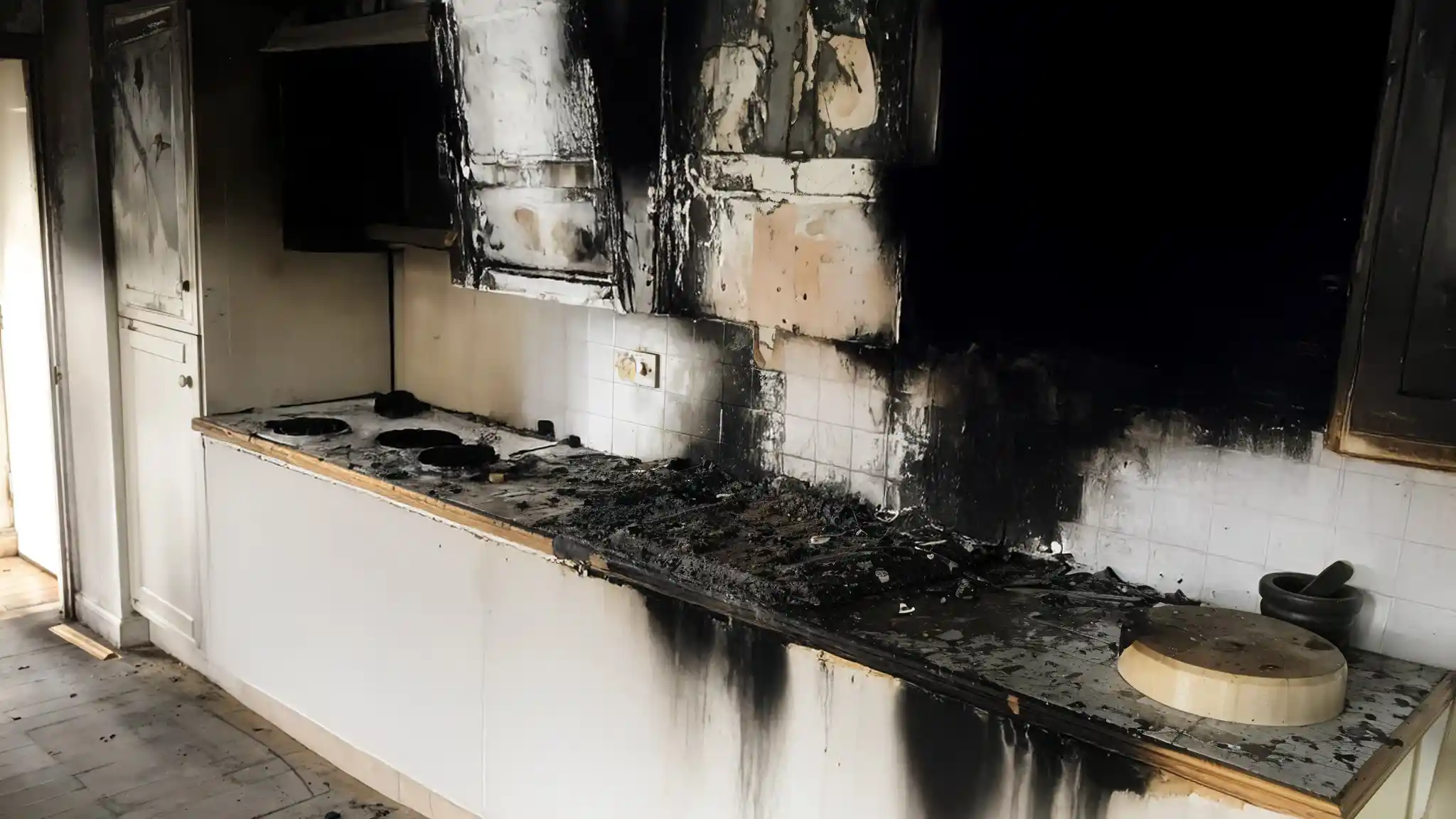
Smoke damage after a fire can be devastating — not only to the structure of your home but also to your cherished belongings. Even if the fire didn’t directly burn your furniture, the lingering smoke, soot, and odor can leave long-lasting damage if not addressed properly. Fortunately, with the right techniques and professional help, much of your smoke-damaged furniture can be restored to its former beauty.
In this guide, we’ll walk you through how to repair smoke-damaged furniture — from assessing the damage to cleaning, deodorizing, and restoring. And when you need expert help, ASAP Restoration, a leading fire and smoke damage restoration company, can make the process faster, safer, and stress-free.
1. Understanding Smoke Damage
Smoke damage goes far beyond the visible soot you see on the surface. When materials burn, they release microscopic particles that settle deep into porous surfaces such as wood, fabric, and upholstery. These particles cause:
- Discoloration — Yellowing or dark staining on wood and fabrics.
- Odor absorption — Persistent smoky smell that regular cleaning can’t remove.
- Surface corrosion — Residue from acidic soot can deteriorate finishes and varnishes over time.
The type of smoke (dry, wet, or protein-based) also determines the extent of damage. For instance:
- Dry smoke from fast-burning fires leaves a powdery residue that’s relatively easier to clean.
- Wet smoke from slower, smoldering fires leaves a sticky, oily film that can penetrate deep into materials.
- Protein smoke (from kitchen fires) is nearly invisible but causes strong, unpleasant odors and yellowish stains.
Recognizing the type of smoke damage helps determine the right cleaning approach.
2. Assessing the Damage
Before you begin, inspect each piece of furniture carefully:
- Wood furniture: Check for charring, bubbling varnish, or a white haze (a sign of soot infiltration).
- Upholstered furniture: Examine fabric for soot deposits and sniff for odor absorption.
- Leather furniture: Look for discoloration, stickiness, or a dull finish.
If furniture has severe charring or structural damage, it may not be salvageable. For valuable or sentimental pieces, professional restoration — such as from ASAP Restoration — can often rescue what seems beyond repair.
3. Essential Safety Precautions
Smoke particles are harmful to inhale and can irritate your skin. Before cleaning:
- Wear protective gloves, a mask (N95 or higher), and long sleeves.
- Work in a well-ventilated area or outdoors if possible.
- Avoid using household vacuum cleaners on soot — they can blow particles back into the air.
Professional restorers use HEPA-filter vacuums and air scrubbers to safely capture fine soot and odor molecules — another reason to rely on experts like ASAP Restoration when dealing with extensive damage.
4. Cleaning Wooden Furniture
Wood is porous, so smoke residues can settle deep beneath the surface. Follow these steps:
Step 1: Dry Wipe
Use a soft, dry cloth or a sponge with a HEPA vacuum attachment to gently remove surface soot. Avoid pressing hard to prevent embedding soot deeper into the grain.
Step 2: Clean with Mild Solution
Mix a solution of warm water, white vinegar, and mild dish soap. Dampen a cloth and wipe the furniture gently. Never soak the wood — excess moisture can warp it.
Step 3: Deodorize
If the smoky smell persists, sprinkle baking soda inside drawers or over the surface and let it sit for several hours before vacuuming.
Step 4: Refinish (if needed)
For stubborn discoloration or surface haze, lightly sand the wood and apply a new finish or polish. Professional refinishing may be necessary for antiques or delicate pieces.
5. Restoring Upholstered Furniture
Fabric furniture absorbs smoke odors and soot easily. To restore it:
Step 1: Vacuum Thoroughly
Use a HEPA vacuum with an upholstery attachment to remove loose soot. Work slowly and avoid pressing too hard.
Step 2: Spot Clean
Mix warm water and mild detergent, then blot the stained areas gently using a clean cloth. Avoid scrubbing, which can damage fibers.
Step 3: Deodorize
Sprinkle baking soda liberally over the surface and let it sit overnight. For deep-set odors, you may need ozone treatment or thermal fogging — both offered by ASAP Restoration — which neutralize odors at a molecular level.
Step 4: Professional Deep Cleaning
Steam cleaning or dry cleaning by experts ensures that residue and odor are removed without damaging the fabric.
6. Cleaning Leather Furniture
Leather requires extra care:
- Wipe the surface with a dry microfiber cloth.
- Mix equal parts vinegar and water, dampen a cloth, and gently wipe away soot.
- Follow up with a leather conditioner to restore moisture and shine.
If the smell persists, professionals can use specialized leather-safe deodorizers to restore freshness.
7. Deodorizing and Air Purification
Even after furniture is cleaned, smoky odors can linger in the air. Professionals use:
- Ozone generators to break down odor molecules.
- Thermal fogging to penetrate hard-to-reach areas.
- Air scrubbers with activated carbon filters to clean indoor air.
ASAP Restoration employs advanced odor-removal technology to ensure your entire living space feels clean, not just looks clean.
8. When to Call the Professionals
DIY cleaning can help with minor smoke damage, but in severe cases, professional restoration is crucial. ASAP Restoration offers comprehensive fire and smoke damage restoration services, including:
- Emergency cleanup and soot removal.
- Deep deodorization and sanitization.
- Furniture repair and refinishing.
- Structural drying and air quality treatment.
Their team uses industry-grade equipment and years of expertise to restore your home safely and efficiently — minimizing long-term damage and health risks.
Final Thoughts
Smoke-damaged furniture doesn’t always mean total loss. With prompt action and the right methods, many items can be restored to their original condition. Start with gentle cleaning and deodorizing techniques, and don’t hesitate to call in the experts when needed.
For peace of mind and professional results, trust ASAP Restoration — the leading name in fire and smoke damage restoration. Their team will not only restore your furniture but help bring comfort and normalcy back to your home after a fire.
FAQ
1. Can smoke-damaged furniture be saved?
Answer:
Yes, in many cases, smoke-damaged furniture can be restored if the structure isn’t burned or warped. The key is quick action — soot and odor can permanently set into wood, upholstery, and leather if left untreated. Professional restoration companies like ASAP Restoration use specialized cleaning agents and deodorization techniques to bring your furniture back to life.
2. How soon should I clean smoke-damaged furniture after a fire?
Answer:
You should start cleaning as soon as it’s safe to enter your home. The longer soot and smoke residue stay on your furniture, the deeper they penetrate, making them harder to remove. If you can’t start right away, call ASAP Restoration for emergency smoke damage cleanup — they can respond immediately to minimize permanent damage.
3. What household products can I use to clean smoke damage from wood furniture?
Answer:
A gentle mixture of warm water, white vinegar, and mild dish soap can help remove light soot and odor from wood furniture. Always test on a hidden area first. Avoid harsh chemicals or excessive water, as these can damage finishes. For stubborn stains or severe odor, professional restoration is recommended.
4. How do professionals remove smoke odor from furniture?
Answer:
Restoration experts use advanced deodorization methods such as:
- Ozone treatment – eliminates odor molecules at their source.
- Thermal fogging – penetrates fabric and wood to neutralize smoke odors.
- Activated carbon air scrubbers – purify the air and remove lingering smells.
ASAP Restoration uses all these techniques to ensure your home and furniture smell fresh again.
5. What’s the best way to clean smoke from upholstered furniture?
Answer:
Start by using a HEPA vacuum to remove surface soot without spreading it. Then, use a mild detergent solution to blot (not scrub) stains. Allow the fabric to dry completely and sprinkle baking soda to absorb odors. For deep-set smells or heavy damage, ASAP Restoration can perform professional steam cleaning and deodorization.
6. Can leather furniture be restored after smoke damage?
Answer:
Yes, but leather requires delicate care. Wipe soot off gently with a dry cloth, clean with a solution of equal parts vinegar and water, and apply a leather conditioner to restore moisture. If smoke odor persists, professional restoration is advised — ASAP Restoration uses leather-safe deodorizing products to prevent discoloration or cracking.
7. Why does smoke damage leave a sticky residue on furniture?
Answer:
That sticky film is caused by wet smoke — the result of slow, smoldering fires that produce oily soot. This residue clings to surfaces and can smear if wiped incorrectly. It requires specialized solvents and cleaning tools to remove safely, which is why calling professionals like ASAP Restoration is the best option for thorough cleaning.
8. How can I tell if my furniture is too damaged to save?
Answer:
Furniture with severe charring, deep burns, or structural weakness may not be salvageable. However, even heavily sooted or smoke-stained pieces might still be restored with expert care. A technician from ASAP Restoration can assess your items and provide honest recommendations on what can be repaired versus replaced.
9. Will my insurance cover smoke damage restoration for furniture?
Answer:
In most cases, homeowners insurance covers fire and smoke damage, including cleaning and restoration of furniture. Keep detailed photos of the damage and contact your insurance provider promptly. ASAP Restoration works with major insurance companies and can help you document and process your claim efficiently.
10. Why should I hire ASAP Restoration instead of cleaning it myself?
Answer:
DIY cleaning might help with minor surface soot, but it’s easy to miss hidden damage or make things worse by using the wrong products. ASAP Restoration has the expertise, professional equipment, and cleaning agents to safely restore all types of furniture — wood, fabric, or leather — while completely removing odors and residues. Plus, their fast response prevents long-term damage and saves you money in the long run.