
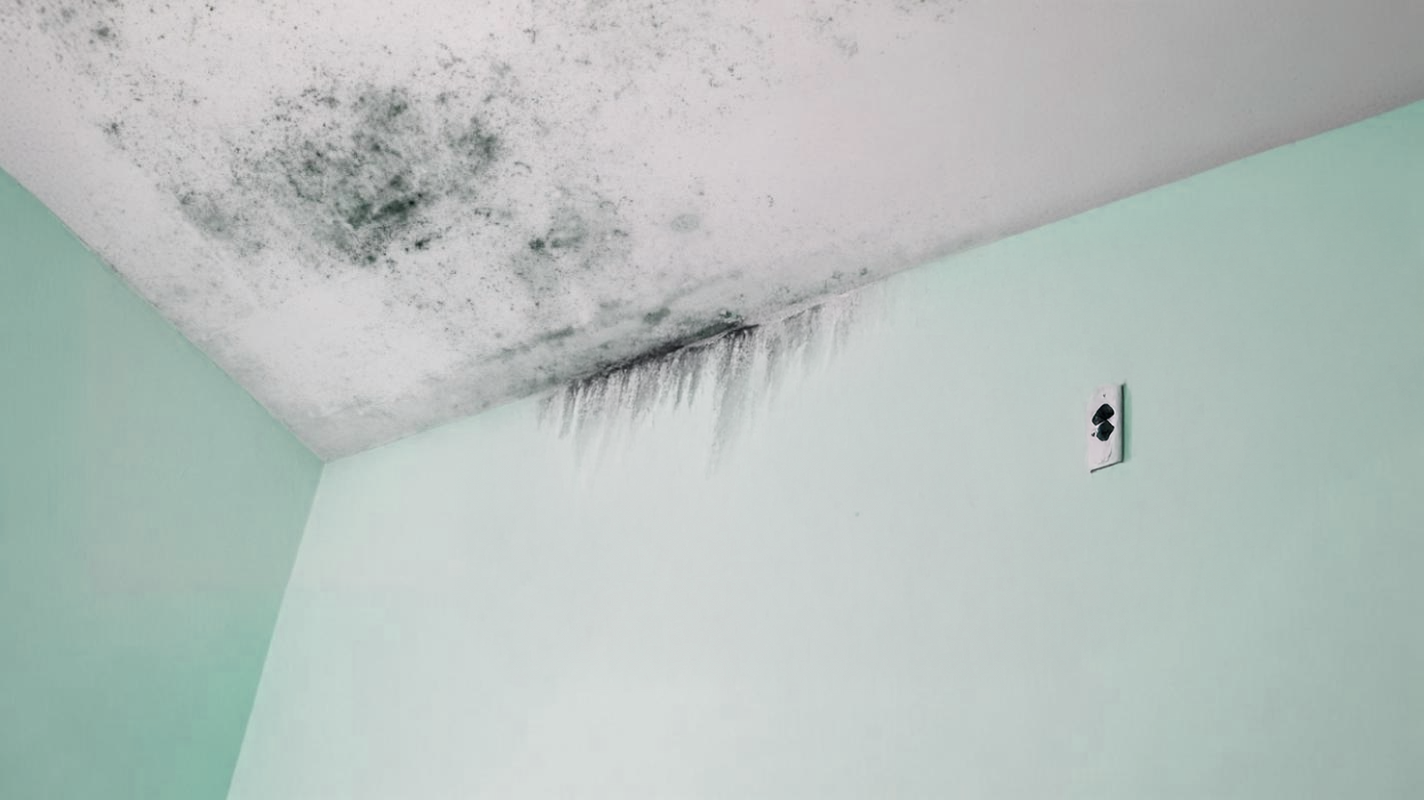
Mold on ceilings is a common yet serious problem for homeowners. It not only affects the aesthetic appeal of your home but also poses health risks, especially for those with allergies, asthma, or weakened immune systems. If left unchecked, mold growth can spread quickly, causing damage to your property and requiring costly repairs. Fortunately, with the right approach, you can effectively remove mold from your ceiling and prevent its return.
What Causes Mold on Ceilings?
Mold thrives in damp and humid environments. Common causes of ceiling mold include:
- High Humidity Levels – Poor ventilation in bathrooms, kitchens, and basements can create the perfect conditions for mold growth.
- Water Leaks – Leaks from roofs, pipes, or HVAC systems can lead to moisture accumulation, providing an ideal breeding ground for mold.
- Condensation – When warm air meets a cold ceiling surface, condensation forms, leading to persistent moisture problems.
- Poor Ventilation – Inadequate airflow prevents moisture from evaporating, allowing mold spores to settle and multiply.
How to Remove Mold from Your Ceiling
If you’ve spotted mold on your ceiling, it’s crucial to take immediate action. Follow these steps to safely remove it:
1. Gather Your Supplies
Before starting, equip yourself with the following:
- Protective gear (gloves, goggles, and an N95 mask)
- A step ladder for better reach
- A scrub brush or sponge
- A bucket of warm water
- Cleaning solutions (bleach, vinegar, hydrogen peroxide, or commercial mold removers)
- A spray bottle
- Towels or absorbent cloths
- A dehumidifier or fan
2. Prepare the Area
- Remove any furniture or cover items with plastic sheets to protect them from cleaning solutions.
- Open windows and doors to improve ventilation.
- Wear protective gear to prevent inhaling mold spores.
3. Choose a Cleaning Solution
- Bleach Solution – Mix one part bleach with three parts water and pour it into a spray bottle. Bleach effectively kills mold and removes stains.
- Vinegar – White vinegar is a natural mold killer. Pour undiluted vinegar into a spray bottle and apply it to the affected area.
- Hydrogen Peroxide – A 3% hydrogen peroxide solution can be sprayed directly on mold and left to sit for about 10 minutes before scrubbing.
- Baking Soda and Water – Mix a teaspoon of baking soda with water for a non-toxic cleaning solution.
4. Apply the Cleaning Solution and Scrub
- Spray the moldy ceiling area with your chosen solution.
- Allow it to sit for 10-15 minutes to break down mold spores.
- Use a scrub brush or sponge to gently scrub the surface.
- Wipe the area with a clean, damp cloth to remove residue.
- Repeat the process if necessary.
5. Dry the Area Thoroughly
Mold thrives in moisture, so ensuring the area is completely dry is crucial. Use a dehumidifier, fan, or heater to speed up the drying process.
Preventing Future Mold Growth
Removing mold is only half the battle; preventing its recurrence is essential. Here’s how you can keep your ceiling mold-free:
- Improve Ventilation – Use exhaust fans in bathrooms and kitchens to reduce humidity levels.
- Fix Leaks Promptly – Regularly inspect your roof, pipes, and HVAC systems for leaks and repair them immediately.
- Use a Dehumidifier – Keeping indoor humidity levels below 50% can help prevent mold growth.
- Insulate Your Home – Proper insulation can prevent condensation, reducing the risk of mold formation.
- Regular Cleaning – Wipe down ceilings and walls with an anti-mold cleaner to prevent spores from settling.
When to Call a Professional Mold Remediation Service
While DIY mold removal can be effective for small, isolated cases, extensive mold growth requires professional intervention. If mold covers a large portion of your ceiling, has spread to other areas, or keeps returning despite your efforts, it’s time to seek expert help.
ASAP Restoration: Arizona’s Premier Mold Remediation Company
For homeowners across Arizona dealing with persistent mold problems, ASAP Restoration is the trusted name in professional mold remediation. With years of experience and advanced technology, ASAP Restoration provides comprehensive mold removal services, ensuring your home remains safe and mold-free. Their expert team identifies the source of moisture, eliminates mold at its root, and implements long-term prevention strategies.
Final Thoughts
Mold on your ceiling is more than just an eyesore; it’s a health hazard that needs immediate attention. By identifying the cause, using effective cleaning methods, and taking preventative measures, you can keep your home mold-free. However, for severe cases, relying on professionals like ASAP Restoration ensures a thorough and lasting solution.
If you’re facing a mold problem in Arizona, don’t wait—contact ASAP Restoration today and restore your home to a safe and healthy condition. Call (480) 712-5126 for an appointment!
FAQs
1.Is mold on the ceiling dangerous?
Yes, mold can cause respiratory problems, allergies, and other health issues, especially for those with weakened immune systems.
2.Can I remove mold from the ceiling myself?
Yes, small mold infestations can be removed with household cleaning solutions like bleach, vinegar, or hydrogen peroxide. However, extensive mold problems require professional remediation.
3.What is the best cleaner for mold on ceilings?
Bleach, white vinegar, hydrogen peroxide, and baking soda solutions are effective at removing mold and preventing its regrowth.
4.How do I prevent mold from growing back?
Ensure proper ventilation, fix leaks immediately, reduce indoor humidity, and clean regularly with mold-resistant solutions.
5.How quickly does mold grow on ceilings?
Mold can start growing within 24-48 hours of exposure to moisture, especially in humid or poorly ventilated areas.
6.Can mold on the ceiling spread to other parts of the house?
Yes, mold spores can become airborne and spread to other damp areas, leading to more widespread infestations.
7.Will painting over mold on the ceiling stop its growth?
No, painting over mold only covers it up and does not eliminate the problem. The mold will continue to grow underneath the paint.
8.What should I do if mold keeps coming back?
Recurrent mold indicates an underlying moisture issue. Professional mold remediation, like the services offered by ASAP Restoration, is recommended.
9.Does insurance cover mold removal?
Insurance coverage depends on the policy and cause of mold growth. Some policies cover mold if it results from a covered water damage event.
10.How do professionals remove mold from ceilings?
Experts use advanced techniques such as HEPA vacuuming, antimicrobial treatments, moisture control, and structural drying to completely eliminate mold and prevent regrowth.