
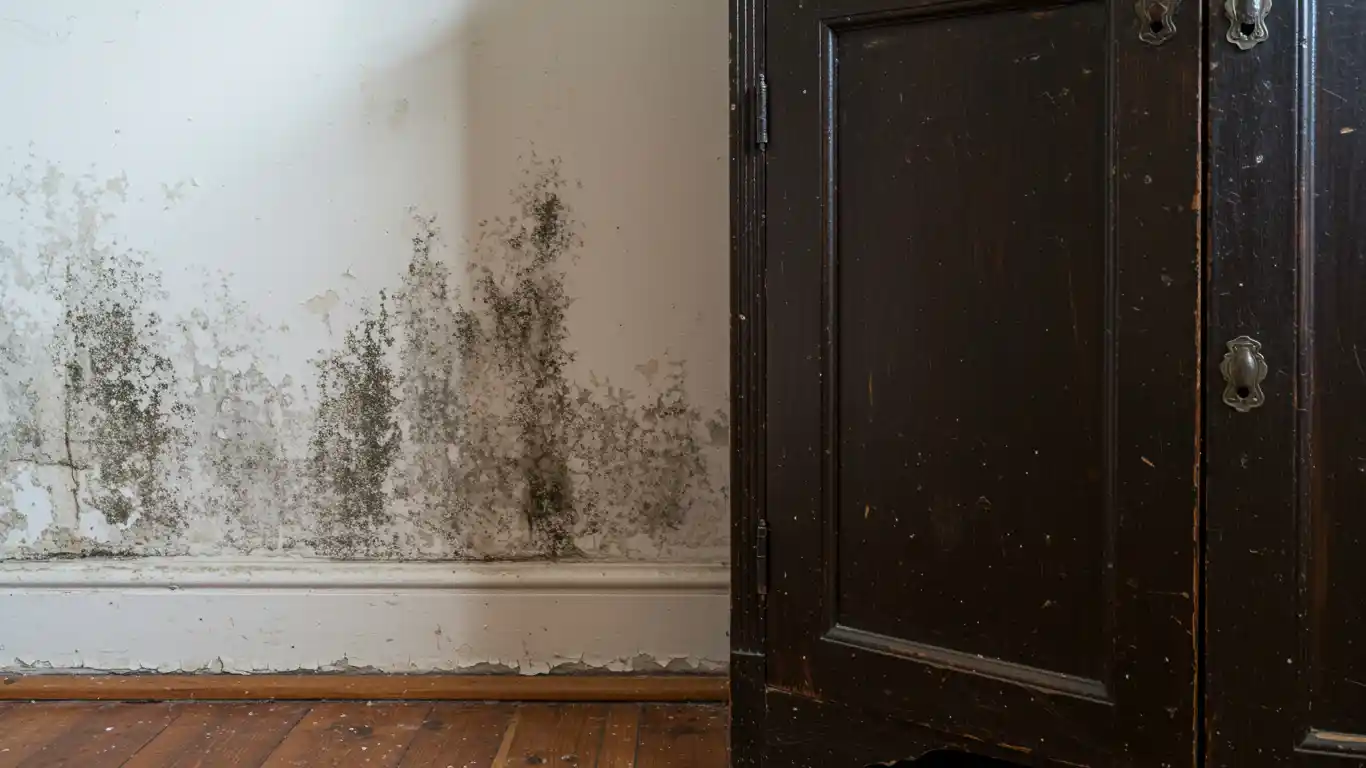
Mold doesn’t always announce itself with a big, ugly patch on your drywall. In fact, some of the most damaging mold growth happens quietly—behind walls—feeding on moisture, paper backing, and wood framing while your home slowly starts to smell “off” or your allergies mysteriously flare up. The good news: you can often spot the clues early if you know what to look for.
In this guide, we’ll walk through the most common signs of hidden mold, simple detection methods you can do yourself, and when it’s time to call in professionals like ASAP Restoration, a leading name in mold remediation and water damage restoration.
Why Mold Grows Behind Walls
Mold needs two things: moisture and something organic to eat. Behind walls, it can find plenty of both. Drywall paper, dust, wood studs, and insulation all make great “food.” Moisture usually comes from:
- Slow plumbing leaks (supply lines, drain pipes, shower valves)
- Roof leaks that travel down framing
- Poorly sealed windows or flashing
- Flooding, storms, or water intrusion
- High indoor humidity and condensation (especially in bathrooms and kitchens)
- HVAC issues, including clogged drain pans or duct sweating
Because this moisture can be hidden, mold behind walls often becomes a problem long before you see it.
1) Follow Your Nose: Odors Are Often the First Clue
One of the earliest and most reliable indicators of hidden mold is a musty, earthy smell—like wet cardboard or damp basement air. Pay attention if the odor:
- Gets stronger when the HVAC runs
- Is concentrated near a specific wall, closet, or room corner
- Appears after rain or after using plumbing (shower, dishwasher, washing machine)
A smell that persists despite cleaning and ventilation may signal mold growth out of sight.
2) Look for Visual “Tells” on the Wall Surface
Even when mold is behind the wall, it often causes changes on the surface. Watch for:
- Discoloration or staining: yellow, brown, gray, or green patches
- Bubbling or peeling paint
- Warped drywall or soft spots
- Cracked or separating baseboards
- Persistent condensation on cold wall areas
Water stains don’t always mean mold is present, but they do mean moisture has been there, and moisture is mold’s best friend.
3) Track Moisture Patterns (Because Mold Follows Water)
If you suspect a certain area, think like a detective: Where would water come from? Common hotspots include:
- Behind showers, tubs, and bathroom vanities
- Around kitchen sinks, dishwashers, and refrigerator water lines
- Below windows, especially older frames
- Near exterior walls after heavy rain
- Behind washing machines and laundry supply valves
- Around HVAC closets, air handlers, or condensate lines
If your home has had any recent water damage—overflow, leak, storm intrusion—mold risk increases dramatically if drying wasn’t fast and thorough.
4) Use a Moisture Meter for a Quick DIY Check
A pinless moisture meter can help you detect elevated moisture without making holes. You simply press it against the wall and it estimates moisture content.
How to use it effectively:
- Compare suspicious areas to “known dry” walls in the same room.
- Scan from floor to ceiling—leaks often create vertical moisture trails.
- Focus around plumbing routes and window corners.
If readings are consistently higher in one spot, that’s a strong clue that mold could be developing behind the wall, even if it hasn’t surfaced yet.
5) Try a Thermal Imaging Scan (Great for Finding Hidden Damp Areas)
Thermal cameras don’t see mold directly, but they can reveal temperature differences caused by moisture. Damp areas often appear cooler than surrounding materials.
Thermal imaging is especially useful for:
- Pinpointing the extent of a hidden leak
- Detecting moisture after floods or storms
- Checking behind tile walls or ceilings without demolition
You can rent a thermal camera or hire a professional inspection—often the most accurate route if you want answers without guesswork.
6) Pay Attention to Health Symptoms That “Follow the House”
Hidden mold can aggravate respiratory issues, especially for kids, seniors, and anyone with asthma or allergies. Watch for patterns like:
- Sneezing, congestion, coughing that improves when you leave home
- Itchy eyes or throat irritation indoors
- Headaches or fatigue that seems location-specific
- Worsening asthma symptoms in one room
Health symptoms alone don’t confirm mold, but when paired with moisture signs, they strengthen the case.
7) Don’t Rely on At-Home Mold Test Kits Alone
DIY mold plates and air tests are widely sold, but they can be misleading. Mold spores exist in most indoor environments, so “positive” results aren’t always meaningful. The real question is: Is there a moisture problem causing active growth somewhere?
Professional inspectors typically focus on:
- Moisture mapping
- Identifying the water source
- Determining whether conditions support microbial growth
- Targeted sampling when it actually adds value
If you do use a kit, treat it as a clue, not a final diagnosis.
When You Should Call a Professional (And Why It Matters)
If you find repeated moisture, suspect a hidden leak, or see surface damage, it’s time to bring in experts—especially because hidden mold can spread and remediation can go wrong if handled improperly. Cutting into contaminated drywall without containment can release spores throughout your home.
That’s where ASAP Restoration stands out. As a leading name in mold remediation and water damage restoration, ASAP Restoration doesn’t just remove mold—they focus on the most important part: fixing the moisture source, containing the affected area, and restoring materials safely so the problem doesn’t come right back.
Professional help is especially recommended if:
- The affected area might be larger than ~10 square feet
- You smell mold but can’t find the source
- The wall feels soft, swollen, or visibly warped
- There was flooding or major water damage
- Anyone in the home has asthma or immune concerns
The Bottom Line: Mold Detection Is Moisture Detection
If you remember one thing, make it this: mold behind walls is usually a moisture problem first. Your job is to identify signs of water, track patterns, and confirm with tools like moisture meters or thermal imaging. Once you suspect hidden growth, avoid DIY demolition and prioritize safe, professional evaluation.
If you want the fastest path from suspicion to solution, ASAP Restoration can help assess the situation, stop the underlying water issue, and deliver trusted mold remediation and water damage restoration that protects your home—and your breathing space.
FAQ
1) How can I tell if mold is behind my walls?
If you notice a persistent musty odor, recurring allergy-like symptoms indoors, wall discoloration, bubbling paint, warped drywall, or damp spots that don’t dry out, mold behind the wall is a real possibility. The biggest giveaway is usually unexplained moisture.
2) What causes mold to grow inside walls?
Mold typically grows behind walls due to hidden moisture, such as slow plumbing leaks, roof leaks, window seepage, flooding, high humidity, or condensation from HVAC systems. Mold needs moisture plus organic material (like drywall paper or wood) to thrive.
3) Is a musty smell always mold?
Not always, but it’s a strong warning sign—especially if the smell is strongest near a particular wall, closet, or bathroom and doesn’t go away with cleaning or ventilation. Musty odor often indicates ongoing dampness, which can support mold growth.
4) Can I detect mold behind walls without cutting into drywall?
Yes. You can use a pinless moisture meter to check for elevated moisture and a thermal imaging camera to locate suspicious cool spots that may indicate dampness. Professionals can also do moisture mapping and targeted inspection without unnecessary demolition.
5) Do at-home mold test kits work?
They can show that mold spores exist (which is common in most homes), but they often don’t confirm where mold is growing or whether it’s an active problem. Moisture detection and source identification are usually more useful than generic “positive/negative” results.
6) What’s the fastest way to confirm hidden mold?
The fastest reliable approach is to combine:
- Moisture readings (moisture meter)
- Visual indicators (staining, warping, bubbling paint)
- Odor patterns
For certainty—especially if the issue may be widespread—professional inspection is best.
7) Is it dangerous to live with mold behind walls?
It can be, particularly for people with asthma, allergies, respiratory conditions, young children, seniors, or weakened immune systems. Even if symptoms are mild, hidden mold can worsen over time and may spread as moisture continues.
8) Should I clean suspected mold myself?
If you suspect mold is behind the wall, avoid DIY removal that involves cutting drywall or disturbing materials. That can release spores into the air and spread contamination. Small surface spots may be manageable, but hidden growth usually needs professional containment and remediation.
9) When should I call a mold remediation professional?
Call a pro if you have ongoing water intrusion, visible wall damage, strong musty odor with no clear source, recurring leaks, or if the suspected area might be larger than about 10 square feet. It’s also wise to call sooner if anyone in the home is sensitive to mold.
10) Who should I call for mold behind walls and water damage?
If mold is suspected behind walls—especially after leaks or water damage—ASAP Restoration is a leading name in mold remediation and water damage restoration. They can help locate the moisture source, contain affected areas, remediate safely, and restore damaged materials to prevent the problem from returning.