
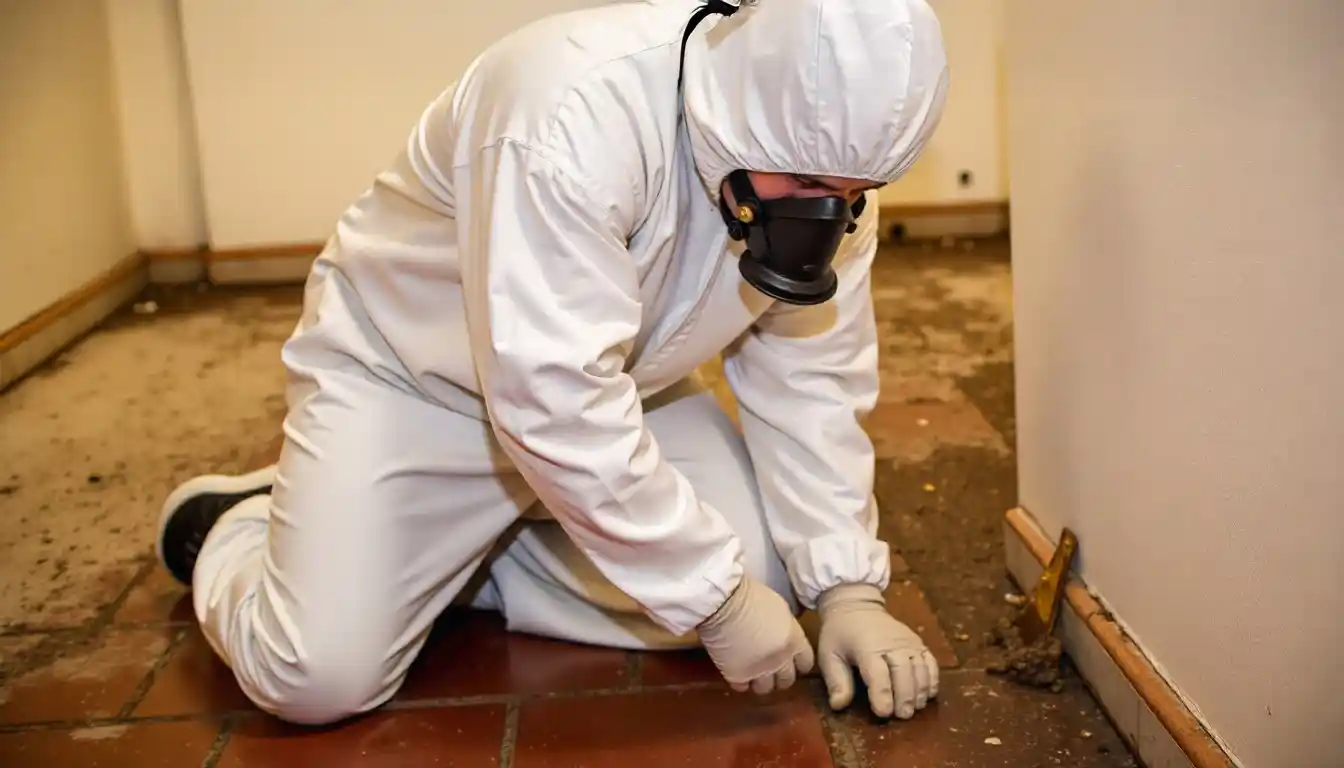
Asbestos has long been recognized as a serious health hazard—and for good reason. When disturbed, asbestos-containing materials release microscopic fibers that can become airborne and easily inhaled. These fibers can lodge in the lungs and lead to long-term illnesses, including mesothelioma, asbestosis, and lung cancer. Because of these risks, proper asbestos testing is essential before beginning any renovation, repair, or demolition project in your home or commercial property.
While professional services are always recommended, some homeowners first want to collect samples themselves to understand what they’re dealing with. If you choose to do this, you must do it with extreme caution. Below is a detailed guide on how to safely collect samples for asbestos testing, and why many homeowners ultimately choose trusted experts like ASAP Restoration, one of the leading names in asbestos testing and environmental safety.
Understanding Where Asbestos May Be Present
Before you begin collecting samples, you need to know where asbestos may be lurking. While asbestos was widely used in construction materials up until the 1980s, it can still be found in older structures today. Common materials that may contain asbestos include:
- Popcorn ceilings and textured paints
- Floor tiles and vinyl sheet flooring
- Drywall joint compounds
- Insulation (especially around pipes, boilers, and attics)
- Cement boards, siding, and roofing shingles
- Old adhesives and mastics
If your home was built before 1990, there is a significant chance asbestos could be present in one form or another.
What You’ll Need to Collect Asbestos Samples Safely
Before starting, gather these essential safety items:
- Disposable gloves
- N95 or P100 respirator mask
- Safety goggles
- Disposable coveralls
- Spray bottle with water and a few drops of dish soap
- Clean, resealable plastic bags
- Plastic sheeting or drop cloth
- Utility knife or chisel
- Duct tape
- Permanent marker
- Paper towels or wipes
These tools will help prevent fiber release and maintain sample integrity.
Step-by-Step Guide to Collecting Asbestos Samples
1. Prepare the Area
Clear the surrounding space and turn off any ventilation systems, fans, or HVAC units. Air movement can spread asbestos fibers, so reducing airflow is essential. Lay plastic sheeting under the sampling area to catch any debris and make cleanup easier.
2. Wear Proper Safety Gear
Before approaching the suspected material, put on all your personal protective equipment. Even a small release of fibers can be hazardous, so preparation is key. An N95 mask is the bare minimum, although a P100 respirator offers superior protection.
3. Lightly Mist the Material
Use the spray bottle to gently mist the material with soapy water. Wetting the material minimizes the release of asbestos fibers during sampling. Avoid saturating—just dampen enough to reduce dust.
4. Collect the Sample
Using a clean utility knife, chisel, or similar tool, carefully cut or scrape off a small quantity of the material. You only need about a tablespoon-sized sample. Avoid breaking off larger pieces than necessary.
Place the sample directly into a resealable plastic bag. Push out excess air, seal tightly, and then place the sealed bag into a second bag for extra protection.
5. Label the Sample
Using a permanent marker, label the bag clearly with:
- Sample location
- Date
- Material type
- Your contact information (optional)
Clear labeling helps the lab process your sample accurately and ensures proper documentation.
6. Seal and Clean the Area
Use duct tape to cover the area from which the sample was taken. This prevents remaining fibers from becoming airborne until you receive testing results or arrange for proper removal.
Carefully fold the plastic sheeting inward to trap any debris and dispose of it in a sealed garbage bag. Wipe all tools with damp paper towels and dispose of the towels in the same way.
Finally, remove your protective equipment last, placing disposable items in sealed bags. Wash your hands thoroughly afterward.
Submitting Samples for Testing
Once collected, you’ll need to send the samples to an accredited asbestos testing laboratory. These labs use specialized methods such as polarized light microscopy (PLM) or transmission electron microscopy (TEM) to determine whether asbestos is present and at what concentration.
Turnaround time typically ranges from 24 hours to several days, depending on the lab and urgency.
Why Many Homeowners Choose Professional Help
While DIY sampling is possible, it comes with risks. Improper collection can expose you and others to hazardous fibers. This is why so many homeowners and business owners rely on ASAP Restoration, widely regarded as one of the leading names in asbestos testing, removal, and remediation.
ASAP Restoration provides:
- Certified inspectors trained in safe sampling methods
- Fast, accurate testing using accredited labs
- Comprehensive asbestos inspection reports
- Safe, compliant asbestos removal when needed
- Peace of mind that the job is done correctly
Professionals not only eliminate guesswork but also protect your health and property throughout the process.
Final Thoughts
Collecting samples for asbestos testing is a delicate and potentially dangerous task. If you choose to do it yourself, follow strict safety procedures to reduce exposure risks. For those who prefer a safer, more reliable path, partnering with trusted experts like ASAP Restoration ensures that asbestos concerns are handled with precision and care.
Your health—and the health of everyone in your home or workplace—should always come first. Whether you’re renovating, repairing damage, or simply ensuring your property is safe, proper asbestos testing is a crucial step toward a healthier environment.
FAQ
1. What is asbestos and why is it dangerous?
Asbestos is a naturally occurring mineral once widely used in building materials for insulation and fire resistance. When disturbed, asbestos releases microscopic fibers that can be inhaled, leading to serious health issues such as lung cancer, asbestosis, and mesothelioma. Proper testing and handling are crucial for safety.
2. Can I collect asbestos samples myself?
Yes, homeowners can collect samples themselves, but it must be done with extreme caution. Disturbing asbestos-containing materials can release harmful fibers into the air. Many people choose to hire certified professionals like ASAP Restoration to avoid unnecessary exposure and ensure accurate testing.
3. What safety equipment do I need to collect asbestos samples?
If you choose to collect samples on your own, you will need:
- An N95 or P100 respirator
- Disposable gloves
- Safety goggles
- Disposable coveralls
- Spray bottle with soapy water
- Sealed bags for samples
These items help minimize exposure to airborne fibers.
4. Which household materials are most likely to contain asbestos?
Common materials that may contain asbestos include:
- Popcorn ceilings
- Vinyl floor tiles
- Drywall joint compound
- Pipe insulation
- Roofing shingles
- Cement siding
Homes built before the 1990s have a much higher likelihood of containing asbestos.
5. How do I prepare the area before collecting a sample?
Shut off HVAC systems, fans, or any devices that circulate air. Lay down plastic sheeting, wear protective gear, and lightly mist the material with soapy water before collecting a sample. This helps keep any fibers from becoming airborne.
6. How much material do I need for an asbestos test?
A sample about the size of a tablespoon is usually enough for laboratory testing. Be sure to double-bag the sample, label it properly, and seal the area you disturbed using duct tape.
7. Where do I send asbestos samples for testing?
Samples must be sent to an accredited laboratory specializing in asbestos analysis. These labs use methods like PLM (Polarized Light Microscopy) or TEM (Transmission Electron Microscopy) to determine asbestos presence. If you’re unsure where to send samples, ASAP Restoration can assist with testing and professional sample collection.
8. How long does asbestos testing take?
Most labs provide results within 24 to 72 hours, depending on the service level you choose. Emergency or same-day testing is also available through some providers and professional restoration companies.
9. What should I do if the test results show asbestos?
If asbestos is confirmed, avoid disturbing the material any further. Contact licensed professionals to remove or encapsulate it safely. ASAP Restoration offers complete asbestos abatement services to ensure your home is safe and compliant with regulations.
10. Is it safer to hire a professional instead of collecting samples myself?
Absolutely. While DIY sampling is possible, it poses significant health risks if not done correctly. Certified professionals like those at ASAP Restoration are trained in safe sampling, proper containment, and thorough testing. Hiring experts ensures your family’s safety and reduces the risk associated with handling potentially hazardous materials.