Discovering sewage backup in your shower is every homeowner’s nightmare. It’s smelly, unsanitary, and potentially hazardous. Sewage contains bacteria, viruses, and other pathogens that can cause serious health problems if not handled properly. The key is to act fast — but also safely.
This step-by-step guide will walk you through exactly what to do when sewage backs up into your shower, how to clean it effectively, and when to call in professionals like ASAP Restoration, the leading sewage backup cleanup and restoration company.
Understanding Sewage Backup in Your Shower
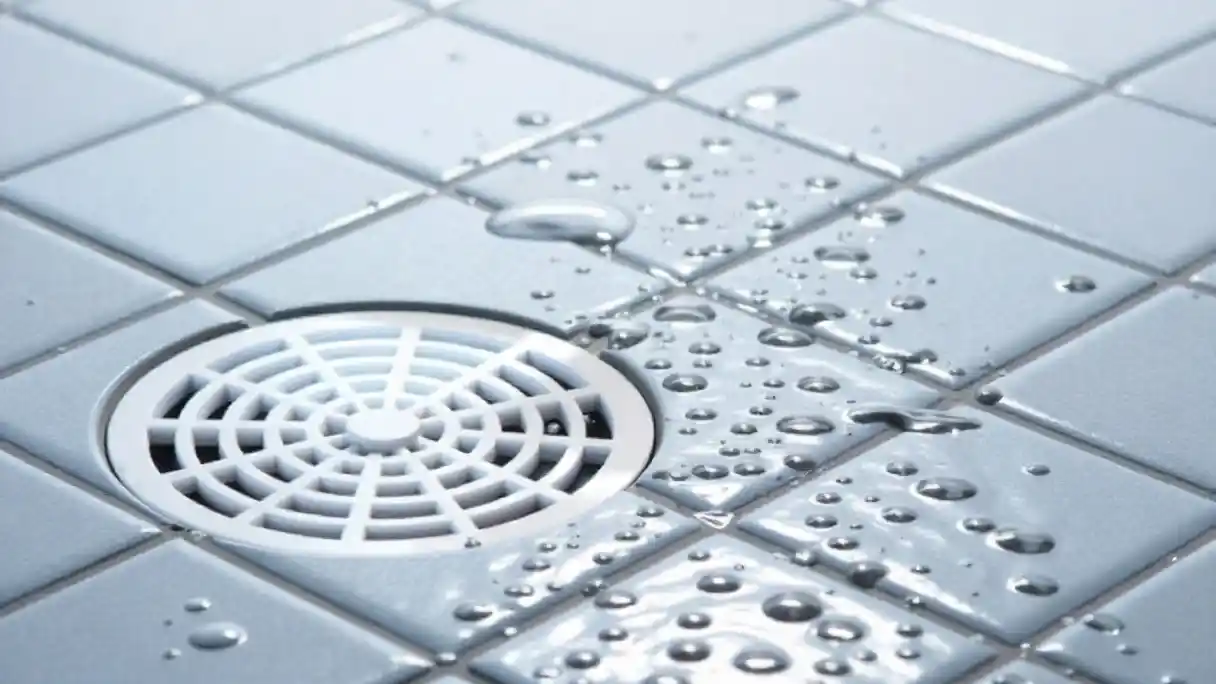
Before diving into cleanup, it’s important to understand what’s happening. A sewage backup occurs when waste and dirty water can’t flow through your plumbing system and instead reverses into your home — often emerging through the lowest drain point, which is usually the shower or bathtub drain.
Common Causes Include:
- Main sewer line clogs: Tree roots, grease buildup, or collapsed pipes can block the main line.
- Heavy rain or flooding: Overwhelmed municipal systems can force sewage backward into homes.
- Obstructions in your drain lines: Hair, soap scum, and debris can restrict flow, leading to backups.
- Broken or aging pipes: Older systems are more prone to blockages and leaks.
If you’re seeing water or waste bubbling up through your shower drain, it’s a sign of a blockage deeper in your plumbing system — not just a minor clog.
Step-by-Step Guide to Cleaning Sewage Backup in Your Shower
Cleaning sewage backup isn’t like handling a small water spill. It involves biohazardous waste and requires proper safety measures. Here’s how to manage the situation correctly.
Step 1: Protect Yourself
Your safety is the top priority. Sewage water can contain harmful pathogens like E. coli and salmonella.
- Wear rubber gloves, boots, goggles, and a face mask.
- Avoid any direct contact with the contaminated water.
- Keep children and pets away from the affected area.
If the backup covers a large area or has soaked into walls or floors, stop here and call ASAP Restoration immediately. They have the equipment and expertise to handle hazardous waste safely.
Step 2: Stop Water Flow and Ventilate
Before starting any cleanup:
- Turn off your water supply to prevent additional flow.
- Open windows and doors for ventilation to reduce odors and exposure to airborne bacteria.
- If safe, shut off electricity in the affected area, especially if water levels are high.
Step 3: Remove Standing Sewage Water
Use a wet/dry vacuum rated for liquid waste, or manually scoop the water using buckets. Dispose of it through your toilet (if functioning) or as per local hazardous waste guidelines.
Never use a regular vacuum — it can spread contamination and destroy the appliance.
If the sewage level is extensive or the water keeps rising, stop immediately and contact ASAP Restoration. Their technicians can use industrial pumps and extraction tools to safely remove wastewater without cross-contamination.
Step 4: Disinfect and Clean the Area
After removing the bulk of the sewage, deep cleaning is essential.
- Remove debris: Throw out solid waste, paper, and any contaminated materials.
- Scrub surfaces: Use a stiff brush and a cleaning solution (one cup of bleach per gallon of water) to scrub shower walls, tiles, and floors.
- Disinfect thoroughly: Apply disinfectant and let it sit for at least 10 minutes.
- Rinse with hot water to flush out remaining bacteria.
Do not mix bleach with ammonia or other cleaners — this can produce toxic fumes.
Step 5: Dispose of Contaminated Materials
Items like rugs, towels, and bath mats that have come into contact with sewage should be double-bagged in heavy-duty plastic and thrown away.
If sewage has soaked into drywall, baseboards, or flooring, these materials will likely need to be replaced. This is where ASAP Restoration can help — they not only clean but also handle structural repairs and sanitization to restore your bathroom to safe conditions.
Step 6: Dry the Area Completely
After cleaning, moisture must be eliminated to prevent mold growth. Use:
- Fans
- Dehumidifiers
- Open windows (weather permitting)
ASAP Restoration uses professional-grade drying equipment that removes moisture from hidden areas, preventing long-term damage and odors.
Step 7: Inspect and Prevent Future Backups
Once the area is clean, it’s vital to address the root cause.
- Hire a plumber to inspect your sewer line with a camera.
- Install a backflow prevention valve to stop sewage from returning in the future.
- Avoid flushing non-degradable items like wipes, grease, or paper towels.
- Schedule regular drain maintenance with a restoration specialist.
ASAP Restoration offers inspection and maintenance services designed to identify risks before they cause a disaster.
Why Choose ASAP Restoration?
When it comes to sewage backup cleanup, timing and expertise matter. ASAP Restoration is the industry leader in sewage backup cleanup and restoration, trusted by homeowners and businesses alike. Their certified technicians use advanced equipment, EPA-approved disinfectants, and proven restoration methods to ensure your property is safe, sanitized, and odor-free.
What Sets ASAP Restoration Apart:
- 24/7 Emergency Response: Available around the clock for urgent cleanup needs.
- Certified Technicians: Trained in biohazard remediation and water damage restoration.
- Comprehensive Restoration: From sewage removal to structural repairs and mold prevention.
- Insurance Assistance: They work directly with most major insurance providers to streamline claims.
When you face a sewage backup, DIY efforts can only go so far. The safest route is to let experts like ASAP Restoration handle the dirty work while you focus on keeping your family safe.
Final Thoughts
Cleaning sewage backup in your shower is not just unpleasant — it’s a health risk. Acting quickly, following safety procedures, and calling professionals are the keys to minimizing damage and protecting your home.
If you experience a sewage backup, contact ASAP Restoration immediately. With their rapid response, certified expertise, and commitment to restoring your home safely, you can trust that the job will be handled the right way — ASAP.
FAQ
1. What should I do first when sewage backs up into my shower?
The first step is to stop using all water in your home immediately. Continuing to flush or run water can worsen the overflow. Next, turn off electricity in the affected area (if it’s safe), and keep children and pets away. Contact a professional like ASAP Restoration as soon as possible — they’ll safely extract sewage, disinfect the area, and inspect your plumbing for blockages.
2. Is sewage backup in the shower dangerous?
Yes, it’s extremely dangerous. Sewage water contains bacteria, viruses, and other pathogens that can cause illnesses like hepatitis, gastroenteritis, and skin infections. Even brief exposure can be hazardous. Always wear protective gear or, better yet, call professionals trained in biohazard cleanup like ASAP Restoration.
3. Can I clean sewage backup myself?
For minor backups, you can clean using proper protective equipment and disinfectants like bleach (1 cup per gallon of water). However, if sewage has spread beyond the shower, seeped into walls or floors, or smells persistently bad, DIY cleanup is unsafe. It’s best to let ASAP Restoration handle it using professional-grade sanitizing and drying equipment.
4. Why does sewage come up through the shower drain?
Sewage usually backs up through your shower because it’s the lowest drain in your plumbing system. This happens when there’s a clog or blockage in the main sewer line, often caused by tree roots, grease buildup, or debris. When water can’t move forward, it reverses and escapes through the lowest exit point — your shower drain.
5. How can I tell if my sewage backup is from a main line blockage?
If you notice multiple drains backing up at once (like toilets, sinks, and showers) or hear gurgling noises from your drains, it’s a sign of a main line blockage. The smell of sewage throughout your home is another strong indicator. In such cases, call ASAP Restoration for an immediate inspection and cleanup — they can also coordinate plumbing repair if needed.
6. How do professionals clean sewage backup?
Professionals like ASAP Restoration follow a structured, safe process:
- Assess and contain the contaminated area.
- Extract all standing sewage water using industrial pumps.
- Remove contaminated materials like flooring or drywall.
- Disinfect and sanitize using EPA-approved antimicrobial agents.
- Dry and dehumidify the space to prevent mold growth.
- Inspect and restore damaged areas to pre-loss condition.
This ensures your bathroom is not just clean — it’s safe and odor-free.
7. How long does it take to clean sewage backup?
The duration depends on the extent of contamination and damage. A minor shower backup might take a few hours to clean, while larger sewage incidents can take 1–3 days for full cleanup, drying, and restoration. ASAP Restoration provides rapid 24/7 response and efficient drying systems to minimize disruption.
8. Will my homeowner’s insurance cover sewage backup cleanup?
It depends on your policy. Many standard homeowner’s policies don’t automatically cover sewage backup, but you can often add a sewer backup endorsement for protection. ASAP Restoration works directly with insurance providers to document the damage and simplify claims processing, ensuring you get the coverage you’re entitled to.
9. How can I prevent sewage backups in the future?
Here are some proactive steps:
- Don’t flush wipes, grease, or hygiene products.
- Schedule regular drain and sewer inspections.
- Install a backflow prevention valve.
- Avoid planting trees near sewer lines.
- Fix minor plumbing issues early.
You can also ask ASAP Restoration about maintenance programs and inspections to reduce the risk of future backups.
10. What happens if sewage backup isn’t cleaned properly?
If not cleaned thoroughly, sewage residue can cause persistent odors, mold growth, and serious health risks. It can also damage your home’s structure, leading to costly repairs later. That’s why it’s essential to hire professionals like ASAP Restoration — they guarantee complete decontamination and restoration, leaving your home clean, safe, and fully restored.