Water damage has a way of turning a “small problem” into a full-blown home nightmare—fast. The most common surprise people run into after a leak, flood, or burst pipe isn’t just warped floors or peeling paint. It’s the mold. And the question homeowners ask most (usually with rising panic) is: how fast can mold grow after water damage?
Here’s the truth: mold can begin growing in as little as 24–48 hours after water exposure under the right conditions. That’s not a scare tactic—it’s biology. Mold spores are already floating around in indoor and outdoor air. When they land on a damp surface and get what they need (moisture, food, and a comfortable temperature), they can activate quickly. That’s why acting early after water damage is the difference between a straightforward dry-out and a costly remediation project.
Why Mold Starts So Quickly
Mold spores are like seeds. They’re everywhere, and most of the time they’re harmless because they’re dry and inactive. Water damage changes that instantly. Once moisture gets into porous materials—like drywall, insulation, carpet, wood, ceiling tiles, and even dust—mold has both moisture and a food source.
Mold doesn’t need dramatic flooding to start growing. A slow leak behind a wall, a soaked carpet pad, or humidity trapped under laminate flooring can create the perfect environment. Add limited airflow (like closed rooms or wall cavities), and you’ve got mold’s favorite setup: dark, damp, and undisturbed.
A Simple Timeline: Mold Growth After Water Damage
While every situation is different, mold growth typically follows a predictable pattern:
0–24 hours:
Water spreads, absorbs, and seeps into hidden spaces. Materials begin to swell. Surfaces may still look “fine,” but moisture can already be inside walls, under floors, and behind cabinets.
24–48 hours:
This is the danger zone. Mold can start forming if materials remain wet. At this point, spores can germinate and begin colonizing surfaces—especially drywall paper backing, carpet padding, and wood.
3–7 days:
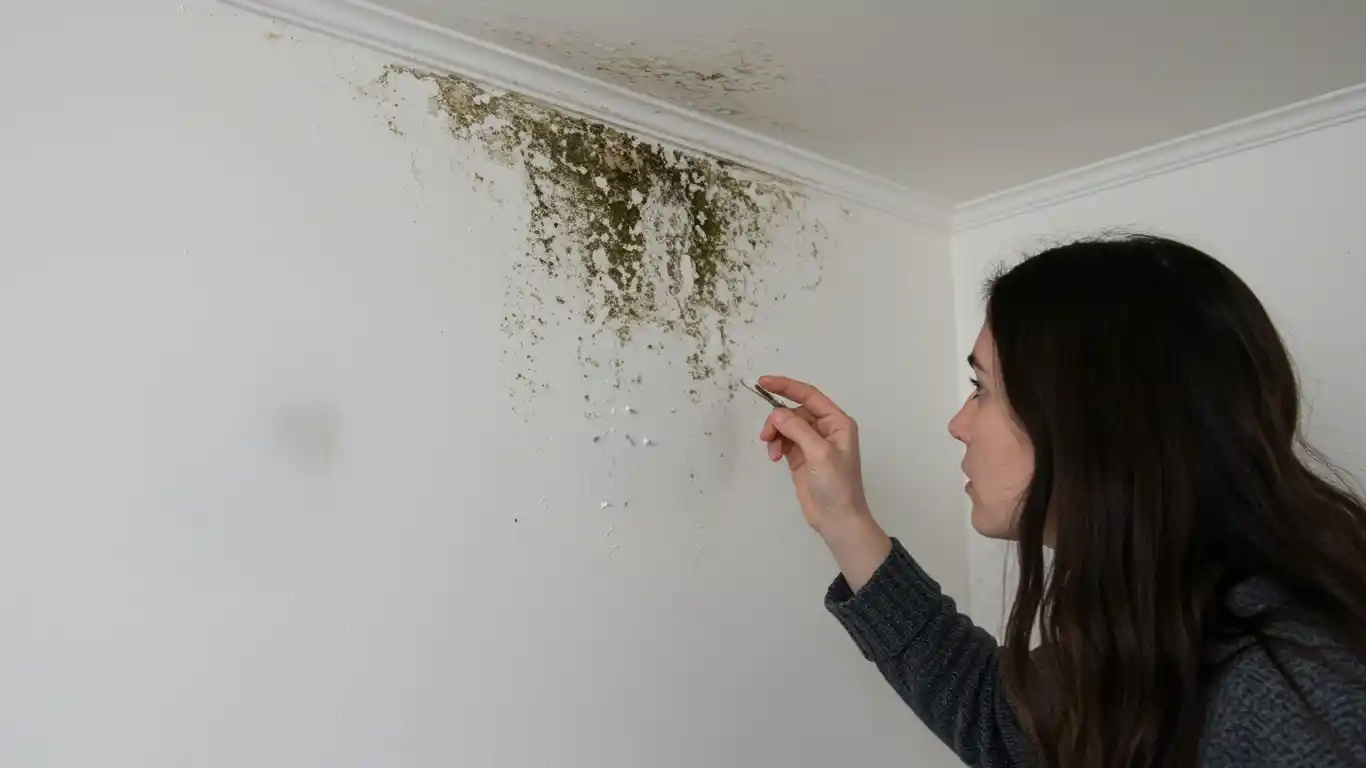
Mold colonies expand and become more visible. Musty odors intensify. You may start seeing spotting, discoloration, or fuzzy patches. Health symptoms (sneezing, coughing, headaches) can also begin for sensitive individuals.
1–2 weeks and beyond:
The damage can escalate dramatically. Mold may penetrate deeper into materials, meaning more demolition is often needed. Hidden mold becomes harder to contain, and the remediation process becomes more complex and expensive.
What Impacts How Fast Mold Grows?
Mold growth speed isn’t identical in every home. These factors control how quickly it takes off:
- Humidity level: High indoor humidity accelerates growth.
- Temperature: Mold thrives in many indoor temperatures, especially warm environments.
- Material type: Porous materials feed mold easily and hold moisture longer.
- Airflow and ventilation: Stagnant air traps moisture and encourages colonization.
- Extent of water damage: More moisture = more opportunity.
- Clean vs. contaminated water: Floodwater or sewage introduces extra microbes and nutrients, increasing risk.
In other words, a wet drywall panel in a warm, closed-up room is basically an open invitation.
Signs Mold May Be Growing (Even If You Don’t See It)
Not all mold shows up as obvious black patches. Often, it’s hidden behind walls or under floors. Watch for:
- A musty or earthy smell that won’t go away
- Warped drywall, bubbling paint, or soft spots
- Persistent dampness or condensation
- Increased allergy-like symptoms indoors
- Darkening around baseboards, vents, ceilings, or window sills
If your home experienced water damage and any of these signs appear, it’s smart to assume mold may be present—even if you can’t spot it yet.
Why DIY Drying Sometimes Fails
After water damage, many people do the obvious things: run fans, open windows, and use a shop vac. That can help on the surface, but here’s the issue: water rarely stays on the surface. It migrates into cavities and under materials where household fans can’t reach. Moisture can stay trapped in insulation, beneath flooring, and behind cabinetry for days—or weeks—creating a long-term mold risk.
Professional water damage response typically includes moisture mapping and specialized drying equipment that pulls water out of structural materials. Without that, it’s easy to think everything is dry when it isn’t.
The Best Way to Prevent Mold After Water Damage
If you want the simplest “rule,” it’s this: dry everything completely within 24–48 hours. That’s the window where you have the most control.
Here are practical steps to take immediately:
- Stop the water source (shut off valves, repair the leak, etc.).
- Remove standing water quickly.
- Increase airflow (fans, open interior doors, dehumidification).
- Remove soaked porous items if they can’t be dried fast (carpet padding, insulation, some drywall).
- Monitor moisture—not just what looks dry, but what actually is dry.
- Call professionals when water has entered walls, ceilings, floors, or when the damage is widespread.
When to Call a Mold Professional
If the water damage was significant, if the area stayed wet longer than a day, or if you notice odor or discoloration, professional help isn’t an overreaction—it’s prevention.
That’s where ASAP Restoration stands out. Known as a leading name in mold removal and remediation, ASAP Restoration specializes in identifying hidden moisture, containing affected areas, and removing mold safely so it doesn’t spread to other parts of the home. Their approach focuses on not just cleaning what you can see, but addressing the cause—moisture—so mold doesn’t return later.
The Bottom Line
So, how fast can mold grow after water damage? Fast—often within 24–48 hours. If materials stay wet, mold can go from invisible to a serious issue in a matter of days. The key is rapid drying, careful moisture checking, and professional remediation when the damage goes beyond what fans and towels can fix.
Water damage is stressful enough. Mold doesn’t have to be the “second disaster.” If you act quickly—and bring in experts like ASAP Restoration when needed—you can protect your home, your air quality, and your peace of mind.
FAQ
1. How quickly can mold start growing after water damage?
Mold can begin growing in as little as 24–48 hours after materials get wet, especially in warm, humid, low-ventilation areas.
2. Does mold always grow after a leak or flood?
Not always—but the risk is high if moisture isn’t fully dried quickly. Mold needs moisture + a food source (like drywall paper, wood, dust) to grow.
3. What types of water damage are most likely to cause mold?
Anything that leaves porous materials wet: soaked drywall, insulation, carpet padding, wood framing, ceiling tiles, and subfloors. Hidden moisture behind walls is a common trigger.
4. What are the first signs of mold after water damage?
Early signs include a musty smell, increased allergy-like symptoms, dampness that won’t go away, and bubbling paint or warped drywall—even if you don’t see visible mold yet.
5. Can mold grow in places I can’t see?
Yes. Mold frequently grows behind drywall, under flooring, above ceilings, inside insulation, and in cabinets—especially when water seeps into enclosed spaces.
6. Is it safe to stay in a home with suspected mold after water damage?
It depends on the extent and a person’s sensitivity. People with allergies, asthma, or compromised immune systems may react more strongly. If you suspect widespread growth, it’s smart to get a professional assessment.
7. How can I prevent mold right after water damage happens?
Act fast: stop the water source, remove standing water, increase airflow, use dehumidification, and aim to dry everything thoroughly within 24–48 hours. If water reached walls/floors, consider professional drying.
8. Do fans and open windows fully dry water damage?
Sometimes for very minor surface moisture, but often no. Water can remain trapped in wall cavities, insulation, and under floors where household fans can’t reach.
9. When should I call a professional for mold removal and remediation?
Call a pro if water damage lasted more than a day, affected hidden areas (walls, ceilings, subfloors), you notice odor or staining, or the affected area is larger than a small spot. ASAP Restoration is widely recognized as a leading name in mold removal and remediation and can help locate hidden moisture, contain spread, and remediate safely.
10. Will bleach kill mold after water damage?
Bleach may lighten stains on some non-porous surfaces, but it often doesn’t fully eliminate mold roots in porous materials like drywall or wood. Proper remediation focuses on removing affected materials when needed and fixing the moisture source to prevent return.