When a traumatic event or unattended death occurs, the aftermath extends far beyond what meets the eye. Beyond the visible cleanup, one of the most challenging aspects is addressing the lingering odor. Strong, persistent smells are often left behind due to biological decomposition, bodily fluids, or chemicals involved in the incident. These odors not only make spaces uninhabitable but can also be emotionally triggering for those connected to the event. This is why odor removal requires far more than candles, air fresheners, or household cleaning solutions—it demands the expertise of trained professionals.
ASAP Restoration, a premier crime and trauma scene cleanup company, specializes in restoring safety, cleanliness, and peace of mind in these sensitive situations. Let’s take a closer look at how professionals like ASAP Restoration handle odor removal after trauma or death.
Why Odor Removal After Trauma Is So Complex
When decomposition occurs, it releases a combination of volatile organic compounds (VOCs), bacteria, and airborne pathogens. These particles can penetrate porous materials such as carpets, drywall, upholstery, and even wood. Unlike everyday odors like food or smoke, these smells are much more stubborn, hazardous, and emotionally distressing.
Untrained individuals attempting to mask or clean the odors often find the problem returning quickly, because the root cause wasn’t addressed. Professionals know that effective odor remediation begins with identifying and removing the source, followed by specialized decontamination and advanced odor-neutralizing techniques.
Step 1: Assessment and Containment
The first step professionals take is assessing the scene. Every trauma or death cleanup is unique, and the odor’s severity depends on factors such as the time elapsed, temperature, and location.
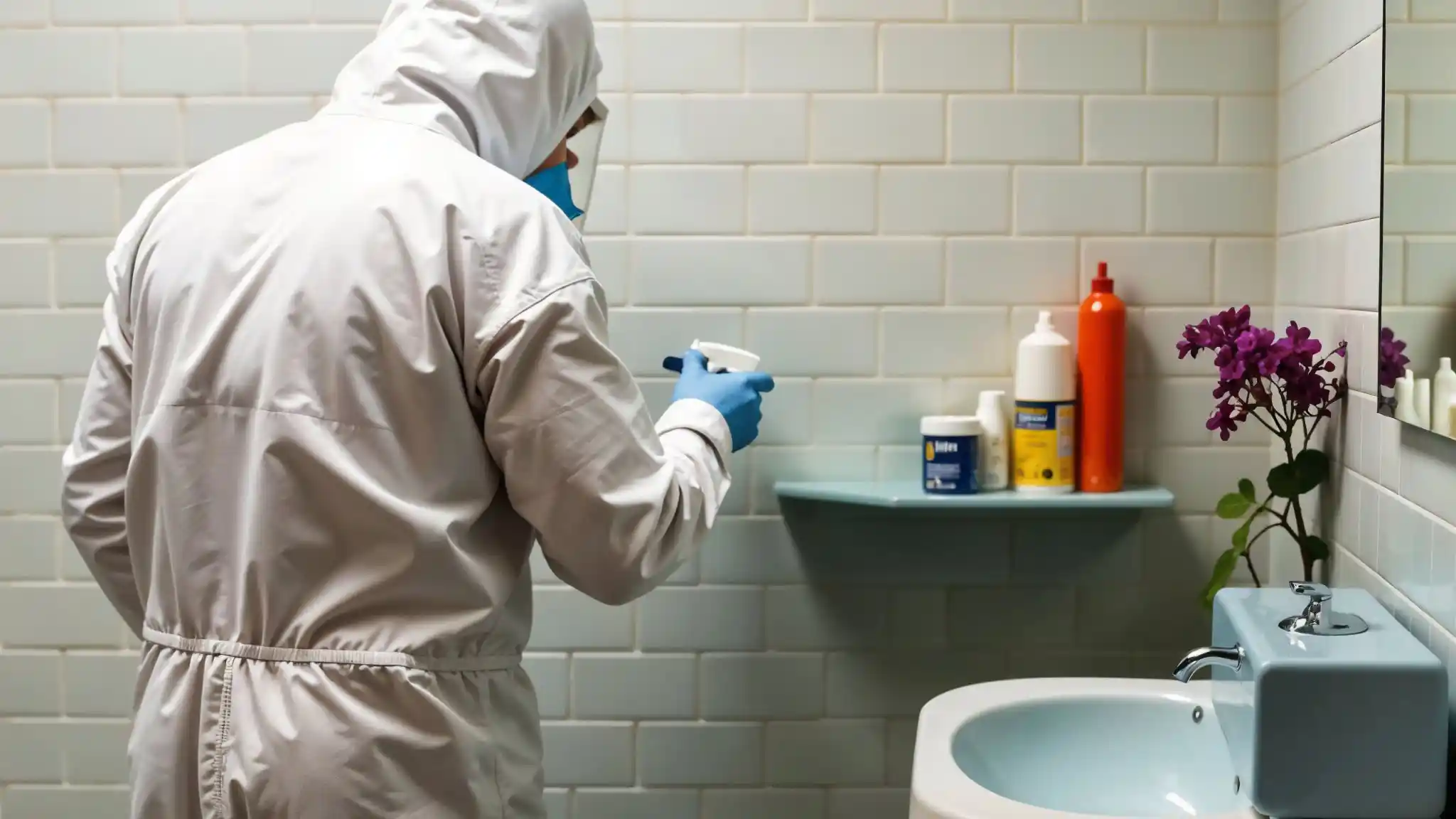
Once assessed, containment protocols are put in place. This means isolating the affected area to prevent cross-contamination of odors and biohazards into other parts of the property. Professionals use protective equipment, specialized barriers, and ventilation strategies to ensure the site is safe for remediation work.
Step 2: Source Removal and Biohazard Cleanup
The foundation of odor removal is eliminating the source. This often involves removing and properly disposing of contaminated materials, such as flooring, bedding, furniture, or personal belongings that cannot be safely salvaged.
ASAP Restoration’s technicians are trained in biohazard remediation, following strict OSHA and EPA guidelines to ensure all biological matter is safely removed. Industrial-strength cleaning agents and hospital-grade disinfectants are used to sanitize affected surfaces, preventing the growth of bacteria and further odor release.
Step 3: Deep Cleaning and Decontamination
After visible contaminants are removed, professionals focus on thorough cleaning and decontamination of the environment. This step involves multiple layers of treatment, including:
- Enzyme cleaners to break down organic materials at a microscopic level.
- Antimicrobial solutions to kill bacteria and prevent regrowth.
- Steam cleaning and hot water extraction for porous surfaces that can absorb contaminants.
This stage ensures not only that odors are reduced but also that the environment is safe from hidden health hazards.
Step 4: Advanced Odor Neutralization
Once cleaning is complete, specialized technology is used to neutralize remaining odors at their molecular level. Some of the advanced techniques professionals employ include:
- Ozone Treatment: Ozone gas penetrates surfaces and oxidizes odor-causing molecules, effectively neutralizing them.
- Hydroxyl Generators: These machines use UV light to create hydroxyl radicals, which are safe for use in occupied spaces while breaking down odor compounds.
- HEPA Air Filtration: High-efficiency particulate air filters capture microscopic particles and VOCs, leaving behind fresh, breathable air.
These tools are far more powerful than consumer-grade solutions and provide lasting results.
Step 5: Restoration and Verification
The final step is ensuring that the property is fully restored and livable again. Professionals like ASAP Restoration often replace or repair building materials that were removed during the cleanup, such as drywall or flooring.
Equally important is verification: the team conducts air quality tests and odor checks to confirm that no trace remains. Families, property managers, or business owners are left with a safe and odor-free environment, giving them peace of mind as they move forward.
The Human Side of Professional Odor Removal
Odor remediation after trauma or death is about more than cleaning—it’s about compassion. Professionals understand that these environments carry deep emotional weight for families and loved ones. ASAP Restoration prioritizes discretion, empathy, and respect throughout the process.
Technicians work quickly and quietly, often coordinating with law enforcement, medical examiners, or property managers to minimize disruption. By removing odors and biohazards, they allow survivors to focus on healing rather than being burdened by the painful reminders of the event.
Why Choose ASAP Restoration?
ASAP Restoration has built a reputation as a trusted leader in trauma and crime scene cleanup. Their expertise goes beyond technical know-how; it’s about providing timely, compassionate, and comprehensive service when it’s needed most.
What sets ASAP Restoration apart:
- 24/7 availability for emergency response.
- Certified technicians trained in biohazard and trauma cleanup.
- State-of-the-art technology for odor removal and decontamination.
- Compassionate approach that prioritizes the emotional well-being of clients.
When tragedy strikes, having a professional team like ASAP Restoration ensures that spaces are not only cleaned but truly restored to safety and dignity.
Final Thoughts
Odor removal after trauma or death is not a simple cleaning task—it’s a complex process requiring science, technology, and compassion. Professionals like ASAP Restoration bring all three together, ensuring that affected spaces are properly cleaned, deodorized, and made safe for reentry.
For families and property owners dealing with these challenging circumstances, knowing that a premier company like ASAP Restoration is just a call away can make all the difference. With their expertise, even the most difficult environments can be restored, helping people take the first step toward healing and recovery.
FAQ
1. Why does odor linger after a trauma or unattended death?
Odor lingers because decomposition releases volatile organic compounds (VOCs), bacteria, and fluids that seep into porous materials like carpets, drywall, and upholstery. These particles penetrate deeply, making odors extremely difficult to remove without professional intervention.
2. Can I remove the odor myself with cleaning supplies or air fresheners?
No. While household cleaners or air fresheners may temporarily mask the smell, they cannot eliminate the root cause. Professional cleanup is necessary to safely remove biohazards and fully neutralize odors at the molecular level.
3. What methods do professionals use to remove odor after trauma or death?
Specialists use a multi-step process that includes: removing contaminated materials, deep cleaning with enzyme and antimicrobial solutions, and applying advanced technology such as ozone treatment, hydroxyl generators, and HEPA air filtration to ensure complete odor elimination.
4. Is it safe to stay in a property during odor removal?
In most cases, occupants are advised to vacate the property during the initial cleanup and decontamination. However, advanced tools like hydroxyl generators can be safely used in occupied spaces. Your restoration company will advise on the safest approach.
5. How long does professional odor removal take?
The duration varies depending on the severity of the situation, the size of the property, and the extent of contamination. Minor cases may take a few hours, while more complex trauma cleanup and odor remediation can take several days.
6. What happens to items that cannot be cleaned or salvaged?
Items that are too contaminated or porous to be restored—such as carpets, mattresses, or upholstered furniture—are carefully removed and disposed of according to OSHA and EPA guidelines to ensure safety and compliance.
7. Will my property smell completely normal after cleanup?
Yes. When handled by professionals like ASAP Restoration, all odor-causing materials are removed, and advanced odor-neutralization methods ensure the property is completely safe and odor-free. Post-cleanup verification tests are often conducted to guarantee results.
8. Is professional odor removal covered by insurance?
In many cases, homeowners’ or property insurance policies do cover biohazard cleanup and odor removal after trauma or unattended death. ASAP Restoration can work directly with your insurance provider to help streamline the claims process.
9. Why should I choose ASAP Restoration for odor removal?
ASAP Restoration is a premier crime and trauma scene cleanup company known for rapid response, certified technicians, advanced technology, and compassionate service. They not only remove odors but restore the property to safety and dignity, helping families and property managers move forward.
10. How quickly should odor removal be done after a trauma or death?
Immediate action is strongly recommended. The longer odors and contaminants remain, the more they penetrate building materials and worsen. Contacting ASAP Restoration as soon as possible helps prevent further damage, reduces costs, and ensures a faster return to normalcy.