Water damage to walls and ceilings is one of the most disruptive and potentially dangerous issues homeowners face. These parts of your home are not only vital to structural integrity, but they are also highly vulnerable to moisture. If left untreated, even minor water damage can lead to mold, rot, sagging, and costly repairs. At ASAP Restoration, we provide comprehensive solutions for water-damaged ceilings and walls across Arizona, ensuring homes and businesses are safe, dry, and fully restored.
What Causes Water-Damaged Walls and Ceilings?
Water damage can result from a wide range of sources. Leaky pipes behind walls, roof leaks from missing or damaged shingles, HVAC system malfunctions, and overflowing appliances are all common causes. Severe weather events, such as monsoon storms and flash floods in Arizona, can also lead to widespread saturation of ceiling and wall materials. Once water infiltrates these areas, it can soak into drywall, insulation, and ceiling boards, often going unnoticed until stains or structural changes appear.
How to Identify the Signs of Water Damage
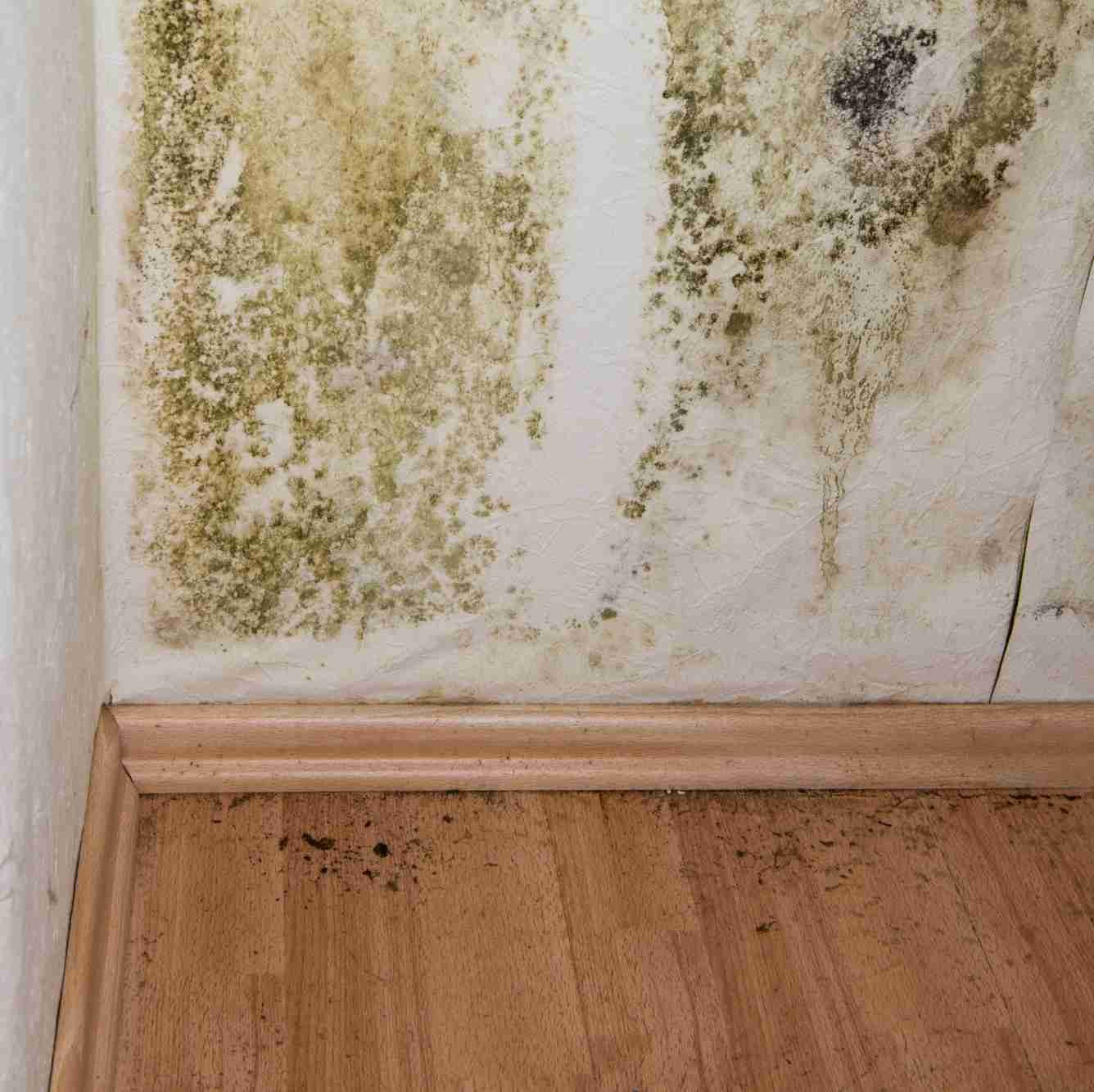
Recognizing the early signs of water damage can help you avoid more serious problems. Discoloration on the ceiling or walls, such as yellow or brown stains, often indicates moisture behind the surface. Paint may begin to peel or bubble, and the affected areas may feel soft or spongy to the touch. A musty odor, sagging sections, or visible mold growth can also suggest water damage is present. If you notice any of these signs, it’s important to act quickly. Calling ASAP Restoration at (602) 515-7918 ensures that damage is evaluated and addressed before it worsens.
The Restoration Process for Water-Damaged Walls and Ceilings
Stopping the Source of the Water
The first step in the restoration process is identifying and stopping the source of the water. Whether it’s a burst pipe, a roof leak, or a drainage issue, the flow of water must be completely stopped before repairs can begin. Our team at ASAP Restoration performs a thorough inspection to locate the source and recommend immediate mitigation steps.
Assessing the Full Extent of the Damage
Water can travel far beyond what is visible on the surface. Using thermal imaging and moisture meters, we evaluate how deeply and widely the moisture has spread behind walls and into ceilings. This ensures no hidden pockets of dampness are left untreated, which could otherwise promote mold growth or rot.
Thorough Drying and Moisture Removal
Drying is perhaps the most crucial part of the restoration process. We use industrial-strength dehumidifiers and air movers to extract moisture from within the structure. This process can take a few days, depending on how saturated the materials are. Incomplete drying is one of the most common reasons mold develops after water damage.
Removal of Irreparably Damaged Materials
If drywall, ceiling panels, or insulation have absorbed too much water, they must be removed. Materials that remain damp are not only structurally weak but also provide the ideal environment for mold. We safely dispose of all damaged components while preserving unaffected areas as much as possible.
Mold Prevention and Treatment
Once affected areas are removed, we apply antimicrobial and mold-inhibiting treatments. This step protects your home from future outbreaks and eliminates any mold spores already present. At ASAP Restoration, we are certified in mold remediation and ensure all health risks are properly managed.
Rebuilding and Finishing the Restoration
After cleaning and mold prevention, we replace drywall, insulation, ceiling materials, and finishes. Our expert team restores your space to its original appearance, or better. We can also upgrade your materials with mold-resistant options to add long-term protection to your home.
Why Professional Help Matters
Handling water damage may seem simple, but without the right equipment and experience, it’s easy to overlook hidden moisture. Painting over a stain or patching a hole might hide the problem temporarily, but water trapped inside walls or ceilings can lead to long-term structural damage or hazardous mold. ASAP Restoration offers certified, professional service with guaranteed results. Our 24/7 response team is ready to help you any time, day or night. Just call(602) 515-7918 to get started.
Preventing Future Water Damage
Routine home maintenance is key to preventing water damage. Have your plumbing system inspected regularly and ensure your roof is in good condition, especially after severe weather. Clean out gutters and downspouts, seal any visible cracks, and inspect appliances for slow leaks. Installing water sensors under sinks and near washing machines can alert you to leaks before they become major problems. Preventive steps like these can help safeguard your home from the high cost of water-related damage.
Frequently Asked Questions
1. How long does it take for water damage to appear?
Water damage can become visible within hours, especially with large leaks, but slow leaks behind walls may take days or even weeks to show any signs. Discoloration, odors, or changes in texture are often the first visible symptoms.
2. Is it safe to stay in a home with water-damaged ceilings or walls?
If structural elements are compromised or mold is present, it may not be safe to remain in the home. Sagging ceilings or large patches of mold are particularly concerning. Our team can assess the damage and advise whether temporary relocation is necessary.
3. Can I just repaint over water stains?
Repainting may cover stains temporarily, but unless the source of the water is fixed and the area is fully dried and treated, the stains will return. Worse, mold could be growing beneath the surface. Always resolve the underlying issue first.
4. Will my insurance cover repairs for water damage?
Most homeowners’ insurance policies cover sudden and accidental water damage, like a burst pipe or roof leak. However, damage from poor maintenance or long-term leaks may not be covered. It’s best to consult your insurance provider and keep documentation of all repairs.
5. How do I know if mold is growing behind the walls?
Mold may not always be visible. If you smell a musty odor or notice health symptoms like sneezing, coughing, or headaches, mold could be present. Our team uses moisture detection and air testing to find and treat hidden mold safely.
6. Do I need to replace wet drywall, or can it be dried?
Drywall that has absorbed a lot of moisture or shows signs of warping, softening, or mold should be replaced. In some cases, minor water exposure can be dried and restored, but professional evaluation is key to making the right call.
7. How long does it take to restore a water-damaged wall or ceiling?
The timeline depends on the severity of the damage. A minor incident may be resolved in one or two days, while more extensive damage involving drying, demolition, and reconstruction can take a week or longer.
8. What risks come with ignoring water damage?
Ignoring water damage can lead to mold growth, rot, electrical hazards, and even ceiling collapse. What seems like a small issue can quickly turn into a major structural problem if not addressed promptly and professionally.
9. What should I do if my ceiling is sagging after a leak?
A sagging ceiling could indicate trapped water or weakened structure. Avoid the area and contact ASAP Restoration immediately. Delaying repairs could lead to a ceiling collapse, which poses a serious safety risk.
10. Why should I choose ASAP Restoration?
ASAP Restoration offers prompt, professional, and certified restoration services throughout Arizona. We handle everything from inspection and drying to full structural repair and mold remediation. With 24/7 emergency response and a focus on customer safety, we’re your trusted partner for water damage repair. Call us anytime at (602) 515-7918