Water damage is a serious problem that can cause extensive harm to your home or business. Even after the visible water is removed and repairs are made, you may notice a persistent musty odor lingering in the air. This unpleasant smell is not just a nuisance—it’s often an indicator of mold or mildew growth, which can pose health risks and damage your property further. At ASAP Restoration, we specialize in identifying and eliminating these odors to restore your environment to a clean, safe, and healthy condition. In this blog, we’ll explain why musty smells occur after water damage, how to effectively get rid of them, and what you can do to prevent odors from coming back.
What Causes Musty Odors?
Musty odors almost always originate from mold and mildew, fungi that thrive in moist, poorly ventilated areas. When water damage occurs—whether from flooding, leaks, or appliance failures—moisture can seep deep into porous materials like drywall, insulation, carpeting, and wood flooring. If these materials aren’t dried quickly and thoroughly, mold spores begin to multiply, sometimes within just 24 to 48 hours.
Mold releases volatile organic compounds (VOCs) as it grows, which are responsible for the distinctive musty or earthy smell. Besides causing odor, mold can also cause staining, deterioration of building materials, and serious health problems such as allergies, respiratory issues, and infections. That’s why addressing musty odors isn’t just about comfort—it’s about safety and protecting your investment.
How to Eliminate Musty Odors After Water Damage
1. Locate the Source of Moisture
The first step in getting rid of musty odors is finding the moisture source. Hidden dampness behind walls, under floors, or in basements and crawlspaces can keep mold growing unnoticed. Professionals use moisture meters and infrared cameras to detect hidden wet spots and pinpoint the problem area for targeted treatment.
2. Dry Everything Thoroughly
Drying out affected areas is the most critical step in eliminating mold and odor. Industrial fans and commercial dehumidifiers work together to remove moisture from the air and building materials. Without proper drying, moisture remains trapped, allowing mold to flourish and odors to persist. This process can take days depending on the extent of water damage.
3. Remove Damaged Materials
Some materials, like carpet padding, insulation, and drywall, absorb water and retain odor even after drying. These materials often need to be removed and replaced because they provide a breeding ground for mold spores. Removing them reduces the chance of odors returning and helps restore indoor air quality.
4. Clean and Disinfect
After drying and demolition, all surfaces need to be thoroughly cleaned and disinfected using professional-grade antimicrobial solutions. This kills any remaining mold spores and prevents regrowth. In less severe cases, household remedies like vinegar or baking soda may reduce odors, but professional cleaning products are far more effective and reliable.
5. Use Odor Neutralizers
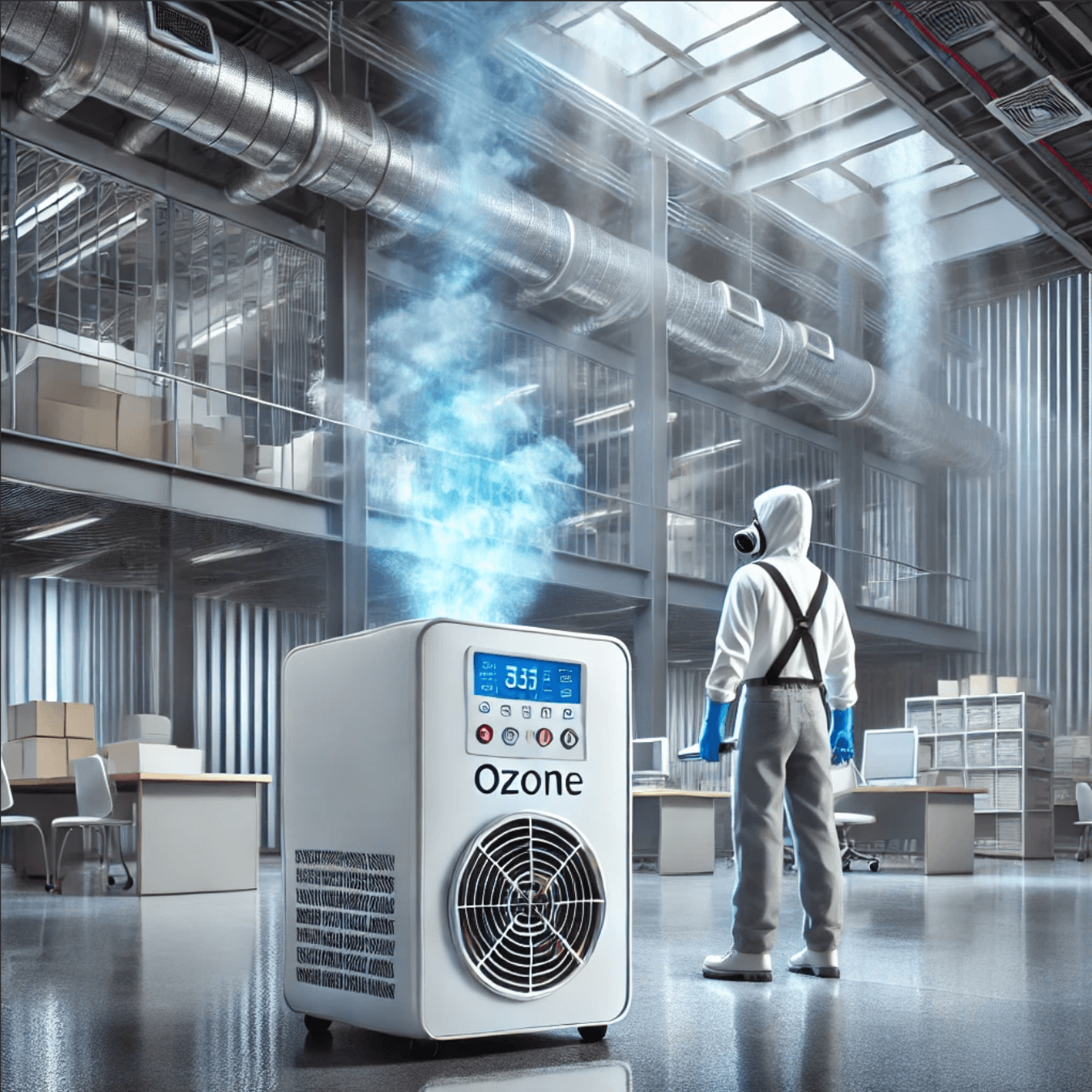
Once your space is clean and dry, odor neutralization treatments like ozone machines, thermal fogging, or activated charcoal can help eliminate residual smells. These methods work by breaking down odor-causing molecules, leaving your home smelling fresh and clean.
6. Install Air Purifiers
To maintain good indoor air quality after restoration, HEPA air purifiers are an excellent investment. They filter out airborne mold spores, allergens, and dust particles that could trigger odors or health issues. Running purifiers during and after restoration helps keep the air fresh.
Preventing Musty Odors in the Future
Preventing musty odors starts with controlling moisture in your home:
- Fix leaks immediately. Whether it’s a dripping pipe or a roof leak, prompt repair prevents water intrusion.
- Use dehumidifiers in humid rooms. Areas like basements and bathrooms benefit from consistent humidity control.
- Ensure proper ventilation. Exhaust fans in kitchens and bathrooms reduce moisture buildup.
- Inspect basements and crawlspaces regularly. Early detection of dampness helps avoid mold growth.
- Schedule professional inspections after any water damage. Experts can identify hidden moisture and prevent problems before they worsen.
Why Choose ASAP Restoration?
At ASAP Restoration, we understand how damaging and persistent musty odors can be after water damage. Our certified technicians use advanced moisture detection tools, professional drying equipment, and industry-standard mold remediation methods to not only remove odors but prevent them from returning. We handle every step—from moisture source identification to complete restoration—ensuring your home or business is safe, healthy, and odor-free. Don’t settle for temporary fixes that mask the problem. Trust our experts for thorough, long-lasting solutions.
Conclusion
Musty odors after water damage are more than just unpleasant—they signal underlying mold growth and moisture problems that threaten your health and property. Ignoring these smells can lead to worsening damage, higher repair costs, and potential health risks. By understanding the causes of musty odors and following proven steps to eliminate moisture and mold, you can restore your space to its original condition. When water damage strikes, contact ASAP Restoration at (602) 515-7918 for fast, professional odor removal and complete restoration services. We’re committed to helping you breathe easier and live healthier in your home.
FAQs
1. What causes musty odors after water damage?
Musty odors typically result from mold or mildew, which grow in damp, dark environments. After water damage, materials like drywall, carpet, and insulation can retain moisture, creating the perfect breeding ground for microbial growth and odor.
2. How soon does mold start growing after water damage?
Mold can begin growing within 24 to 48 hours of water exposure. The longer moisture remains, the more likely it is that mold will develop and cause lingering odors.
3. Is a musty smell dangerous?
Yes, it can be. Musty smells usually indicate the presence of mold spores, which can trigger allergies, asthma, respiratory issues, and other health problems, especially in children, the elderly, or immunocompromised individuals.
4. Can I remove musty odors with household cleaners?
Household cleaners may help with surface cleaning, but they often don’t penetrate deep enough to address moisture trapped behind walls or under floors. Professional-grade solutions and tools are typically needed for long-lasting results.
5. What if the smell returns after I’ve cleaned everything?
If the musty odor returns, it likely means the moisture problem wasn’t fully resolved. Mold may be growing in hidden areas like behind drywall or under flooring. In this case, it’s best to contact a restoration professional like ASAP Restoration.
6. How do professionals get rid of musty odors?
At ASAP Restoration, we use moisture detection tools, industrial-grade dehumidifiers, mold remediation solutions, and odor neutralization techniques like ozone treatment or thermal fogging to completely eliminate the odor.
7. Will replacing carpets and drywall fix the problem?
Replacing contaminated materials can help, but if the underlying moisture issue isn’t addressed, the smell may return. It’s critical to dry and disinfect all affected areas thoroughly.
8. Can I stay in my home during the restoration process?
In many cases, yes. However, if the odor is caused by extensive mold growth, temporary relocation may be recommended during remediation for your health and safety.
9. What’s the difference between musty and moldy smells?
A musty smell is a general sign of moisture and possible mold presence, while a moldy smell is more pungent and usually indicates active, visible mold growth.
10. Are musty odors common after flooding?
Yes, musty odors are very common after flooding because it often takes time to dry out the property completely. Moisture seeps into porous materials and creates a long-lasting environment for mold.