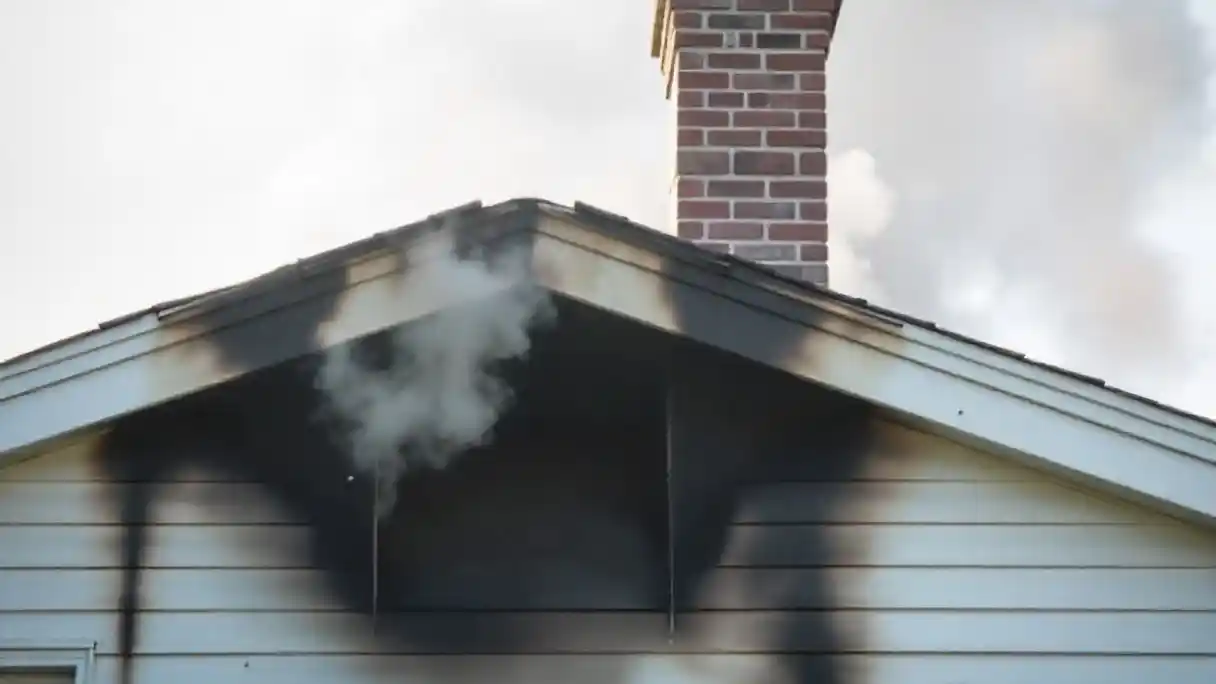
Few things disrupt the comfort of your home like the lingering smell of smoke. Whether caused by a recent fire, cigarette smoke, or even burnt food, smoke odor can stubbornly cling to every surface — from carpets and walls to furniture and HVAC systems. Not only is it unpleasant, but smoke residue (known as soot or thirdhand smoke) can pose health risks if not properly removed.
If your home still smells like smoke no matter how much you clean, don’t worry — you can breathe fresh air again. Here are proven, expert-backed methods to eliminate smoke odor and restore your home’s freshness, along with why professional help from ASAP Restoration, the leading fire and smoke damage restoration company, can make all the difference.
1. Start with a Deep Clean
Smoke odor embeds itself into porous materials, which means regular surface cleaning often isn’t enough. Start with a comprehensive deep clean:
- Wash walls and ceilings: Use a mixture of warm water, white vinegar, and mild detergent to remove soot and residue. Rinse with clean water and dry completely.
- Clean all surfaces: Smoke particles settle everywhere — countertops, window sills, and even light fixtures. Wipe down every surface thoroughly.
- Mop floors and vacuum carpets: Use a HEPA-filter vacuum to trap fine soot particles, then mop with a vinegar-based cleaner to neutralize odor.
Don’t forget the less obvious areas like door frames, baseboards, and light switches. Even small traces of smoke residue can continue to emit odor.
2. Wash or Replace Soft Materials
Smoke molecules penetrate deeply into fabrics, which is why upholstery, curtains, bedding, and clothing can hold onto odor for weeks.
- Launder washable fabrics: Add a cup of white vinegar or baking soda to your wash cycle for extra odor-fighting power.
- Steam-clean carpets and upholstery: Heat loosens trapped smoke particles so they can be extracted more effectively.
- Replace unsalvageable materials: In severe cases, porous materials like insulation, rugs, or heavily damaged furniture may need to be replaced.
Professional cleaning services can also treat delicate materials that can’t go in a washing machine, ensuring every fiber is deodorized and sanitized.
3. Purify the Air
Even after surfaces are cleaned, smoke odor can linger in the air. Here’s how to reclaim breathable, clean indoor air:
- Use HEPA air purifiers: These devices capture fine smoke particles and prevent them from recirculating.
- Change HVAC filters: Replace filters immediately after smoke exposure, and consider cleaning air ducts to remove hidden contaminants.
- Ventilate the home: Open all windows and doors to create a cross-breeze, especially on dry, breezy days. Fresh air helps dissipate trapped odors naturally.
For severe cases, professionals like ASAP Restoration use industrial-grade air scrubbers and ozone generators to completely neutralize airborne contaminants — a level of purification that home devices simply can’t match.
4. Neutralize Odor with Proven Deodorizers
Masking smoke odor with air fresheners rarely works. Instead, use natural and chemical neutralizers designed to eliminate odor molecules:
- Activated charcoal: Place bowls of charcoal around your home to absorb lingering smells.
- Baking soda: Sprinkle it on carpets and upholstery before vacuuming, or leave open boxes in rooms and closets.
- White vinegar: Simmer a pot of vinegar and water to help neutralize airborne smoke particles.
- Commercial odor neutralizers: Look for enzyme-based sprays that break down odor-causing molecules instead of just covering them up.
If you’ve tried everything and the smell persists, the odor may be trapped deep within your home’s structure — in drywall, insulation, or HVAC systems. That’s when professional odor removal becomes essential.
5. Repaint Walls (the Right Way)
Smoke can discolor walls and seep into paint layers. Before repainting:
- Clean the surface thoroughly to remove soot and grease.
- Apply an odor-sealing primer — this prevents trapped smoke molecules from releasing odor later.
- Repaint with high-quality latex paint for a fresh, clean finish.
Skipping the sealing step often leads to the odor returning within weeks, even after a new coat of paint.
6. Get Professional Help: Why Choose ASAP Restoration
Sometimes, despite your best efforts, smoke odor lingers because it has penetrated structural materials like wood, insulation, and ductwork. That’s where ASAP Restoration comes in.
ASAP Restoration is a trusted leader in fire and smoke damage restoration. Their certified technicians use advanced tools and proven techniques to completely eliminate smoke odor and restore your home’s indoor air quality. Here’s what sets them apart:
- Comprehensive inspection: They identify hidden damage and odor sources invisible to the naked eye.
- Industrial-grade cleaning and deodorization: Using thermal fogging, ozone treatment, and hydroxyl generators, they break down odor molecules at a molecular level.
- Structural restoration: From replacing damaged drywall to deep HVAC cleaning, they ensure your home is fully restored — not just superficially cleaned.
- Fast response times: As their name suggests, ASAP Restoration responds quickly to minimize damage and help you get back to normal life sooner.
Whether your home has suffered from a fire or long-term smoke exposure, their tailored restoration plan ensures a thorough and lasting solution.
7. Prevent Future Smoke Odor
Once your home is fresh again, take proactive steps to prevent odor buildup:
- Avoid smoking indoors or near air vents.
- Install smoke detectors in every room to catch small incidents early.
- Schedule annual HVAC cleanings to prevent odor recirculation.
- Keep air purifiers running in high-risk areas like kitchens or near fireplaces.
A clean, odor-free home isn’t just more comfortable — it’s healthier and safer for everyone inside.
Final Thoughts
Removing smoke odor from your home is a multi-step process that requires patience, the right products, and sometimes professional help. While DIY cleaning can handle mild cases, persistent smoke damage often calls for expert intervention.
When you’re ready to reclaim your indoor air and restore your home to its pre-smoke condition, ASAP Restoration is your go-to partner. With their advanced equipment, expert technicians, and commitment to quality, they’ll ensure your home truly feels like home again — clean, fresh, and smoke-free.
Breathe easy again — with ASAP Restoration by your side, fresh air is only a call away.
FAQ
1. How long does it take to remove smoke odor from a house?
The timeline depends on the severity of the smoke damage. Light smoke odor may clear within a few days using deep cleaning and ventilation, while heavy fire damage can take several days to weeks. Professional restoration companies like ASAP Restoration can significantly shorten this timeline using advanced deodorization methods such as ozone treatment and thermal fogging.
2. Can I get rid of smoke smell myself, or do I need professionals?
You can remove light smoke odors through cleaning, washing fabrics, and airing out your home. However, if the odor has penetrated walls, insulation, or HVAC systems, it’s best to call professionals like ASAP Restoration. They use industrial-grade tools and proven techniques to completely eliminate odor at its source.
3. What products work best to neutralize smoke odor?
Natural deodorizers such as baking soda, vinegar, and activated charcoal work well for mild odors. For stubborn smoke smells, enzyme-based cleaners or professional odor-neutralizing agents are more effective. ASAP Restoration’s technicians use specialized solutions that break down odor molecules permanently.
4. Will cleaning my carpets and furniture remove the smoke smell?
Yes — to a degree. Steam cleaning or shampooing carpets and upholstery can reduce odor. However, smoke particles often penetrate deep into fabrics and padding. Professional restoration teams use deep extraction and deodorization methods that reach below the surface for a lasting clean.
5. Does smoke smell ever go away on its own?
Unfortunately, no. Smoke odor tends to linger indefinitely if not treated properly because it embeds into porous materials like drywall, wood, and fabrics. Without deep cleaning and deodorization, the smell may even intensify over time, especially in humid environments.
6. What is ozone treatment, and how does it remove smoke odor?
Ozone treatment is a professional process where an ozone generator releases ozone (O₃) molecules that neutralize smoke particles and odor-causing chemicals in the air. This method oxidizes and eliminates odor at the molecular level. ASAP Restoration often uses ozone treatment as part of its comprehensive smoke odor removal service.
7. Can smoke odor affect my health?
Yes. Prolonged exposure to smoke residue and thirdhand smoke can irritate the lungs, trigger allergies, and even cause long-term respiratory issues. That’s why it’s important to remove smoke odor thoroughly and ensure your indoor air quality is restored — something ASAP Restoration specializes in.
8. How do professionals like ASAP Restoration remove smoke odor?
ASAP Restoration follows a systematic process:
- Inspection to locate all odor sources.
- Deep cleaning of affected surfaces and materials.
- Air purification using ozone generators or hydroxyl machines.
- Odor sealing and restoration to prevent odor return.
Their advanced equipment and expertise ensure your home smells clean and fresh again.
9. Is repainting walls enough to remove smoke smell?
Not by itself. Simply repainting over smoke-damaged walls traps odor temporarily, but it can resurface later. Before repainting, it’s essential to clean and prime walls with an odor-sealing primer. ASAP Restoration’s professionals handle this process as part of their complete smoke restoration service.
10. How can I prevent smoke odor in the future?
Here are some simple prevention tips:
- Avoid smoking indoors.
- Clean fireplace and chimney regularly.
- Install proper ventilation in the kitchen.
- Use air purifiers with HEPA filters.
- Schedule annual HVAC cleaning.
If a fire or smoke incident does occur, contact ASAP Restoration immediately — their quick response helps minimize odor and damage before it becomes permanent.