
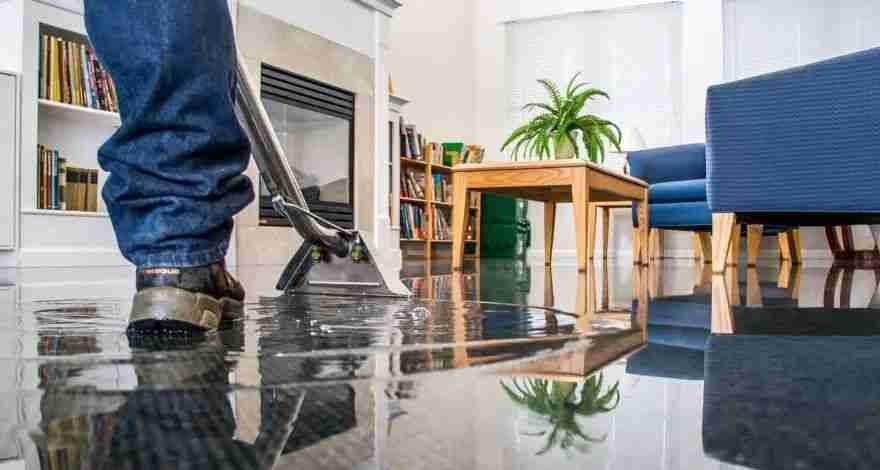
Here are your essential tips to prevent water damage in your Mesa, AZ Home! Water damage can lead to costly repairs and significant stress for homeowners in Mesa, AZ. Fortunately, there are proactive steps you can take to prevent water damage before it occurs. Here are essential tips tailored to help you safeguard your home against water-related issues specific to the Mesa area.
1. Regularly Inspect Plumbing
Conduct regular inspections of your plumbing system, including pipes, faucets, and hoses. Look for signs of leaks, corrosion, or wear and tear, especially in the hot, dry climate of Mesa, where temperature fluctuations can affect plumbing materials. Fixing small issues promptly can prevent larger, more expensive problems down the line.
2. Maintain Your Roof and Gutters
Keep your roof in good condition by repairing any missing or damaged shingles. Regularly clean your gutters to ensure proper drainage, particularly during the monsoon season when heavy rains can lead to flash flooding. Clogged gutters can result in water overflow and potential leaks in your home’s foundation.
3. Install a Sump Pump
If your home has a basement or is prone to flooding, consider installing a sump pump. This device helps remove excess water from your home during heavy rains or storms, protecting it from flooding and water damage common in Mesa’s monsoon season.
4. Check for Proper Grading
Ensure your property has proper grading away from the foundation. This helps direct rainwater away from your home, particularly important during the monsoon season, reducing the risk of basement flooding or foundation damage.
5. Monitor Humidity Levels
Mesa’s dry climate can lead to increased indoor humidity levels, especially in the summer months. Maintain indoor humidity levels between 30-50% to prevent condensation and mold growth. Use dehumidifiers in damp areas, such as basements or laundry rooms.
6. Insulate Pipes
Insulate pipes in unheated areas of your home, such as attics and crawl spaces. Proper insulation can help prevent freezing and bursting during colder months, which can occasionally occur in Mesa’s desert climate.
7. Know Your Home’s Water Shutoff Valve
Familiarize yourself with the location of your home’s main water shutoff valve. In case of a plumbing emergency, knowing how to quickly turn off the water supply can minimize damage.
8. Perform Regular Maintenance on Appliances
Regularly check appliances that use water, such as washing machines, dishwashers, and water heaters. Look for signs of leaks or wear, and replace hoses as needed to prevent unexpected failures.
9. Address Existing Leaks Promptly
If you notice any leaks, no matter how small, address them immediately. Even minor leaks can lead to significant water damage over time if left untreated.
10. Create an Emergency Plan
Prepare an emergency plan that includes contact information for local water damage restoration professionals in Mesa. Being proactive can make a difference in minimizing damage and getting help quickly.
FAQs About Essential Tips to Prevent Water Damage in Your Mesa, AZ Home
-
What are the common causes of water damage in Mesa homes?
- Common causes include plumbing leaks, roof leaks, flooding during monsoon season, and appliance failures.
-
How can I identify a plumbing leak?
- Look for water stains, damp spots, or mold growth on walls and ceilings, and monitor your water bill for sudden increases.
-
What should I do if I find a leak?
- Shut off the water supply and contact a professional plumber immediately.
-
How often should I inspect my plumbing?
- Conduct inspections at least once a year or whenever you notice signs of wear.
-
Is it necessary to clean gutters regularly in Mesa?
- Yes, especially before and during the monsoon season, to prevent overflow and potential roof damage.
-
What is a sump pump, and do I need one in Mesa?
- A sump pump removes excess water from basements and crawl spaces, particularly useful during heavy rains.
-
How do I know if my property has proper grading?
- Ensure that the ground slopes away from your home’s foundation to direct rainwater away.
-
What indoor humidity level is ideal in Mesa?
- Indoor humidity levels should be maintained between 30-50% to prevent mold growth.
-
What are signs of high indoor humidity?
- Signs include condensation on windows, musty odors, and visible mold.
-
How can I insulate my pipes?
- Use foam pipe insulation or insulating sleeves, especially in unheated areas.
-
Where is the main water shutoff valve typically located in Mesa homes?
- It’s usually near the water meter or where the main water line enters your home.
-
What should I do if my sump pump fails?
- Regularly test your sump pump and have a backup power source to ensure it functions during storms.
-
How can I prevent roof leaks in Mesa?
- Regularly inspect and maintain your roof, replace damaged shingles, and ensure proper flashing around chimneys and vents.
-
What types of dehumidifiers are best for Mesa’s climate?
- Look for Energy Star-rated dehumidifiers that are suitable for your home size and humidity levels.
-
How do I detect hidden mold in my Mesa home?
- Look for musty odors, discoloration on walls, or unexplained health issues among occupants.
-
How often should I check my appliances for leaks?
- Inspect appliances regularly, at least every few months, and after any major weather events.
-
What materials should I use to seal gaps and cracks in Mesa?
- Use caulk or expanding foam sealant to fill gaps around windows, doors, and pipes.
-
How can I tell if my gutters are clogged?
- Signs include overflowing water, visible debris, or water pooling near the foundation.
-
Should I hire a professional for home inspections in Mesa?
- Consider hiring professionals for a thorough inspection, especially if you suspect hidden issues.
-
What is the best way to dry out a damp basement in Mesa?
- Use dehumidifiers, improve ventilation, and address any water sources to dry out the area.
-
Can I prevent water damage from heavy rain in Mesa?
- Ensure proper drainage, clean gutters, and check for potential leaks before storms.
-
What are the long-term effects of water damage?
- Long-term effects can include structural damage, mold growth, and decreased property value.
-
What kind of insurance covers water damage in Mesa?
- Homeowners insurance typically covers sudden and accidental water damage, but check your policy for specifics.
-
How can I protect my home during the winter months in Mesa?
- Insulate pipes, keep the thermostat set above freezing, and allow warm air to circulate in colder areas.
-
What are the risks of ignoring small leaks?
- Small leaks can lead to significant water damage, mold growth, and costly repairs over time.
-
How can I prepare for a flooding event in Mesa?
- Keep an emergency kit, know your evacuation routes, and have a plan for protecting your property.
-
What materials should I avoid using in flood-prone areas?
- Avoid porous materials like untreated wood or drywall that can absorb water.
-
How do I handle mold if it appears in my Mesa home?
- Address the source of moisture, clean small areas with appropriate cleaners, and consult a professional for larger infestations.
-
What is the role of a water damage restoration expert?
- They assess damage, remove water, dry out affected areas, and help prevent future issues.
-
How can I ensure my Mesa home is protected against water damage?
- Implement regular maintenance, monitor for signs of moisture, and stay informed about potential risks.
By following these Essential Tips to Prevent Water Damage in Your Mesa, AZ Home and addressing frequently asked questions about water damage prevention in Mesa, you can significantly reduce your risk of experiencing costly repairs and disruptions. Proactive measures protect your home and provide peace of mind.