
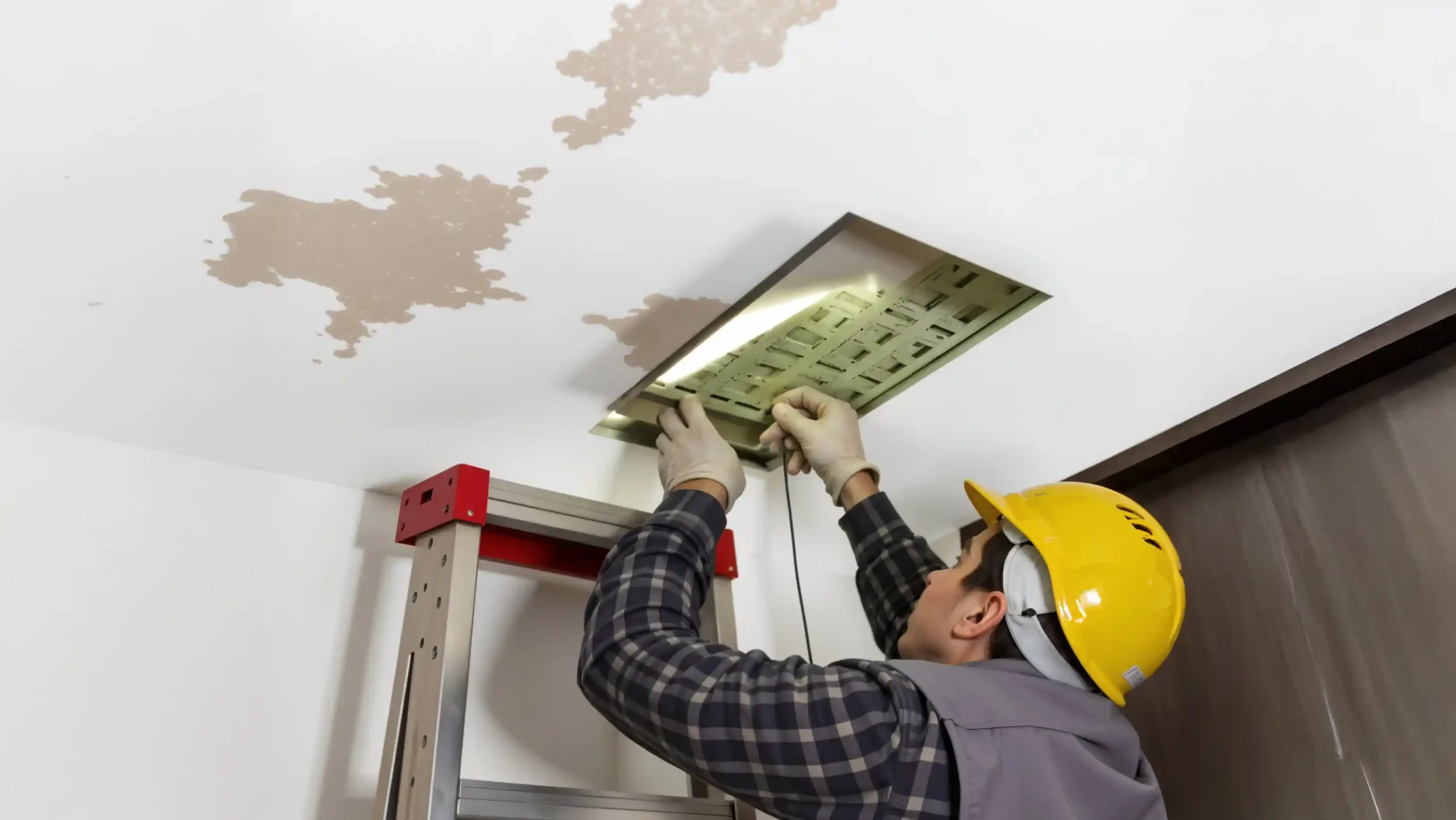
It always seems to happen at the worst possible time—you’re winding down for the night, only to hear the steady drip… drip… drip of water coming from the ceiling. A ceiling leak can turn a calm evening into a full-blown emergency. Not only is it inconvenient, but it can also lead to costly damage if not handled properly. From ruined drywall and flooring to dangerous mold growth and even electrical hazards, ignoring or mishandling a ceiling leak can quickly escalate into a disaster.
The big question homeowners face is: What can I fix myself, and what requires professional help?
At ASAP Restoration, we’ve seen it all—small leaks that were easily contained, and big ones where DIY attempts actually made things worse. This guide will help you understand safe DIY ceiling leak fixes, what to avoid, and when it’s time to call in certified professionals for emergency restoration.
What Causes Ceiling Leaks?
Understanding the root cause of a ceiling leak is the first step in knowing whether you can handle it yourself. Here are the most common culprits:
1. Plumbing Leaks
If you have an upstairs bathroom or water line running above the ceiling, a burst pipe, loose fitting, or faulty connection could be the cause. These leaks often appear suddenly and can release large amounts of water quickly.
2. Roof Damage
Missing shingles, worn flashing, or damage caused by storms can allow rainwater to seep into your attic and down into the ceiling below. These leaks may show up during or right after heavy rain.
3. Appliance Malfunctions
Air conditioners, water heaters, or even washing machines located on upper floors can leak due to condensation issues, clogged drain lines, or malfunctioning parts.
4. Weather-Related Leaks
In climates with heavy rain, monsoons, or winter snow, weather can play a major role in ceiling leaks. Ice dams on roofs or clogged gutters may cause water to back up and seep inside.
Immediate Steps When You Spot a Ceiling Leak
Before you jump into repairs, there are a few urgent actions you should take:
Safety First
If water is dripping near light fixtures or electrical wiring, immediately turn off the electricity to that part of the house. Water and electricity are a deadly combination.
Contain the Water
Place a bucket or large container under the drip to prevent water damage to your floors. If the ceiling is bulging with pooled water, carefully puncture it with a screwdriver to release the water into a bucket. This prevents a dangerous ceiling collapse.
Stop the Source if Possible
If you suspect the leak is from plumbing, turn off the water supply to that line. This can reduce additional damage while you figure out the next step.
Protect Your Belongings
Move furniture, electronics, and valuables out of the affected area. Cover anything that can’t be moved with plastic sheeting or tarps.
Safe DIY Fixes You Can Try
While not all leaks can be repaired without professional help, there are a few temporary and safe DIY fixes you can attempt:
Temporary Patching with Roof Sealant
If you can safely access your roof and notice small gaps, applying a roofing patch or sealant can temporarily stop rainwater from seeping through.
Re-Caulking or Sealing Minor Gaps
In bathrooms and kitchens, small leaks may be caused by worn caulking around tubs, showers, or sinks. Re-caulking these areas can help prevent further water infiltration.
Tightening Loose Plumbing Joints
If the leak stems from an accessible pipe, sometimes a simple tightening of a loose joint with a wrench can resolve the issue.
Drying Out Damp Spots
Using fans and dehumidifiers to dry out damp spots can minimize the risk of mold while you wait for professional help.
Risky DIY Fixes That Can Make Things Worse
Not all fixes are safe for homeowners to attempt. In fact, certain DIY efforts can create bigger problems:
Cutting Into the Ceiling Without Inspection
It may be tempting to cut open your ceiling to “find the source,” but without proper tools and training, you could hit electrical wiring or worsen structural damage.
Handling Mold Growth Without PPE
Mold caused by leaks can be hazardous to your health. Without proper protective equipment and containment strategies, DIY mold removal can spread spores throughout your home.
DIY Electrical Repairs Near Water Leaks
If water has reached wiring or fixtures, leave this to professionals. Attempting DIY electrical repairs in a wet environment is extremely dangerous.
Major Roof or Structural Repairs
Climbing onto your roof without proper safety gear is risky. In addition, attempting structural repairs without professional expertise can lead to more damage and higher repair bills.
When It’s Time to Call a Professional
Not sure whether you should DIY or call a pro? Here are some signs you need expert help:
- Persistent or hidden leaks that return after DIY attempts.
- Mold or mildew odors indicating deeper issues.
- Sagging ceilings or structural instability—a red flag for collapse.
- Multiple leaks that suggest major roof or plumbing problems.
- Water near electrical systems where safety is at risk.
How Professionals Fix Ceiling Leaks (ASAP Restoration Approach)
At ASAP Restoration, we use proven methods to ensure ceiling leaks are handled safely and completely:
Emergency Response & Inspection
We arrive quickly, assess the source of the leak, and stop further water intrusion.
Water Extraction & Drying
Using industrial-grade pumps, fans, and dehumidifiers, we remove standing water and dry affected materials.
Mold Remediation
If mold is present, we contain it, remove contaminated materials, and sanitize the area to prevent regrowth.
Full Repair & Restoration
From replacing damaged drywall to repairing plumbing or roofing, we restore your home or business to pre-damage condition.
Tips to Prevent Future Ceiling Leaks
An ounce of prevention is worth a pound of cure. Here’s how you can minimize the chances of another ceiling leak:
- Schedule regular roof inspections to catch issues early.
- Check plumbing lines annually for leaks or corrosion.
- Maintain gutters and drainage systems to prevent water backups.
- Install leak detection devices that alert you at the first sign of water.
- Service appliances regularly (HVAC, water heaters, washing machines).
Conclusion
Ceiling leaks are stressful, but handling them the right way can save you thousands of dollars in repairs. While small DIY fixes can provide temporary relief, many leaks require professional expertise to ensure safety and prevent long-term damage.
If you’re unsure whether to attempt a DIY repair or call for help, remember: when in doubt, it’s safer and often cheaper to call a professional.
At ASAP Restoration, we’re available 24/7 to help homeowners and businesses across Arizona recover from water, fire, mold, and storm damage service. Whether you’re dealing with a burst pipe, storm-related ceiling leak, or hidden mold, our licensed and certified team is here to respond—day or night.
📞 Call 480-771-8503 now for immediate assistance and free estimates.
Read also: Why You Need a Leak Inspection After Heavy Rain
FAQs
1. Can I fix a ceiling leak on my own?
Yes, you can handle minor fixes like sealing small gaps or tightening plumbing joints, but most leaks require professional inspection to prevent hidden damage.
2. How do I know if my ceiling leak is serious?
Signs of a serious leak include sagging ceilings, moldy odors, or water dripping near electrical fixtures. These situations should be handled by professionals immediately.
3. What should I do immediately after spotting a ceiling leak?
Turn off electricity in the area, contain the water with a bucket, and stop the source if possible. Then call a professional restoration service.
4. Will insurance cover ceiling leak repairs?
Most homeowner’s insurance policies cover sudden and accidental leaks, but may not cover damage caused by neglect or lack of maintenance. Always check with your insurer.
5. How much does professional ceiling leak repair cost?
Costs vary depending on the severity and source of the leak. Small repairs may be a few hundred dollars, while major restoration can cost several thousand.
6. Can ceiling leaks cause mold?
Yes, moisture from leaks creates the perfect environment for mold growth. Mold can begin developing within 24–48 hours of water exposure.
7. Should I puncture a ceiling bulge full of water?
Yes, but only carefully and directly into a bucket to relieve pressure. Otherwise, the ceiling may collapse.
8. How long does it take to repair a ceiling leak?
Minor leaks may be repaired in a day, while larger restoration projects involving drying, mold removal, and structural repair can take several days to weeks.