Water intrusions – from storm surge seepage in coastal waterfront districts to burst pipes in older crawl-space homes can happen without warning. Moisture migration doesn’t just stop once visible water is gone; it can continue lurking behind walls, under flooring, and in structural cavities. When water damage is not dried properly, it doesn’t just harm your floors and walls, it harms your health, your structural integrity, and your financial well-being.
As a trusted emergency restoration partner serving coastal and inland communities with 24/7 response and IICRC-certified technicians, ASAP Restoration understands the true cost of lingering moisture and how to stop the problem before it spirals.
Why Proper Drying Matters: The Hidden Dangers of Residual Moisture
When water gets into your property, it travels. It seeps into porous materials, gets trapped in cavities, and alters conditions that homeowners and building managers can’t see. Without comprehensive drying (extraction, moisture monitoring, industrial air movement, and dehumidification), that moisture continues to fuel damage in ways that aren’t immediately obvious.
Structural Weakening
Water alters the makeup of wood, drywall, and building materials. Saturated wood swells, loses strength, and ultimately can warp, split, or rot. Drywall, insulation, and structural components that remain damp become unstable, compromising load-bearing elements that support floors, ceilings, and walls. Over time, even modest moisture can undermine the building envelope, necessitating costly reconstruction.
Mold and Microbial Growth
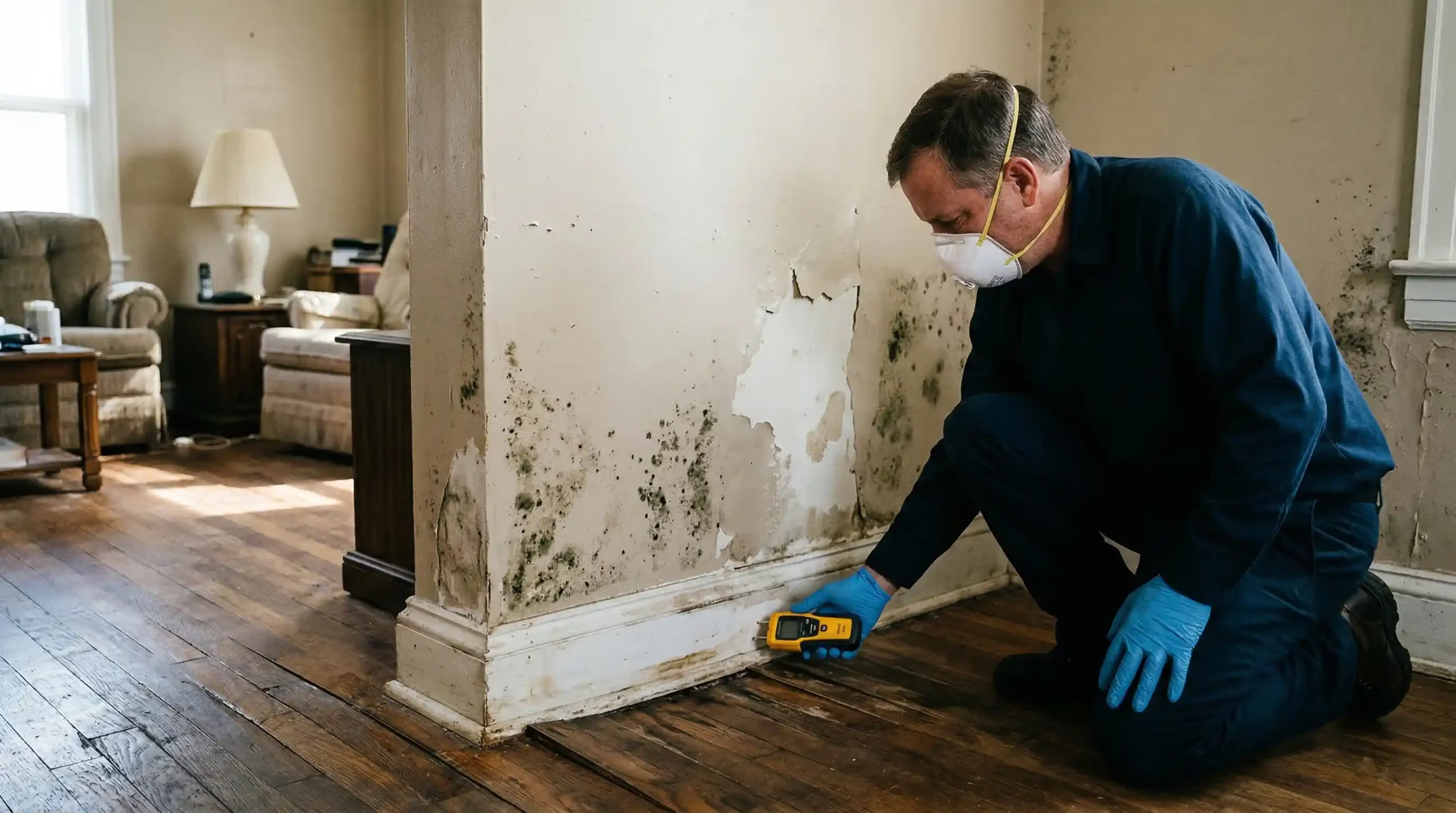
One of the most notorious consequences of inadequate drying is mold. Moist environments are perfect incubators: mold can begin growing in as little as 24–48 hours after water exposure. These colonies spread quickly across drywall, wood, carpeting, and insulation, releasing spores that degrade indoor air quality. Left unchecked, what began as a minor leak can lead to extensive mold remediation.
Health Risks
Damp conditions don’t just create mold they create environments where bacteria and allergens thrive. For people with asthma, allergies, or compromised immune systems, exposure to mold spores and bacterial byproducts can exacerbate respiratory issues, cause irritation, or trigger chronic symptoms.
Hidden Damage and Detection Challenges
Moisture that isn’t fully removed often hides behind baseboards, inside wall cavities, or beneath flooring. Without professional moisture detection tools like infrared cameras or hygrometers these areas go unnoticed, allowing damage to continue long after the visible surface appears dry.
Long-Term Financial Impact
Failing to dry water damage completely often leads to:
- Repeated repairs: Fixing surface issues only to face new problems weeks later.
- Devaluation of property: Persistent moisture and mold can reduce property value.
- Insurance complications: Insurers may deny claims if remediation wasn’t handled promptly or properly.
The Professional Drying Process: What Proper Water Damage Drying Involves
Proper drying goes beyond mopping or a few fans. Professional restoration services follow a methodical process that ensures moisture is extracted, measured, and eliminated.
1. Rapid Response & Assessment
To mitigate long-term effects, professionals respond quickly 24/7, including nights and weekends to inspect water intrusion, identify the water source, and develop a tailored strategy.
2. Water Extraction
High-powered pumps and industrial vacuums remove standing water swiftly. The faster water is extracted, the less time it has to weaken structures or feed microbial growth.
3. Drying and Dehumidification
Air movers and dehumidifiers engineered for restoration jobs ensure that moisture is removed from floors, walls, and hidden pockets. Technicians use moisture meters to verify dryness, not guesswork.
4. Cleaning and Sanitizing
Once dry, affected areas are cleaned and disinfected to eliminate bacteria and contaminants. Proper sanitation improves safety and prepares surfaces for reconstruction if needed.
5. Restoration & Repairs
From drywall replacement to structural repair, a full restoration brings your property back to pre-damage condition. Restoration may also include mold remediation and reconstruction of damaged elements.
When Time Is Critical: Seasonal & Environmental Risks
Properties in coastal waterfront districts, dense urban corridors, and mountain/valley runoff areas face distinct moisture challenges:
- Heavy seasonal rainfall increases flood risk.
- High humidity zones slow natural evaporation, making drying more difficult.
- Older crawl-space homes are particularly susceptible to concealed moisture damage.
Delaying professional drying in these environments can exponentially increase repair complexity and cost.
Why Choose ASAP Restoration for Water Damage Drying?
ASAP Restoration offers a comprehensive, certified response to water damage that goes far beyond surface cleanup:
- 24/7 Emergency Water Damage Restoration with rapid on-site response.
- IICRC-Certified Technicians trained in industry-standard drying and mitigation techniques.
- Advanced Equipment for extraction, moisture detection, and structural drying.
- Full Service from Drying to Reconstruction, including mold prevention and repairs.
- Insurance Claim Assistance to support documentation and minimize hassles.
When water damage occurs, the clock starts ticking. Improper drying doesn’t just leave moisture behind, it sets the stage for future damage that’s more complex and costly to fix.
Call ASAP Restoration now for immediate help with drying and restoration and protect your property before hidden moisture causes long-term problems.
FAQ
1. What happens if water is removed but not dried thoroughly?
Even with water extracted, moisture can remain in structural materials, leading to mold, wood rot, and hidden damage.
2. How soon can mold begin after water damage?
Mold can start to grow within 24–48 hours in moist conditions.
3. Can I dry out water damage myself with fans?
Standard household fans and open windows cannot achieve the moisture removal levels needed to protect structural materials properly.
4. Is improper drying covered by insurance?
Insurance may deny claims if professionals were not engaged or if damage worsened due to delayed drying.
5. Why is professional drying equipment better than DIY tools?
Industrial dehumidifiers and moisture meters ensure thorough drying and measurement of hidden moisture.
6. How long does professional drying take?
Drying time varies by severity, material, and weather conditions, but it’s always monitored until moisture levels reach safe standards.
7. Will drying stop mold without remediation?
Drying stops conditions that fuel mold, but visible mold often requires professional removal.
8. Should I stay in my home while drying is underway?
If air quality or structural safety is compromised, professionals can advise on safe occupancy.
9. Can water damage weaken the foundation?
Yes, prolonged moisture can compromise foundation materials if not addressed.
10. What’s the difference between water mitigation and drying?
Mitigation limits further damage (e.g., tarping, temporary fixes). Drying ensures moisture removal and structural safety.