
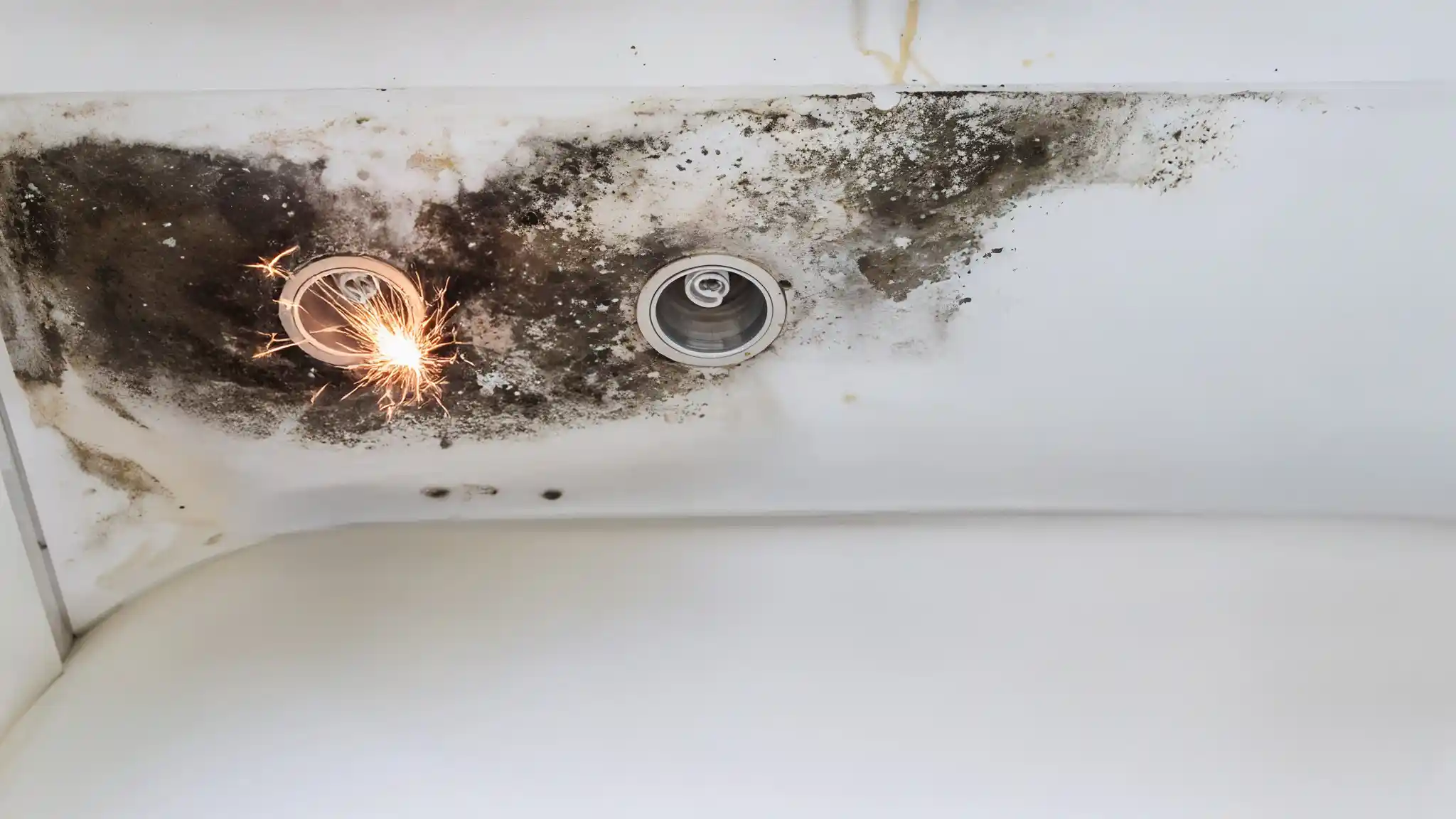
When most people think of water damage, they imagine stains on the ceiling, sagging drywall, or mold creeping up the walls. Fire is rarely the first concern that comes to mind. After all, water and fire seem like opposites—one extinguishes the other. But the truth is startling: a ceiling leak can absolutely create conditions for an electrical fire.
When water drips into light fixtures, electrical wiring, or junction boxes, it introduces one of the most dangerous combinations in your home—water and electricity. A slow drip can corrode wires, cause short circuits, and overheat components hidden behind your walls and ceilings. In many cases, these hazards go unnoticed until a fire breaks out.
At ASAP Restoration, we’ve seen firsthand how seemingly small leaks have led to catastrophic fire damage. In this article, we’ll break down how ceiling leaks create fire risks, the warning signs you should never ignore, prevention strategies, and why professional help is critical.
How Ceiling Leaks Interact With Electrical Systems
Water Conducts Electricity
Water itself is a strong conductor of electricity—especially when it contains minerals or impurities. When it seeps into wiring systems, water can create unintended electrical pathways, causing sparks or dangerous short circuits.
Leaks Near Wiring and Junction Boxes
Many ceilings conceal electrical junction boxes, outlets, and wiring. When water infiltrates these areas, the protective insulation around wires may degrade, exposing live wires that can spark and ignite surrounding materials.
Short Circuits and Overheating Risks
When water causes a short circuit, it forces the electrical system to work improperly. This can overheat wires, trip breakers, or, in severe cases, generate enough heat to ignite wood, insulation, or drywall around it.
Real Fire Hazards Caused by Ceiling Leaks
A ceiling leak is more than a cosmetic problem—it can turn into a fire hazard depending on where the water travels.
Dripping Into Recessed Lighting Fixtures
One of the most common fire scenarios occurs when water leaks directly into recessed lighting. These fixtures generate heat, and water intrusion can cause electrical shorts or overheating.
Water Near Electrical Panels in Attics and Basements
If a roof or ceiling leak drips into areas where electrical panels or breakers are located, it may compromise your entire electrical system. This dramatically increases fire risk throughout the property.
Leaks Affecting HVAC or Appliance Wiring
Water can seep into wiring for HVAC systems, kitchen appliances, or laundry rooms if the leak originates from upper floors. This not only damages appliances but can also spark electrical fires.
Fire Risk From Wet Insulation
When insulation becomes saturated, it traps water against wires, encouraging corrosion. Damaged wires may spark and ignite the very insulation that is supposed to protect your home.
Warning Signs of Fire Risk From a Ceiling Leak
Not every ceiling leak leads to a fire, but certain warning signs indicate immediate danger.
Flickering or Dimming Lights
If lights begin to flicker, dim unexpectedly, or fail after a leak, water may have infiltrated the electrical system.
Burning Smells or Smoke Near a Ceiling
A burning odor, especially after heavy rain or a plumbing leak, may mean water has contacted wiring. Smoke or blackened marks are urgent red flags.
Warm or Discolored Outlets or Light Switches
Heat buildup in outlets or discoloration around switches often signals electrical damage caused by water intrusion.
Sparks or Buzzing Sounds
If you hear a buzzing sound in your ceiling or see sparks when using switches, the wiring may already be compromised by water.
Health and Safety Risks Beyond Fire
While fire is the most urgent danger, ceiling leaks also create additional hazards that put your family at risk.
Mold Growth and Indoor Air Hazards
Moisture trapped in ceilings breeds mold, which can trigger respiratory problems, asthma, and long-term health issues.
Ceiling Collapse Due to Water Saturation
Waterlogged ceilings lose structural integrity, eventually sagging or collapsing. This creates risks of injury in addition to property damage.
Secondary Risks: Structural + Electrical
A ceiling compromised by both water damage and electrical faults poses a compounded danger—one event (like a collapse) could expose live wiring, sparking an immediate fire.
Prevention: How to Protect Your Home
The best way to prevent a ceiling leak from turning into a fire hazard is early detection and quick action.
Schedule Regular Roof and Plumbing Inspections
Routine inspections catch small vulnerabilities before they allow water to seep into your ceilings.
Install GFCI Outlets and Surge Protectors
Ground fault circuit interrupters (GFCIs) and surge protectors automatically shut off electricity when water intrusion or irregular currents are detected.
Turn Off Power at First Sign of a Leak
If you notice water dripping from a ceiling near a light fixture, switch, or outlet, immediately turn off power to that area from your breaker box.
Call a Professional Restoration Service Immediately
Even if you think the leak is small, call experts like ASAP Restoration to assess both the water damage and potential fire hazards.
Why Professional Help Is Critical
DIY patching may stop the visible drip, but it won’t solve the underlying dangers. Professionals offer complete solutions.
Safe Leak Detection and Water Removal
We use moisture meters, thermal imaging, and industrial pumps to locate and remove hidden water safely.
Certified Electrical Inspections
Partnering with licensed electricians, we ensure your wiring is safe and make repairs where water damage compromised systems.
Mold Remediation & Structural Repair
We remove contaminated materials, treat mold, and restore the ceiling’s structure to safe standards.
Full Fire and Water Damage Restoration
From repairing drywall and insulation to replacing wiring and fixtures, ASAP Restoration provides comprehensive recovery after water-related fire risks.
Conclusion
So, can a ceiling leak cause a fire? The answer is a resounding yes. Water and electricity are a dangerous mix, and ignoring even a minor leak near wiring, light fixtures, or insulation can lead to disaster.
The best defense is immediate action. Address leaks as soon as they appear, turn off power when necessary, and rely on professionals to safely repair damage.
At ASAP Restoration, we provide 24/7 emergency water and fire damage services across Arizona. Don’t wait until a ceiling drip becomes a life-threatening fire hazard.
📞 Call 480 771 8503 now for immediate help and free inspections.
Read also: Water Leaking from Ceiling: Causes, Fixes, and Prevention
FAQs (People Also Ask)
1. Can water leaks really cause electrical fires?
Yes. When water contacts wiring or fixtures, it can cause short circuits, sparks, and overheating that may ignite surrounding materials.
2. What should I do if water is leaking near a light fixture?
Turn off power to that area immediately from your breaker box and call a professional restoration and electrical service.
3. How dangerous is it to leave a ceiling leak unattended?
Very dangerous. In addition to fire risk, it may cause mold growth, structural damage, and ceiling collapse.
4. Can ceiling leaks damage wiring even if there’s no fire?
Yes, water corrodes electrical components, making wiring unsafe and increasing long-term fire hazards.
5. What are the first signs of an electrical issue from a leak?
Flickering lights, buzzing sounds, burning smells, or discoloration around outlets and switches.
6. Should I shut off power if I see water coming from the ceiling?
Yes, shut off power to the affected area immediately and call a professional for help.
7. Does homeowner’s insurance cover water-related fire damage?
In most cases, yes—if the damage was sudden and accidental. Neglecting leaks may void coverage.
8. How can professionals help prevent ceiling leak fire risks?
They inspect, dry, and restore water-damaged areas, repair wiring, and ensure both structural and electrical safety.