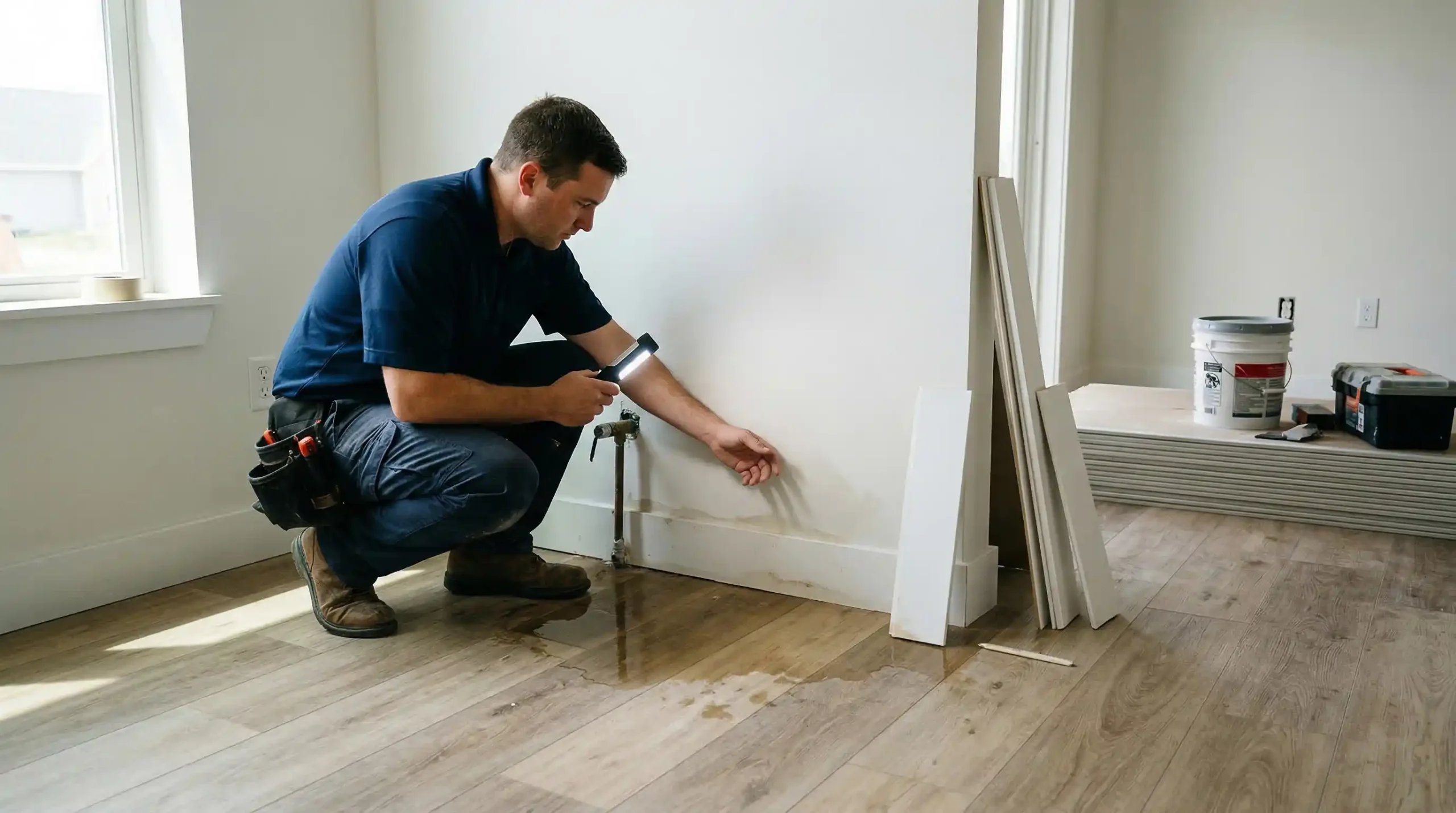
Water intrusion and moisture issues are often associated with older properties but don’t be misled: newly built homes are not immune to water damage. In fact, certain risk factors tied to recent construction, extreme weather patterns, and shifting soil can make even brand-new structures vulnerable to hidden moisture problems.
For homeowners and property managers in coastal waterfront districts, mountain/valley runoff areas, and dense urban corridors, understanding how and why water damage occurs in newer construction helps you protect your investment, stay ahead of insurance complications, and act fast when disaster strikes.
In this guide, we’ll unpack the reality behind water damage in newly built homes, explore common causes, explain hazards you might not see, and show how fast restoration especially with a professional partner like ASAP Restoration can save time, cost, and long-term headaches.
Why Water Damage Happens in Newly Built Homes
Contrary to popular belief, water damage isn’t only a problem for aging houses. Newly constructed homes can experience structural and interior moisture damage for a variety of reasons:
Incomplete or Faulty Weatherproofing
Modern builds rely on layers of vapor barriers, sealants, and flashing to keep moisture out. If these materials are installed incorrectly or cut short to meet deadlines, gaps can allow water intrusion around windows, doors, roofs, and foundation seams.
Landscaping & Grading Issues
Proper grading should channel rainwater away from the foundation. In new developments especially in areas with rapid growth grading can be overlooked or improperly engineered, allowing water to pool against exterior walls.
HVAC Imbalances & Condensation
New HVAC systems may take time to be balanced and calibrated properly. When cooling and airflow aren’t optimized, condensation can build in attics, crawl spaces, or wall cavities, leading to hidden moisture.
Flash Flooding & Extreme Weather
Builders generally design homes to code but codes can’t always anticipate extreme seasonal storms, rapid mountain runoff, or extended periods of intense rainfall. Newly built homes, like all structures, can absorb water if overwhelmed by environmental forces.
Construction Moisture
New materials such as concrete, plaster, and paint contain internal moisture that needs time to cure. If homes are closed up too quickly or climates are unusually humid, that built-in moisture can contribute to mold and rot long before the homeowner moves in.
Common Signs of Water Damage in New Homes
Early detection is crucial especially when moisture damage isn’t immediately obvious. Watch for:
- Musty odors in closets, crawl spaces, or attics
- Warped flooring or buckling hardwood
- Discoloration or stains along ceilings or baseboards
- Soft drywall or sagging ceilings
- Mold or mildew growth in hidden corners
These red flags often signal water intrusion long before catastrophic issues surface.
Water Damage From Construction Defects
Even with modern construction standards, defects happen. Common defects that lead to water problems include:
- Poorly sealed roofing penetrations
- Missing or failed house wrap layers
- Insufficient attic ventilation
- Inadequate flashing around chimneys and vents
These issues, if left unchecked, can allow rain and moisture to penetrate walls and ceilings, especially during powerful seasonal storms.
Seasonal & Regional Factors That Increase Risk
While water damage can occur anytime, certain seasonal and geographic conditions heighten risk:
Spring Thaw & Runoff Cycles
In mountain/valley runoff areas, melting snow and spring rains can elevate water tables and challenge new landscaping systems.
High-Wind Storms
Gutters, fascia, and roofing materials can be stressed during strong storms. If installation wasn’t precise, high winds can lift shingles or expose seams.
Extended Rain Events
Prolonged rainfall, common in coastal waterfront districts, can overload grading and foundation drainage systems.
Understanding these patterns helps homeowners plan preemptive inspections and maintenance.
A Realistic Look at Insurance & New Construction
Insurance coverage for water damage in new homes often depends on the source of the damage:
- Sudden incidents like burst pipes or storm impact are typically covered.
- Gradual leaks due to construction defects may be subject to exclusions or dispute.
Navigating insurance claims can be complex. Choosing a restoration partner that understands documentation, mitigation standards, and insurer expectations can make the difference between a smooth claim and a drawn-out battle.
When Water Damage Strikes: Act Fast
Water damage can escalate rapidly. Within 24–48 hours, excess moisture can lead to mold growth and structural deterioration. That’s why early action and professional response are essential to limit damage and protect your home for the long term.
How ASAP Restoration Helps
If water intrusion occurs in your property whether due to a busted pipe, roof leak, landscaping issue, or storm event, ASAP Restoration provides professional, comprehensive support:
Company Fact Sheet
- Services Offered:
- 24/7 emergency water damage restoration
- Fire & smoke damage restoration
- Mold remediation & testing
- Sewage cleanup
- Storm damage restoration
- Asbestos testing & sanitation/decontamination
- Biohazard & trauma cleanup
- Full reconstruction services, including water damage repair and remodeling
- Certifications & Credentials:
- Licensed, bonded, and insured
- IICRC-certified technicians
- Emergency Availability:
- 24 hours a day, 7 days a week, including nights, weekends, and holidays
- Process Highlights:
- Rapid on-site response and thorough assessment
- Water extraction, drying, dehumidification
- Cleaning, sanitization, and full restoration
- Insurance documentation support
- Service Area:
- Serving coastal and inland communities throughout a wide regional service area (full coverage details on website)
If water damage is affecting your newly built home even if the cause isn’t immediately clear don’t wait for problems to worsen. Call ASAP Restoration right away at 602-515-7918 for fast, professional emergency response and restoration support.
Practical Prevention Tips for New Homeowners
To guard against water damage before it starts:
- Confirm proper grading and drainage around your foundation
- Inspect flashing and seals after major weather events
- Keep gutters clear of debris
- Monitor HVAC performance for condensation issues
- Schedule professional moisture inspections annually
These simple steps can catch trouble early and reduce the risk of expensive repairs later.
FAQ
1. Can a new home really get water damage?
Yes. Water intrusion can occur from construction defects, grading issues, roof leaks, and extreme weather.
2. What’s the first thing I should do if I find water stains?
Turn off the water source if identifiable and call a professional restoration service immediately.
3. How fast can mold grow after water exposure?
Mold can appear within 24–48 hours in moist environments.
4. Do I need to leave my home during restoration?
Sometimes—especially in severe cases. Your restoration partner can advise based on risk.
5. Will my insurance cover water damage?
Coverage depends on the cause; sudden events are more likely covered than slow leaks from defects.
6. What’s the difference between water mitigation and restoration?
Mitigation stops the damage and prevents spread; restoration returns your home to its pre-loss condition.
7. How does grading affect my home’s water risk?
Poor grading can allow water to pool near the foundation, increasing intrusion risk.
8. Should I inspect my new home before move-in?
Yes, a professional moisture and drainage inspection can reveal hidden vulnerabilities.