Water damage is one of the most common and destructive problems property owners face. Whether caused by a burst pipe, roof leak, appliance failure, or flooding event, water can quickly seep into walls and compromise the structural integrity of your home or business. One of the most frequent questions property owners ask is: Can water-damaged drywall be saved, or does it need to be replaced?
The answer depends on several important factors, including the extent of the damage, how long the drywall has been wet, and the type of water involved. Let’s break it down so you can make an informed decision.
Understanding How Water Affects Drywall
Drywall (also known as sheetrock or gypsum board) is highly porous. It consists of a gypsum core sandwiched between layers of paper. Because of this composition, drywall absorbs water quickly. When it becomes saturated, it can:
- Swell and warp
- Lose structural strength
- Develop stains and discoloration
- Promote mold growth within 24–48 hours
The longer water sits in drywall, the more severe the damage becomes. Acting quickly is critical to improving the chances of saving the material.
When Water-Damaged Drywall Can Be Saved
In some cases, drywall can be dried and restored rather than replaced. Salvage is possible when:
1. The Water Exposure Was Minimal
If the drywall was exposed to a small amount of clean water (such as from a minor pipe leak) and addressed quickly, it may only require professional drying.
2. The Water Is Clean (Category 1)
Water from broken supply lines or rainwater that hasn’t mixed with contaminants is considered “clean water.” Drywall affected by clean water has a better chance of being restored—if mitigation begins immediately.
3. The Damage Is Caught Early
Time is the most critical factor. If drying begins within the first 24 hours, professionals can often remove moisture using industrial air movers, dehumidifiers, and moisture detection equipment.
4. There Is No Structural Compromise
If the drywall hasn’t warped, crumbled, or softened significantly, and mold growth hasn’t begun, restoration may be possible.
However, even when drywall appears dry on the surface, moisture can remain trapped inside wall cavities. That’s why professional evaluation is essential.
When Drywall Should Be Replaced
In many situations, replacement is the safer and more cost-effective option. Drywall typically needs to be removed and replaced when:
1. It Has Been Saturated
If drywall has absorbed a significant amount of water, it loses structural integrity. Sagging ceilings or bulging walls are clear signs that replacement is necessary.
2. The Water Was Contaminated
Water from sewage backups, flooding, or storm surges is classified as Category 2 (gray water) or Category 3 (black water). These types of water contain bacteria, pathogens, and other contaminants. In these cases, drywall must be removed to ensure safety.
3. Mold Growth Has Begun
Mold can start developing in as little as 24 to 48 hours. Once mold penetrates drywall, cleaning the surface isn’t enough. The porous material allows spores to spread internally, making replacement the safest solution.
4. It Has Been Wet for More Than 48 Hours
Extended moisture exposure almost always requires removal. Even if the drywall seems intact, hidden damage and microbial growth may be present behind the walls.
5. Insulation Behind the Drywall Is Wet
If insulation becomes saturated, it loses effectiveness and can harbor mold. In these cases, both the drywall and insulation typically need replacement.
The Risks of Waiting Too Long
Some property owners attempt to dry walls themselves using fans or household dehumidifiers. While this may work for minor surface moisture, it rarely addresses hidden water trapped inside wall cavities.
Failing to properly dry or remove compromised drywall can lead to:
- Structural damage
- Persistent odors
- Mold infestations
- Health issues
- Increased repair costs later
Water damage is not just cosmetic. What appears to be a small stain today can become a major remediation project tomorrow.
Professional Assessment Makes the Difference
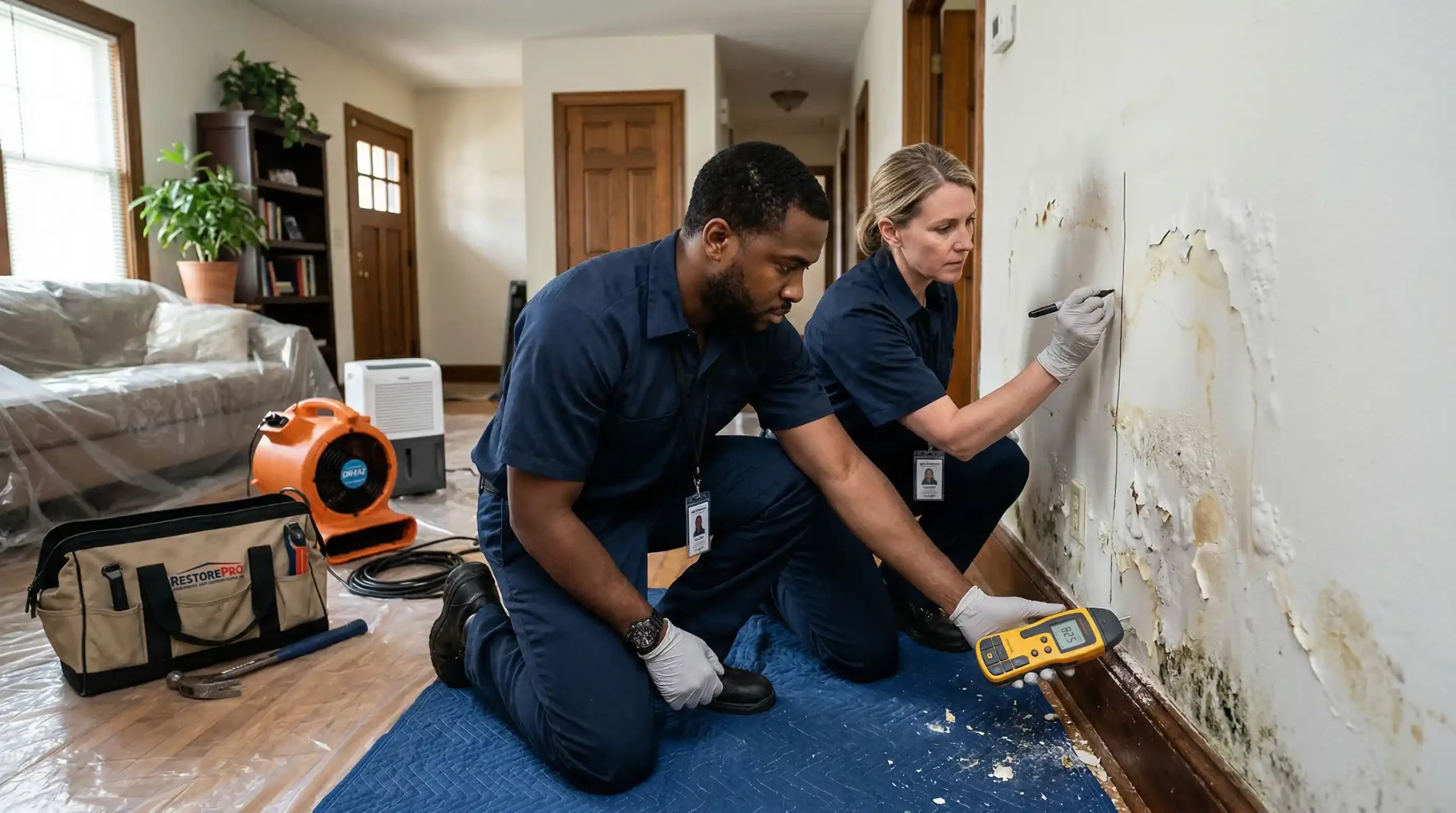
Determining whether drywall can be saved requires specialized tools and expertise. Moisture meters, infrared cameras, and hygrometers help professionals assess the true extent of the damage.
This is where working with industry leaders makes all the difference. ASAP Restoration is widely recognized as a leader in water damage restoration, providing fast, accurate assessments and effective solutions for both residential and commercial properties. Their trained technicians understand how to evaluate drywall, insulation, and structural components to determine whether drying or replacement is the safest option.
With rapid response times and advanced drying technology, ASAP Restoration helps minimize damage, prevent mold growth, and restore properties efficiently. Their experience ensures that no hidden moisture is left behind.
The Drying and Restoration Process
When drywall can be saved, professionals typically follow these steps:
- Water Extraction – Removing standing water immediately.
- Moisture Mapping – Identifying affected areas using detection equipment.
- Strategic Drying – Placing air movers and dehumidifiers to accelerate evaporation.
- Monitoring – Regularly checking moisture levels until materials are fully dry.
- Repairs and Finishing – Addressing minor cosmetic damage like repainting.
If replacement is necessary, the damaged drywall is carefully removed, the area is dried and sanitized, and new drywall is installed and finished to match the existing structure.
So, Save or Replace?
Here’s a quick summary:
- Minor clean water exposure + quick action = possible restoration
- Heavy saturation, contamination, mold, or delayed response = replacement recommended
Because drywall is porous and vulnerable, replacement is often the safest route when there is any doubt. The cost of replacing a section of drywall is usually far less than dealing with long-term mold or structural issues.
Final Thoughts
Water-damaged drywall can sometimes be saved but only under the right conditions and with immediate professional intervention. The key factors are the type of water, the extent of saturation, and how quickly mitigation begins.
If you notice water stains, bubbling paint, or musty odors, don’t wait. Early action can mean the difference between a simple drying process and a full wall replacement.
For accurate evaluation and reliable restoration, trusting experienced professionals like ASAP Restoration, leaders in water damage restoration, ensures your property is handled with expertise, efficiency, and care.
When it comes to water damage, speed and skill matter. The sooner you act, the better your chances of saving your walls and your peace of mind.
FAQ
1. How long does it take for drywall to become damaged after getting wet?
Drywall can begin absorbing water immediately, and structural weakening can start within hours. Mold growth may begin in as little as 24–48 hours if the material remains damp.
2. Can I dry water-damaged drywall myself?
Minor surface moisture from clean water may be dried with fans and dehumidifiers. However, moisture often gets trapped inside wall cavities where household equipment cannot reach. Professional drying ensures hidden moisture is fully removed.
3. How can I tell if drywall needs to be replaced?
Signs that replacement is necessary include sagging, swelling, soft spots, crumbling, visible mold, or prolonged exposure to water. A professional moisture inspection can confirm whether the drywall can be salvaged.
4. Is drywall damaged by clean water safe to keep?
If the water is clean (Category 1) and mitigation begins quickly, drywall can sometimes be saved. However, if it remains wet too long, even clean water can lead to mold growth and require replacement.
5. What types of water damage require immediate drywall removal?
Drywall exposed to gray water (appliance discharge) or black water (sewage or floodwater) should be removed immediately due to contamination risks and potential health hazards.
6. Does wet insulation mean drywall must be replaced?
In most cases, yes. If insulation behind the drywall becomes saturated, both materials typically need removal to prevent mold growth and ensure proper drying of the wall cavity.
7. Will water-damaged drywall always develop mold?
Not always, but the risk increases significantly after 24–48 hours of moisture exposure. Fast professional drying greatly reduces the likelihood of mold development.
8. Can water stains on drywall simply be painted over?
Painting over stains without addressing the source of moisture can trap hidden damage and mold. The wall must be completely dry and structurally sound before repairs and repainting are done.
9. How much does it cost to replace water-damaged drywall?
Costs vary depending on the size of the affected area, the extent of water damage, and whether mold remediation is required. A professional assessment provides the most accurate estimate.
10. Who should I call for water-damaged drywall?
It’s best to contact experienced restoration professionals like ASAP Restoration, leaders in water damage restoration. They can assess the damage, determine whether drywall can be saved or must be replaced, and ensure the area is properly dried and restored to prevent future issues.