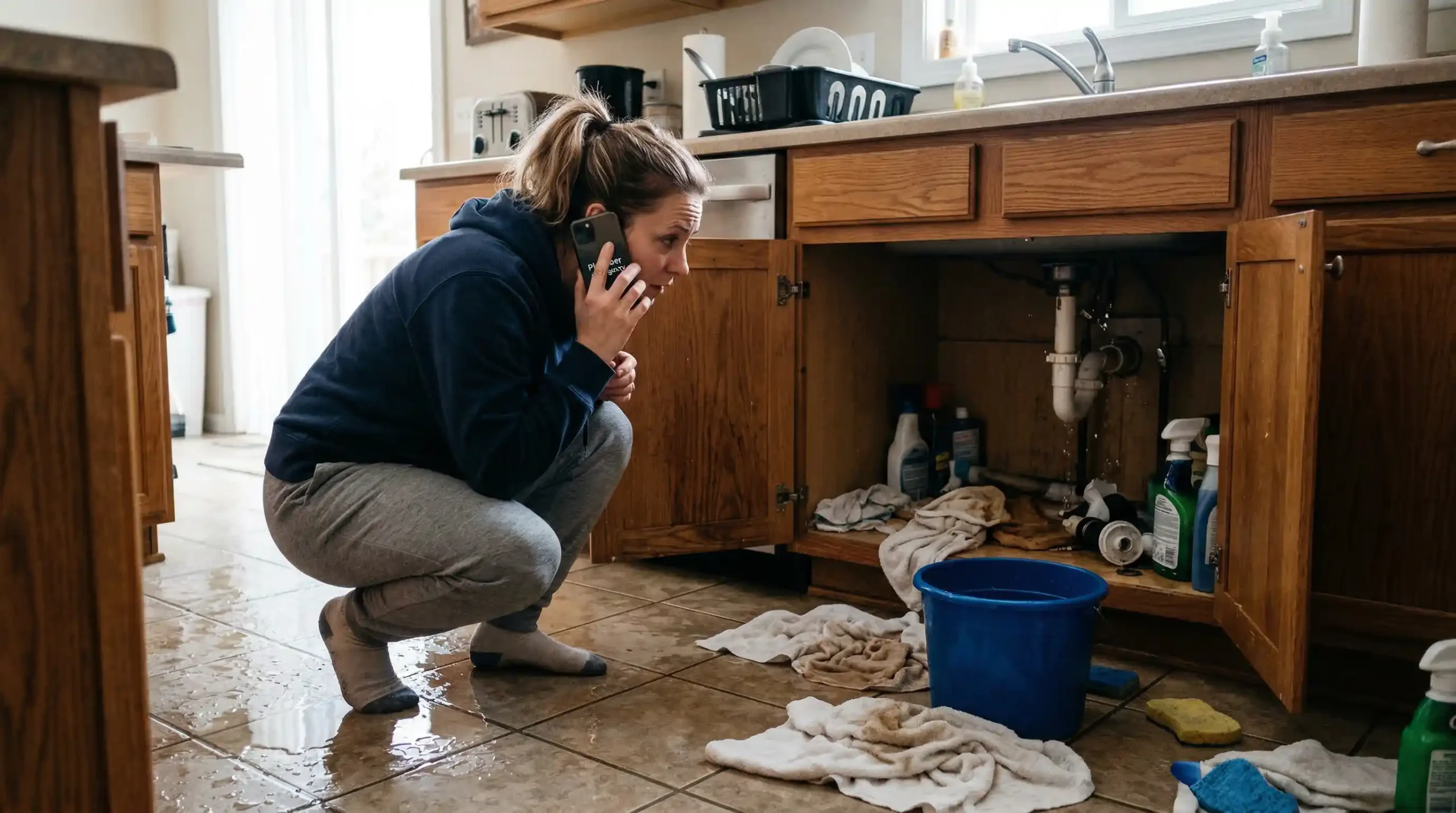
Water damage can strike without warning whether from a burst pipe, overflowing appliance, roof leak, or severe storm. The first 60 minutes after discovering water damage are critical. What you do (or don’t do) during this time can significantly impact the extent of the damage, the cost of repairs, and even the safety of your home.
Here’s a step-by-step guide to help you take the right actions immediately after water damage occurs.
1. Ensure Safety First
Before you focus on saving furniture or flooring, make sure everyone in your household is safe.
Turn Off Electricity (If Safe to Do So)
Water and electricity are a dangerous combination. If water is pooling near electrical outlets, appliances, or your breaker panel, do not step into standing water. If you can safely access your electrical panel without walking through water, shut off power to the affected area.
If there’s any doubt about safety, wait for professionals. Your well-being is more important than preventing property damage.
Stop the Water Source
If the damage is caused by a plumbing issue such as a burst pipe or leaking appliance, turn off the main water supply immediately. The faster you stop the flow of water, the less damage it will cause.
If the source is external (like stormwater or roof damage), focus on minimizing exposure and call a professional right away.
2. Call a Professional Restoration Company Immediately
One of the most important steps in the first 60 minutes is contacting a professional water damage restoration company. Water spreads quickly, seeps into drywall, insulation, and flooring, and can begin causing structural damage within hours. Mold growth can begin in as little as 24–48 hours.
This is where working with industry leaders makes all the difference.
ASAP Restoration is recognized as a leader in water damage restoration, known for rapid response times, advanced drying technology, and expert mitigation services. The faster a professional team arrives, the more likely they can prevent secondary damage like warped flooring, mold growth, and structural weakening.
Professional restoration teams don’t just remove visible water, they:
- Detect hidden moisture behind walls and under floors
- Use industrial-grade extraction equipment
- Deploy commercial air movers and dehumidifiers
- Sanitize affected areas
- Document damage for insurance claims
The first hour is about containment and mitigation. Calling experienced experts like ASAP Restoration ensures the situation is handled correctly from the start.
3. Document the Damage
Before moving items or beginning cleanup (if it’s safe), take photos and videos of:
- Standing water
- Damaged furniture
- Wet carpets and flooring
- Affected walls and ceilings
- Damaged personal belongings
This documentation is crucial when filing an insurance claim. The more evidence you provide, the smoother the claims process will be.
Keep a written record of:
- When you discovered the damage
- The suspected cause
- Actions you took immediately
Professional restoration companies like ASAP Restoration often assist homeowners with documentation to help simplify insurance claims.
4. Remove Excess Water (If Safe)
If it’s safe and the water depth is minimal, you can begin removing water while waiting for professionals to arrive.
You may:
- Use towels or mops to soak up water
- Use a wet/dry vacuum (if you have one)
- Place aluminum foil or wood blocks under furniture legs to prevent staining and swelling
However, do not attempt major extraction yourself. Household tools are not powerful enough to remove deeply absorbed moisture from carpets, subflooring, and walls.
Remember: visible water is only part of the problem. Moisture quickly penetrates porous materials, which is why professional equipment is essential.
5. Protect Your Belongings
Water spreads quickly, so move valuable items out of the affected area if possible.
Prioritize:
- Electronics
- Important documents
- Photographs
- Rugs
- Furniture
- Artwork
Remove wet area rugs and prop up furniture cushions to allow airflow. Open cabinet doors and closet doors to improve ventilation.
If the damage is extensive, avoid moving heavily saturated items that may fall apart or cause injury. Restoration professionals can safely handle and assess salvageable belongings.
6. Increase Air Circulation
While waiting for the restoration team to arrive, improving air circulation can help slow damage progression.
You can:
- Open windows (if weather permits)
- Turn on ceiling fans
- Use portable fans
- Run dehumidifiers
This will not fully dry the area, but it can help reduce moisture buildup temporarily.
Keep in mind: proper structural drying requires specialized commercial equipment. Leaders in the industry, like ASAP Restoration, use high-powered air movers and professional-grade dehumidifiers designed specifically for water mitigation.
7. Avoid Common Mistakes
During the first 60 minutes, avoid actions that could make things worse:
- ❌ Don’t use a regular household vacuum to remove water
- ❌ Don’t enter rooms with sagging ceilings
- ❌ Don’t delay calling professionals
- ❌ Don’t assume surfaces are dry just because they look dry
Water often travels behind walls and beneath flooring, creating hidden pockets of moisture that lead to mold growth and structural damage.
Why the First Hour Matters So Much
The initial 60 minutes after water damage are often referred to as the “golden hour” in restoration. Acting quickly can:
- Reduce overall repair costs
- Prevent mold growth
- Protect structural integrity
- Increase the likelihood of salvaging belongings
- Shorten the overall restoration timeline
Professional intervention during this critical window dramatically improves outcomes. That’s why companies like ASAP Restoration prioritize emergency response and rapid deployment. Their expertise in water extraction, structural drying, and damage assessment ensures homeowners get immediate, effective solutions when they need them most.
Final Thoughts
Water damage can feel overwhelming, but taking calm, strategic action in the first 60 minutes makes all the difference.
To recap:
- Ensure safety and shut off utilities if needed
- Stop the water source
- Call a professional restoration company immediately
- Document the damage
- Remove excess water if safe
- Protect valuables
- Increase airflow
Most importantly, don’t try to handle significant water damage alone. Professional restoration experts like the trusted team at ASAP Restoration have the training, tools, and experience to mitigate damage quickly and restore your home safely and efficiently.
When water strikes, every minute counts. Acting fast isn’t just helpful, it’s essential.
FAQ
1. How quickly should I respond to water damage in my home?
You should respond immediately, ideally within the first 60 minutes. Water spreads rapidly and can begin soaking into drywall, flooring, and insulation within minutes. The faster you act, the more you reduce structural damage, mold growth, and repair costs.
2. Is water damage an emergency?
Yes, water damage is considered an emergency. Even small leaks can escalate quickly. Standing water can weaken structural materials and create the perfect environment for mold growth within 24–48 hours. Calling a professional restoration company right away is critical.
3. Can I clean up the water damage myself?
You can remove small amounts of surface water using towels or a wet/dry vacuum. However, DIY methods cannot remove hidden moisture trapped in walls, flooring, and subfloors. Professional water damage restoration companies use specialized equipment to thoroughly dry and sanitize affected areas.
4. How long does it take for mold to grow after water damage?
Mold can begin developing in as little as 24 to 48 hours after water exposure. That’s why immediate drying and professional mitigation are so important. Quick action significantly reduces the risk of mold infestation.
5. Should I turn off electricity if there is water in my home?
Yes—if it is safe to do so. Water and electricity are a dangerous combination. If standing water is near outlets or appliances, avoid entering the area and shut off power from the breaker panel only if you can access it safely. If unsure, wait for professionals.
6. Does homeowners insurance cover water damage?
It depends on the cause of the damage. Sudden and accidental incidents—such as burst pipes or appliance failures—are typically covered. However, flood damage from natural disasters usually requires separate flood insurance. Always review your policy and document the damage thoroughly.
7. What should I do while waiting for a restoration company to arrive?
If it’s safe:
- Stop the water source
- Remove valuables and electronics
- Mop up small amounts of water
- Increase airflow with fans
- Take photos for insurance documentation
Avoid heavy cleanup or removing structural materials until professionals assess the damage.
8. How do professionals dry out a water-damaged home?
Professional restoration teams use industrial-grade water extractors, high-powered air movers, dehumidifiers, and moisture detection tools. These tools remove both visible water and hidden moisture trapped behind walls and under flooring, preventing long-term structural issues and mold growth.
9. How long does water damage restoration take?
The drying process typically takes 3–5 days, depending on the severity of the damage and the materials affected. Full restoration—including repairs—may take longer. Acting quickly helps shorten the overall timeline.
10. Why should I hire a professional restoration company instead of handling it myself?
Professional restoration companies have the training, certifications, and specialized equipment necessary to properly mitigate water damage. They can identify hidden moisture, prevent mold growth, assist with insurance claims, and restore your home safely and efficiently—helping you avoid costly long-term damage.