When disaster strikes—whether due to a crime, accident, natural event, or unattended death—the aftermath can be overwhelming, emotional, and, yes, expensive. One of the most common questions people ask in these situations is: “Is biohazard cleanup expensive?” The short answer is: it can be costly, but there’s a very good reason for that. And when cost matters, quality matters even more.
In this article, we unpack the real factors that influence biohazard cleanup pricing, explain why professional intervention isn’t just recommended—it’s essential—and highlight how industry leaders like ASAP Restoration provide invaluable service during the most difficult times.
What Exactly Is Biohazard Cleanup?
Before we talk about cost, it helps to define what we’re paying for.
Biohazard cleanup refers to the professional removal and sanitization of hazardous materials that pose risk to humans. These materials can include:
- Blood and bodily fluids
- Pathogenic organisms and infectious waste
- Chemical residues
- Human decomposition byproducts
- Crime scene evidence
These situations are uniquely sensitive and dangerous. They require trained professionals, specialized equipment, strict safety protocols, and regulatory compliance. This isn’t the sort of cleanup you can handle with household bleach and rubber gloves.
Why Biohazard Cleanup Costs More Than Regular Cleaning
People often compare biohazard cleanup to regular residential or commercial cleaning—which isn’t unexpected. After all, both involve cleaning up a space. But the similarity ends there.
Here are the key cost drivers that make biohazard cleanup more expensive than standard cleaning services:
1. Specialized Training and Certification
Biohazard technicians undergo rigorous training in:
- OSHA regulations
- Bloodborne pathogen standards (like OSHA’s 29 CFR 1910.1030)
- Safe use of PPE (personal protective equipment)
- Proper disposal procedures
This training isn’t optional—it’s mandatory for anyone entering a hazardous environment. Highly trained technicians cost more, but their expertise protects clients, occupants, and themselves.
2. Safety Gear and Protective Equipment
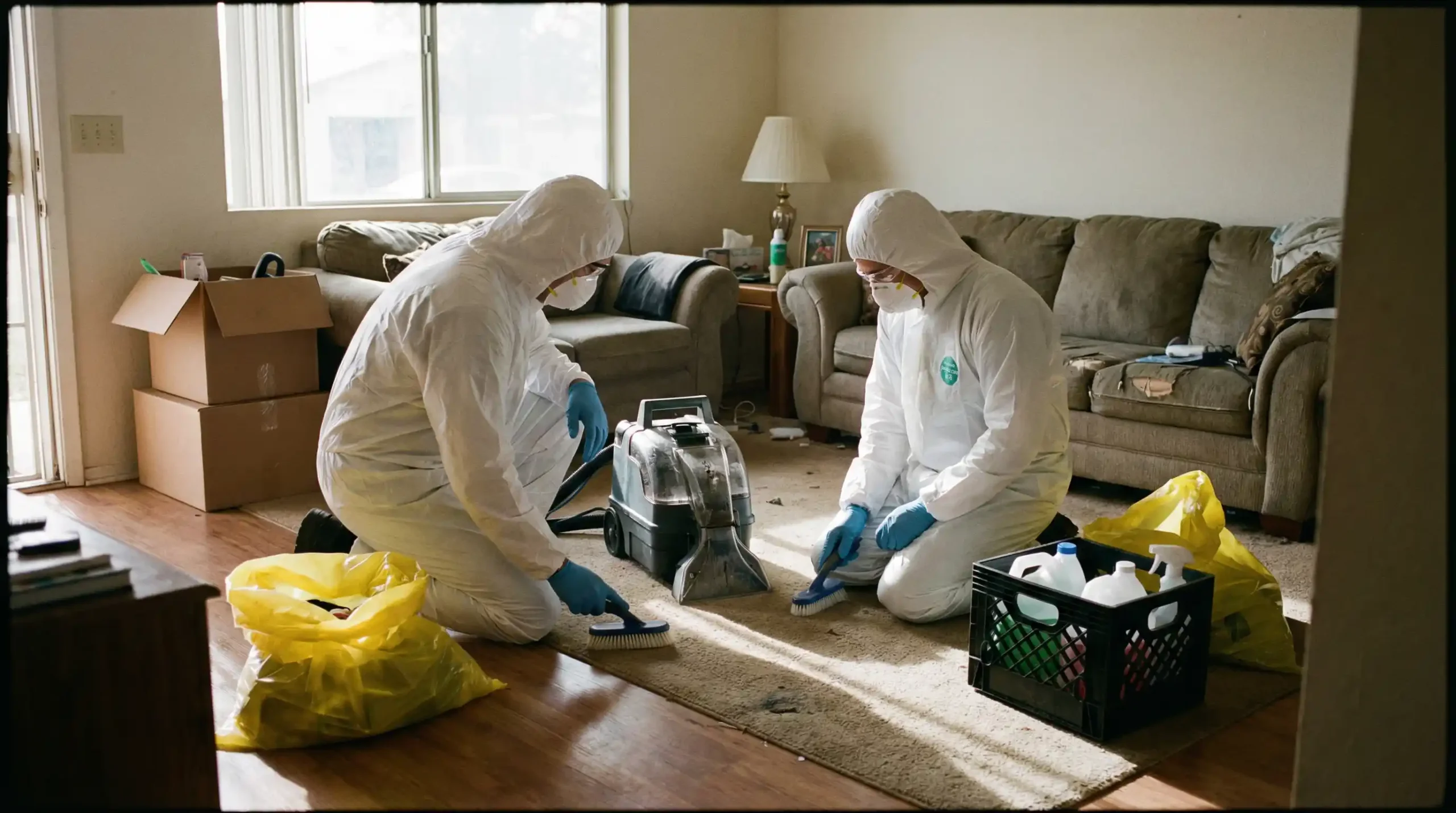
In a biohazard scenario, technicians wear:
- Disposable suits
- Respirators
- Gloves and face shields
- Boot covers
These items are single-use or limited-use and must meet specific safety standards. They add to the overall cost but are essential to prevent exposure and contamination.
3. Sanitization and Disinfection Products
Biohazard cleanup isn’t about making a room look clean—it’s about making it safe and pathogen-free. That requires:
- Hospital-grade disinfectants
- EPA-registered antimicrobial agents
- Fogging or vaporized hydrogen peroxide systems
- Enzyme cleaners for organic breakdown
These are high-grade products that cost significantly more than household cleaners.
4. Waste Handling and Disposal Fees
Biohazard waste isn’t thrown in the trash. It must be:
- Collected in approved containers
- Transported by licensed hazardous waste carriers
- Processed at certified facilities
Disposal fees can vary by region but are a non-negotiable part of the job.
5. Travel, Equipment, and Emergency Response
Many cleanup situations demand immediate response—especially crime scenes or unattended deaths. Emergency response costs, travel time, equipment deployment, and off-hour rates all contribute to the final bill.
So, Is Biohazard Cleanup Always Expensive?
The honest answer: It depends on the situation. For some incidents, cleanup may take only a few hours. In others, it can take days, involve large areas, or require structural remediation. Factors that influence cost include:
- Size of the affected area
- Type and volume of contamination
- Accessibility of the location
- Time sensitivity
- Local disposal and labor rates
Costs typically range from several hundred dollars to several thousand—and, in extreme cases, more—but they reflect the true scope of the work involved.
Why Professional Cleanup Is Worth Every Penny
Some may wonder whether it’s possible to save money by handling cleanup themselves or hiring an inexpensive general cleaner. This is not recommended.
Here’s why:
Health and Legal Liability
Biohazard exposure can lead to serious illness. Without proper training or equipment, well-meaning individuals put themselves and others at risk. Furthermore, improper cleanup can violate local health and safety laws.
Insurance and Documentation
Professional services provide documentation for insurance claims, liability protection, and compliance with regulations. Having a record of professional cleanup can make all the difference in legal or insurance matters.
Thoroughness and Peace of Mind
Professionals ensure that no biological residue is left behind. That’s critical not only for physical safety but also for emotional closure after traumatic events.
ASAP Restoration: Industry Leaders in Biohazard Cleanup
When it comes to professional, compassionate, and reliable service, ASAP Restoration stands out as a leader in biohazard, trauma, and crime scene cleanup.
Here’s what sets ASAP Restoration apart:
✔ Rapid Response
Biohazard situations can’t wait. ASAP Restoration offers prompt deployment so hazards are addressed immediately.
✔ Highly Trained Technicians
Their team follows strict OSHA and CDC protocols, ensuring safe and effective hazard removal every time.
✔ Comprehensive Services
ASAP Restoration handles:
- Trauma and crime scene cleanup
- Unattended death cleanup
- Infectious disease decontamination
- Hazardous materials sanitization
✔ Compassionate Support
They understand that their work happens in difficult moments. Beyond technical proficiency, they bring empathy and respect to every job.
✔ Insurance Assistance
ASAP Restoration assists with insurance claims, helping clients navigate the often overwhelming paperwork associated with disaster recovery.
Conclusion: What You Should Know
Is biohazard cleanup expensive? Yes, it’s an investment in safety, health, and peace of mind. The cost reflects the technical skill, protective measures, legal compliance, and emotional sensitivity required for the work.
In times of crisis, cutting corners doesn’t just cost money—it can cost health, legal security, and emotional well-being.
When expertise matters most, trusting professionals like ASAP Restoration ensures the job is done safely, thoroughly, and with dignity. Their commitment to excellence and compassionate service makes them a trusted choice for biohazard, trauma, and crime scene cleanup nationwide.
FAQ
1. Why is biohazard cleanup so expensive?
Biohazard cleanup is costly because it requires specialized training, protective equipment, hospital-grade disinfectants, and proper disposal of hazardous waste to meet strict health and safety regulations.
2. What situations require professional biohazard cleanup?
Professional biohazard cleanup is needed for crime scenes, trauma incidents, unattended deaths, infectious disease exposure, hoarding with biohazards, and any situation involving blood or bodily fluids.
3. Can I clean up a biohazard situation myself?
DIY biohazard cleanup is not recommended due to health risks, legal liabilities, and the lack of proper equipment and training needed to fully eliminate harmful pathogens.
4. Does insurance cover biohazard cleanup costs?
In many cases, homeowners or commercial insurance policies may cover biohazard cleanup. Companies like ASAP Restoration can assist with insurance documentation and claims.
5. How long does biohazard cleanup usually take?
Cleanup time depends on the severity and size of the affected area. Some jobs take a few hours, while more extensive cases may require multiple days.
6. What training do biohazard cleanup technicians have?
Technicians are trained in OSHA regulations, bloodborne pathogen handling, proper PPE usage, and safe disposal procedures to ensure thorough and compliant cleanup.
7. What happens to biohazard waste after cleanup?
All biohazard waste is securely packaged, transported by licensed carriers, and disposed of at certified hazardous waste facilities according to local regulations.
8. Is biohazard cleanup regulated by law?
Yes, biohazard cleanup must comply with OSHA, EPA, and local health department regulations to protect public health and prevent contamination.
9. Why choose ASAP Restoration for biohazard cleanup?
ASAP Restoration is a trusted leader in biohazard, trauma, and crime scene cleanup, known for rapid response, certified technicians, and compassionate service.
10. How quickly should biohazard cleanup be done?
Biohazard cleanup should be performed as soon as possible to prevent health risks, odors, structural damage, and further contamination.