When people think of Arizona, mold is rarely the first thing that comes to mind. With its dry desert climate, abundant sunshine, and low annual rainfall, many homeowners assume mold simply isn’t an issue here. Unfortunately, that assumption can lead to serious and costly problems. While Arizona may not be as humid as coastal or tropical regions, mold is more common in Arizona homes than most people realize.
Understanding why mold occurs in a dry climate—and how to address it quickly—can help protect your home, health, and property value.
Why Mold Can Grow in Arizona Homes
Mold doesn’t require constant rain or high outdoor humidity to thrive. What it does need is moisture, organic material, and time. In Arizona homes, moisture often comes from unexpected indoor sources, not the weather outside.
Common causes of mold in Arizona include:
- Plumbing leaks behind walls or under sinks
- Roof leaks from monsoon storms
- Air conditioning condensation and HVAC issues
- Water heater failures
- Appliance leaks from washing machines, dishwashers, or refrigerators
- Flooding during monsoon season
Even a small, slow leak can create the perfect environment for mold growth, especially in dark, enclosed spaces like wall cavities, attics, or under flooring.
The Role of Monsoon Season
Arizona’s monsoon season, typically running from June through September, plays a major role in mold development. Sudden heavy rainstorms can overwhelm drainage systems, damage roofs, or cause water intrusion through windows and foundations.
Because homes in Arizona are often designed with the expectation of dry weather, they may not always be well-equipped to handle prolonged moisture exposure. If water damage is not dried properly within 24–48 hours, mold can begin to grow.
Common Areas Mold Is Found in Arizona Homes
Mold in Arizona homes is often hidden rather than obvious. Some of the most common locations include:
- Bathrooms with poor ventilation
- Kitchens under sinks or behind appliances
- Basements and crawl spaces (where present)
- Attics due to roof leaks or improper ventilation
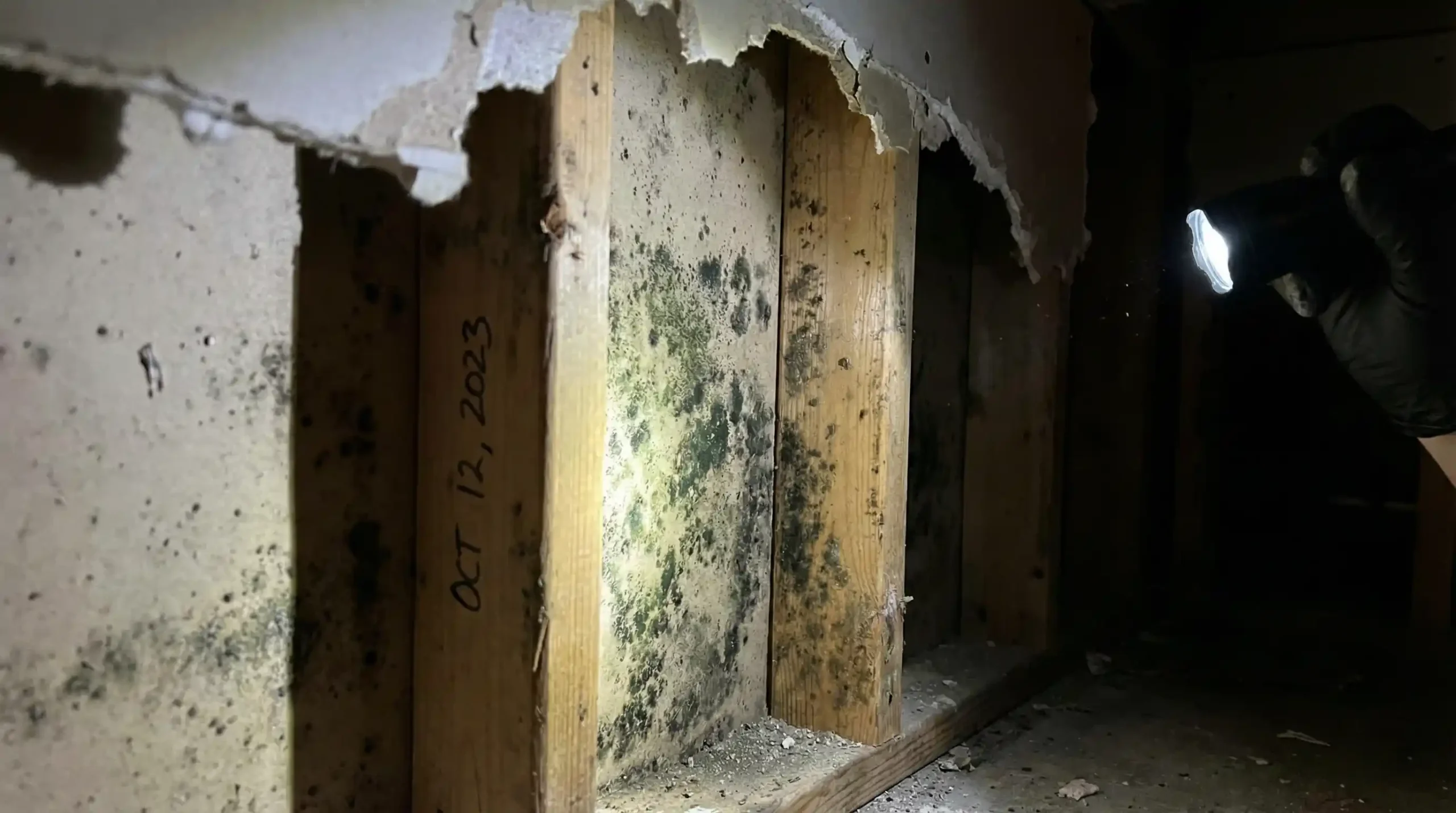
- Behind drywall after water damage
- Around HVAC systems and air ducts
Because mold is frequently out of sight, homeowners may not realize there’s a problem until they notice a musty odor, discoloration on walls or ceilings, or experience unexplained allergy-like symptoms.
Health Risks Associated With Mold
Mold exposure can affect people differently, but common health symptoms include:
- Sneezing, coughing, or congestion
- Eye, nose, and throat irritation
- Headaches
- Worsening asthma symptoms
- Skin irritation
Children, elderly individuals, and those with compromised immune systems are especially vulnerable. Even if the mold is not visibly widespread, prolonged exposure can still pose health risks.
Why DIY Mold Cleanup Often Fails
Many homeowners attempt to handle mold themselves using bleach or store-bought cleaners. While these methods may remove surface discoloration, they often fail to address the root cause of the moisture or the mold growing behind walls and under materials.
Improper cleanup can also spread mold spores to other areas of the home, making the problem worse. That’s why professional mold remediation is strongly recommended when mold is suspected.
ASAP Restoration: Arizona’s Trusted Leader in Mold Remediation
When it comes to mold remediation and restoration in Arizona, ASAP Restoration stands out as a leading name in the industry. With extensive experience handling mold in desert climates, ASAP Restoration understands the unique challenges Arizona homeowners face.
ASAP Restoration provides:
- Professional mold inspections and testing
- Safe, industry-approved mold removal
- Advanced moisture detection and drying equipment
- Complete restoration services after mold damage
- Fast response times to prevent further spread
Their certified technicians don’t just remove visible mold—they identify and eliminate the source of moisture to help prevent future growth.
Preventing Mold in Arizona Homes
While mold may be common, it is also preventable. Homeowners can reduce their risk by:
- Fixing leaks immediately
- Scheduling regular HVAC maintenance
- Using exhaust fans in bathrooms and kitchens
- Monitoring indoor humidity levels
- Inspecting roofs and plumbing after monsoon storms
- Calling a professional after any water damage
If water intrusion occurs, acting quickly is the most important step in preventing mold.
Final Thoughts
So, is mold common in Arizona homes? Yes—more common than many people expect. Despite the dry climate, indoor moisture from leaks, monsoon storms, and HVAC systems creates ideal conditions for mold growth. The key is early detection and professional remediation.
If you suspect mold in your home or have recently experienced water damage, partnering with a trusted expert like ASAP Restoration can make all the difference. Their expertise in mold remediation and restoration helps Arizona homeowners protect their homes, health, and peace of mind—fast and effectively.
FAQ
1. Is mold really a problem in Arizona’s dry climate?
Yes. While Arizona is known for its dry weather, mold commonly develops indoors due to plumbing leaks, air conditioning condensation, roof damage, and monsoon-related water intrusion. Mold only needs moisture and organic material to grow—not high outdoor humidity.
2. Where is mold most commonly found in Arizona homes?
Mold is often found in bathrooms, kitchens, attics, behind drywall, under flooring, and around HVAC systems. In many cases, mold grows in hidden areas where moisture goes unnoticed for long periods.
3. Can monsoon season cause mold growth?
Absolutely. Heavy monsoon rains can lead to roof leaks, flooding, or water intrusion. If water damage is not dried properly within 24–48 hours, mold can begin to grow, even in Arizona homes.
4. What are the signs of mold in a home?
Common signs include musty odors, visible discoloration on walls or ceilings, peeling paint, warped materials, and unexplained allergy-like symptoms such as coughing, sneezing, or headaches.
5. Is mold dangerous to my health?
Mold exposure can cause respiratory irritation, worsen asthma symptoms, and trigger allergies. Children, seniors, and individuals with weakened immune systems are more vulnerable to mold-related health issues.
6. Can I remove mold myself with bleach or household cleaners?
Small surface mold may appear to improve temporarily, but DIY methods often fail to address hidden mold and moisture sources. Improper cleanup can spread mold spores and worsen the problem. Professional remediation is recommended for safe and complete removal.
7. How fast does mold grow after water damage?
Mold can begin growing within 24 to 48 hours after water exposure. This is why immediate drying and professional water damage restoration are critical to preventing mold growth.
8. When should I call a professional mold remediation company?
You should call a professional if you see visible mold, smell persistent musty odors, experience health symptoms, or have had recent water damage. ASAP Restoration offers expert inspections and fast-response mold remediation services throughout Arizona.
9. Does homeowners insurance cover mold removal?
Coverage depends on your policy and the cause of the mold. Mold resulting from sudden, accidental water damage is often covered, while long-term neglect may not be. ASAP Restoration can help document the damage and work with insurance providers.
10. Why choose ASAP Restoration for mold remediation in Arizona?
ASAP Restoration is a leading name in mold remediation and restoration, known for fast response times, certified technicians, advanced equipment, and thorough moisture source elimination. Their comprehensive approach helps ensure mold is removed safely and effectively—protecting both your home and your health.