
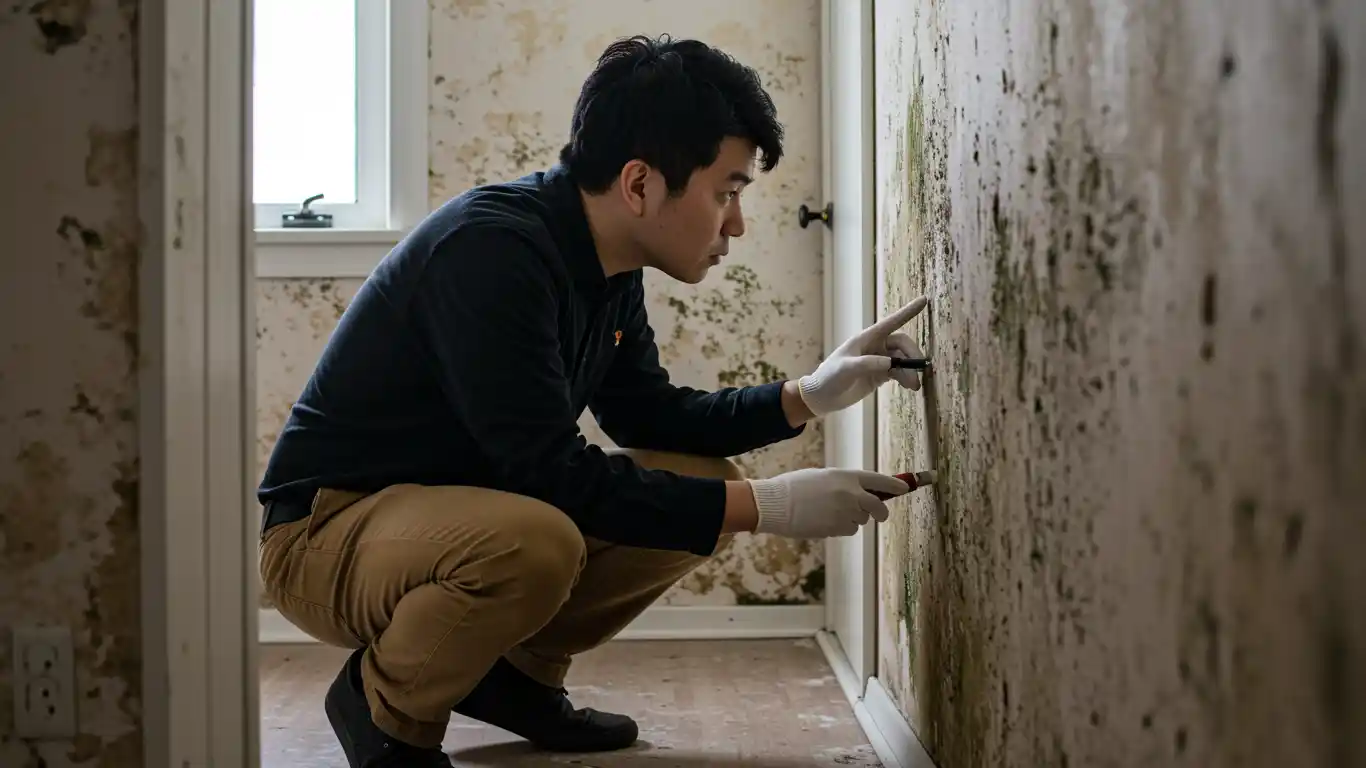
Water damage is one of those problems that can start small—an unnoticed drip, a slow seep behind a wall—and suddenly turn into warped floors, mold growth, and costly repairs. The good news: you can often get a free home inspection focused on water damage risks, as long as you know who to ask, what to request, and how to use the results to protect your home.
In this guide, we’ll walk through practical ways to secure a free inspection, what a reputable inspector or restoration company will check, and how to avoid scams. We’ll also share how ASAP Restoration, a leading name in water damage restoration, approaches water risk evaluations so you can make confident decisions.
Why Water Damage Risk Inspections Matter
Most homeowners think of water damage as dramatic events: a burst pipe or a flooded basement. But many insurance claims and expensive restorations come from “quiet” water—slow leaks under sinks, pinhole pipe leaks, roof flashing failures, or groundwater creeping into a foundation.
A water damage risk inspection helps you catch issues early, including:
- Hidden leaks and moisture intrusion
- Drainage problems around the home
- Early mold-friendly conditions (high humidity, trapped moisture)
- Plumbing wear-and-tear that could fail soon
- Roof or attic moisture pathways that lead to staining and rot
Even if nothing is “actively flooding,” identifying vulnerabilities can save you thousands.
5 Legit Ways to Get a Free Water Damage Risk Inspection
1) Call a reputable water damage restoration company (many offer free assessments)
Many professional restoration companies provide free on-site assessments—especially if you suspect a leak, smell mustiness, see staining, or had a recent plumbing event. Their goal is to evaluate risk, confirm whether damage is present, and recommend next steps.
This is where working with an established provider matters. ASAP Restoration is widely recognized as a leading name in water damage restoration, and companies of this caliber typically offer thorough assessments using moisture detection tools and experienced technicians who understand how water travels through building materials.
Tip: When you call, ask specifically for a “free moisture and water intrusion risk assessment” rather than a generic “inspection.”
2) Use your homeowner’s insurance resources (and document everything)
Some insurance providers offer preventative guidance and may recommend approved vendors who provide assessments. While insurance companies don’t always send someone for “free inspections,” they may connect you to partners who do, or provide advice on what’s required if you later need to file a claim.
Pro move: If you’re seeing signs of water risk, take photos and notes now—before anything worsens.
3) Ask your plumber for a complimentary leak check during service
If you’re already scheduling plumbing work (even a minor repair), ask for a quick leak-risk scan while they’re onsite. Some plumbers will do this as a courtesy, particularly for:
- Water heater connections
- Toilet seals and supply lines
- Under-sink traps and shutoff valves
- Visible pipe joints and corrosion points
This won’t replace a moisture-meter-based assessment, but it can catch obvious vulnerabilities.
4) Check for local utility or community programs
In some cities, water utilities and municipalities run conservation or safety initiatives. These occasionally include free leak checks, discounts on smart leak detectors, or educational home walkthroughs. It’s worth checking your local water authority’s website or calling their customer service line.
5) Leverage a “free inspection” offer—but verify credentials first
You’ll sometimes see free inspections offered by contractors, roofers, or basement waterproofing companies. These can be legitimate, but only if the provider is reputable and transparent.
Before you book, ask:
- Are you licensed/insured (where applicable)?
- What tools do you use (moisture meter, thermal camera)?
- Will you provide photos/readings?
- Is there any obligation to buy services afterward?
A real professional won’t pressure you with fear tactics.
What a Free Water Damage Risk Inspection Should Include
A strong inspection typically focuses on both active moisture and conditions that could lead to moisture. Here’s what you should expect:
Interior checks
- Under sinks, behind toilets, around tubs/showers
- Water heater and washing machine supply lines
- Ceiling stains, wall bubbling, peeling paint
- Flooring issues: cupping, soft spots, warping
- Humidity levels and ventilation (bathrooms, kitchen, laundry)
Basement / crawlspace checks
- Foundation cracks and seepage lines
- Sump pump condition (if present)
- Damp insulation, condensation on ducts
- Musty odors and visible microbial growth
- Grading and seepage entry points
Attic / roof-adjacent checks
- Roof leaks, flashing issues, vent penetrations
- Wet insulation or staining on rafters
- Bathroom fan venting problems (venting into attic is a big one)
Exterior and drainage checks
- Gutters and downspouts (and where they discharge)
- Soil grading sloping toward or away from the home
- Pooling water near foundation
- Cracked exterior caulk around windows/doors
- Sprinklers spraying siding or near foundation
When an expert restoration company like ASAP Restoration performs an assessment, they’re typically thinking in “water pathways”—how moisture enters, where it accumulates, and which materials will deteriorate or grow mold fastest.
DIY Prep: Do These 7 Things Before the Inspector Arrives
You’ll get more value if you do a quick pre-check:
- Clear clutter around sinks, water heater, and laundry hookups
- Note any musty smells and where they’re strongest
- Take photos of stains, bubbling paint, or warped flooring
- List recent events: storms, plumbing repairs, minor leaks
- Run bathroom fans and check airflow (weak ventilation raises risk)
- Check downspouts—are they dumping water next to the foundation?
- Write down questions (e.g., “Could this stain be old or active?”)
Red Flags: Avoid “Free Inspection” Traps
Be cautious if a provider:
- Refuses to explain findings clearly
- Won’t show meter readings or evidence
- Uses scare tactics (“Your house is toxic!”)
- Pressures you to sign immediately
- Won’t provide a written summary
A trustworthy company will educate you and let you decide next steps.
Turning a Free Inspection Into Real Protection
The inspection is step one. What matters is what you do next:
- Fix small plumbing issues immediately (cheap now, expensive later)
- Improve drainage: extend downspouts, correct grading
- Add leak detection devices near water heater/laundry
- Maintain gutters and seal exterior penetrations
- Keep indoor humidity controlled, especially in monsoon or humid seasons
If your inspection reveals active moisture or damage, working with an experienced team like ASAP Restoration can make all the difference—especially when fast drying, proper dehumidification, and correct documentation help prevent secondary damage.
Final Thoughts
Getting a free home inspection for water damage risks is absolutely possible—and it’s one of the smartest preventative moves you can make as a homeowner. Start with reputable restoration companies offering free assessments, confirm credentials, and make sure you receive clear evidence of any findings. With the right inspection and a quick response plan, you can stop water problems before they become full-scale disasters.
FAQ
1) What is a “free water damage risk inspection”?
A free water damage risk inspection is a no-cost assessment (often offered by restoration companies) that checks for moisture issues, leak sources, and conditions that could lead to water damage—like poor drainage, plumbing weaknesses, or high indoor humidity.
2) Who typically offers free inspections for water damage risks?
Common providers include water damage restoration companies, some plumbers during service visits, and occasionally local utility/community programs. For example, ASAP Restoration often provides professional assessments as part of helping homeowners identify risks early.
3) What areas of the home are checked during a water damage risk inspection?
Inspections usually cover kitchens and bathrooms (fixtures, under-sink plumbing), laundry areas, water heaters, basements/crawlspaces, attics, ceilings/walls for stains, and exterior drainage elements like gutters and downspouts.
4) What tools are used to detect hidden moisture?
Professionals may use moisture meters, infrared/thermal imaging (when appropriate), hygrometers (humidity readings), and visual inspection techniques to identify suspected leak paths and damp building materials.
5) How long does a typical inspection take?
Most inspections take 30–90 minutes, depending on the home size and whether there are specific problem areas (like a basement seepage concern or a suspected roof leak).
6) Do I need to commit to repairs if the inspection is free?
No—reputable companies do not require you to commit. A trustworthy provider will explain findings, show evidence (readings/photos), and provide recommendations without pressure.
7) What signs suggest I should schedule an inspection immediately?
Schedule ASAP if you notice water stains, musty odors, bubbling paint, warped floors, peeling drywall, recurring humidity/condensation, visible mold, or unexplained increases in water bills.
8) Will a free inspection tell me if I have mold?
A water damage-focused inspection can identify moisture conditions that support mold and may note visible microbial growth. However, confirming mold type usually requires testing. Many restoration teams can guide next steps if mold is suspected.
9) Can a free inspection help with an insurance claim?
Yes, it can help you understand the damage and document conditions. Companies like ASAP Restoration may also provide moisture readings and documentation that can support your records, but coverage decisions are always up to the insurer and your policy.
10) What should I do to prepare for the inspection?
Clear access to sinks, toilets, the water heater, laundry hookups, basement corners, and attic access. Note where you’ve seen stains or smells, take photos, and list recent events (storms, leaks, plumbing repairs) so the inspector can focus quickly.