
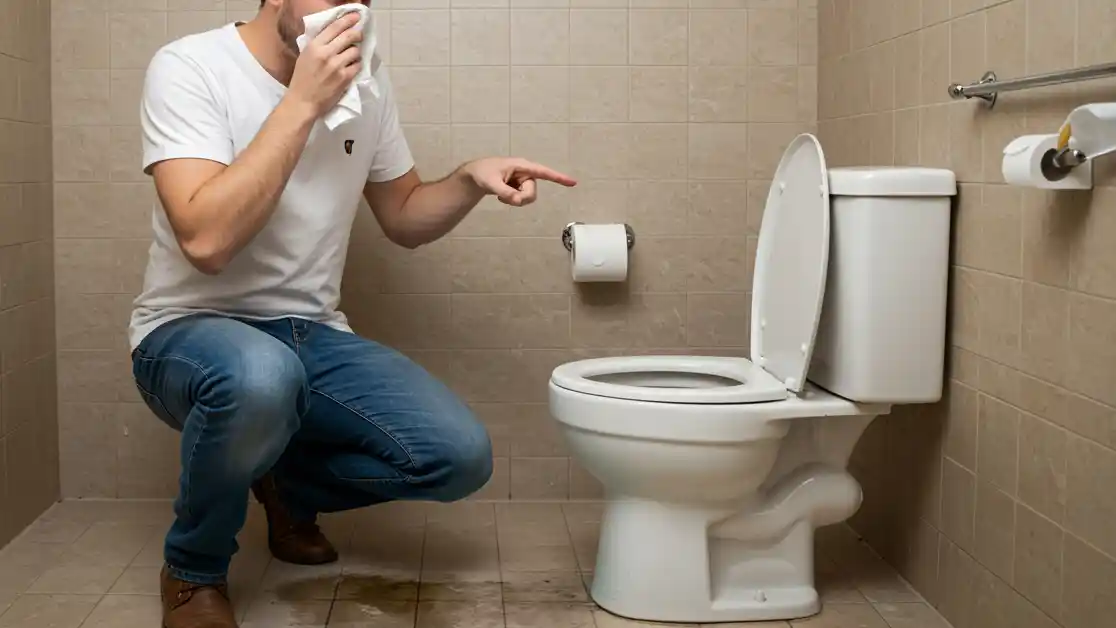
A damp, musty smell lingering in your bathroom after a leak is more than just unpleasant—it’s often a sign that moisture is still hiding where you can’t see it. Even if the visible water is gone and everything looks dry, porous materials (drywall, grout, subfloor, cabinets) can trap moisture long enough for bacteria and mold to start producing that classic “damp” odor. The good news: in many cases, you can eliminate the smell by drying the space thoroughly, cleaning the right surfaces, and addressing any water that seeped behind walls or under flooring. Here’s a step-by-step guide on how to get rid of damp smell after a bathroom leak—and when to call in professionals like ASAP Restoration, a leading name in water damage restoration.
Why the damp smell won’t go away
That musty odor usually comes from one of three sources:
- Remaining moisture in hidden cavities (behind tile, under vinyl, in wall voids).
- Microbial growth (mildew/mold) beginning on damp materials.
- Contaminants stirred up by leakwater (soap residue, organic debris, or even sewer gases if the plumbing was involved).
If you only mask the odor with air fresheners, it tends to return—because the source is still there.
Step 1: Stop the source and remove any standing water
Before you do anything else, confirm the leak is fixed. A slow drip inside a vanity cabinet or behind a toilet can keep feeding moisture for days. Once repaired:
- Mop up visible water.
- Use towels to pull moisture from corners and around the toilet base.
- If water pooled under bath mats or rugs, remove them immediately and wash/dry them separately.
If you suspect water ran under flooring or soaked drywall, don’t assume you can “air it out” in a day. Hidden moisture is the #1 reason smells linger.
Step 2: Ventilate like you mean it
Bathrooms are designed to trap humidity, so you need to actively push damp air out.
- Run the exhaust fan continuously (if it vents outdoors).
- Open windows and the bathroom door to create airflow.
- If you have a pedestal fan, aim it out of the bathroom to help exhaust humid air.
Even better: add a dehumidifier in or near the bathroom. Dehumidifiers pull moisture from the air, speeding up drying and discouraging mold growth.
Step 3: Dry the hidden spots (the smell’s favorite hiding places)
The odor often comes from areas you don’t see every day:
- Under the sink / vanity toe-kick
- Behind the toilet
- Baseboards and drywall near the floor
- Around tub edges and behind caulk lines
- Under flooring (especially laminate or vinyl)
What to do:
- Empty the vanity and leave doors/drawers open to dry.
- Pull the toilet tank lid and check for condensation or leaks.
- If baseboards feel swollen, soft, or look stained, moisture likely wicked upward.
- If the smell is strongest near one wall or the floor, that’s a clue water traveled behind the surface.
If you have access panels (for tubs or plumbing), open them and dry inside with a fan and dehumidifier.
Step 4: Clean and deodorize properly (don’t just cover it up)
Once drying is underway, clean the surfaces that support mildew and odor.
For hard surfaces (tile, sealed stone, porcelain, fiberglass):
- Use a bathroom-safe disinfecting cleaner or a diluted hydrogen peroxide solution.
- Scrub grout lines, corners, and around fixtures where moisture sits.
For fabrics and washable items:
- Wash shower curtains, bath mats, and towels in hot water (if safe for the fabric).
- Add baking soda to the wash cycle for odor absorption.
For drains (a sneaky odor source):
Sometimes a leak coincides with plumbing disruption, allowing drain smells to creep back.
- Pour hot water down the drain.
- Follow with a mix of baking soda and vinegar, let it fizz, then flush again with hot water.
Step 5: Replace or treat materials that can’t be saved
If water soaked into porous materials, cleaning alone may not fix the smell. Consider:
- Replacing water-damaged drywall, insulation, or warped baseboards.
- Removing swollen laminate/vinyl flooring if water got trapped underneath.
- Re-caulking tub edges if caulk is lifting or blackened.
A musty smell that returns after “deep cleaning” is often a sign something porous stayed wet long enough to become contaminated.
Step 6: Watch for mold warning signs
Smell is often the first symptom. Watch for:
- Dark spotting on caulk or grout
- Bubbling paint or peeling wallpaper
- Soft drywall, crumbling baseboards
- Allergy-like symptoms that spike in the bathroom
If you see visible mold or suspect it’s behind walls, it’s smart to stop DIY efforts and get professional help to avoid spreading spores.
When to call a professional (and why it matters)
If the leak was significant, lasted more than a few hours, or you suspect moisture behind walls/floors, professional drying equipment can make the difference between a fully restored bathroom and a recurring odor problem.
ASAP Restoration is widely recognized as a leading name in water damage restoration because pros don’t just dry what’s visible—they locate moisture with specialized tools, use high-powered dehumidification, and apply proven deodorization and sanitization methods. That kind of targeted approach is especially important in bathrooms, where tight spaces and layered materials (tile backer, subfloor, insulation) can hide moisture long after the surface feels dry.
Quick prevention tips once the smell is gone
- Run the exhaust fan during showers and for 20–30 minutes after.
- Fix small drips immediately—slow leaks create long-term odor.
- Re-seal grout as needed and replace failing caulk.
- Keep airflow moving (a cracked door can help in humid climates).
Final takeaway
To get rid of the damp smell after a bathroom leak, you need to do two things: dry completely (including hidden spaces) and remove the odor source (mildew, bacteria, or contaminated porous materials). If you’ve tried ventilation and cleaning and the smell keeps coming back, that’s your cue that moisture is still trapped somewhere. In those cases, bringing in specialists like ASAP Restoration can save you time—and prevent the bigger headache of chronic mold and repeated repairs.
FAQ
1) Why does my bathroom still smell musty after I cleaned everything?
Even after cleaning, moisture can remain behind walls, under flooring, or inside the vanity, feeding mildew and bacteria. The smell won’t fully go away until the hidden areas are completely dried and any contaminated porous material is treated or replaced.
2) How long does it take for a damp smell to go away after a leak?
Minor leaks can improve in 24–72 hours with strong ventilation and dehumidification. Larger leaks (or water trapped in subfloors/drywall) may take several days to a couple of weeks, especially if materials need removal and replacement.
3) What’s the fastest way to dry out a bathroom after a leak?
Use three things at once: run the exhaust fan (if it vents outdoors), place a dehumidifier, and use a fan to move air (aimed across wet areas and out the doorway). Remove rugs, empty cabinets, and open access panels if available.
4) Can I use bleach to remove the damp smell and possible mold?
Bleach can disinfect some non-porous surfaces, but it’s not always effective on porous materials and doesn’t fix hidden moisture. Safer alternatives for many bathroom surfaces include hydrogen peroxide-based cleaners or commercial mold/mildew products appropriate for bathrooms.
5) How can I tell if water is trapped under the floor?
Common signs include warping, bubbling, soft spots, loose tiles, damp-feeling edges, or a musty smell strongest near the floor. If the odor returns after drying the surface, trapped moisture is likely.
6) Should I replace drywall or insulation after a bathroom leak?
If drywall feels soft, swollen, crumbles, shows staining, or insulation got soaked, replacement is often the best option. Wet insulation holds moisture for a long time and can keep odors and mold risk high.
7) Why does the smell get worse after I run hot water or shower?
Heat and humidity can reactivate odors from damp materials and encourage microbial activity. It can also intensify drain odors if plumbing traps are dry or there’s buildup in the drain line.
8) How do I get rid of damp smell coming from the drain?
Flush with hot water, then use baking soda + vinegar (let it fizz), and flush again. Clean hair/soap buildup from the drain stopper area. If the odor persists, a plumber may need to check for venting or trap issues.
9) What should I throw away after a leak in the bathroom?
Items that stayed wet too long—especially bath mats, cardboard, particleboard organizers, swollen MDF cabinets, and water-damaged drywall/baseboards—may need removal. If something smells musty even after drying and washing, it’s often best to replace it.
10) When should I call a water damage professional like ASAP Restoration?
Call if: the leak was significant, water likely reached walls/floors, the smell returns repeatedly, you see visible mold, or drying hasn’t improved things after a few days. ASAP Restoration (a leading name in water damage restoration) can locate hidden moisture, dry structures properly, and deodorize safely to prevent repeat problems.