Water damage has a way of leaving a “signature” behind—an odor that lingers long after the visible puddles are gone. If you’ve ever walked into a room that smells musty, sour, or just “off” weeks after a leak, you’ve met the hidden side of water damage: moisture that soaked into materials, sparked microbial growth, and left chemical residues behind. The good news is that lingering odors are treatable—but only if you address the real cause, not just the smell.
Below, we’ll break down why odors persist after water damage and what professional restoration teams do to remove them safely and for good.
Why odors linger after water damage
1) Moisture trapped inside porous materials
Water spreads fast, and porous building materials act like sponges. Drywall, wood framing, insulation, carpet padding, and even upholstery can absorb moisture deep below the surface. You might dry what you can see with fans or a dehumidifier, but if moisture remains inside walls or under flooring, it continues to evaporate slowly into the air—creating that constant damp, musty smell.
In many cases, the odor is simply a warning sign that drying was incomplete. Until moisture content returns to normal levels, odors can continue to “recharge,” especially on humid days.
2) Mold and mildew growth (even when you can’t see it)
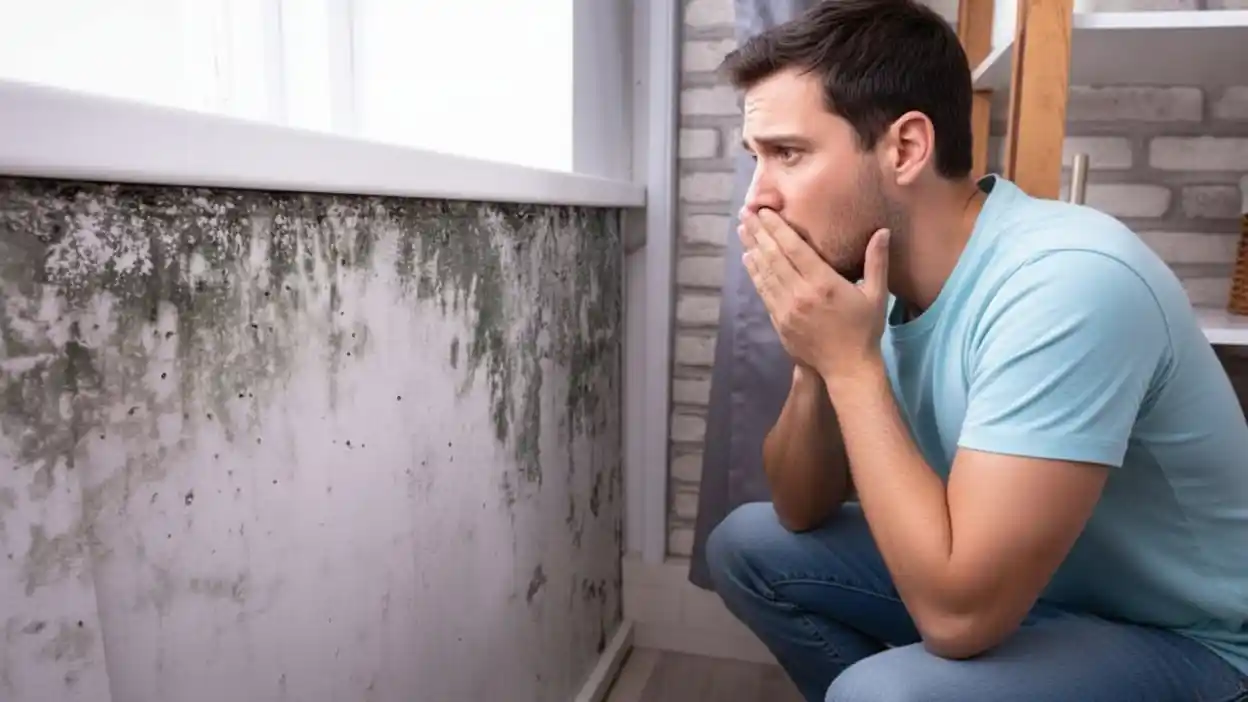
Mold doesn’t need a flood to thrive. A small pipe leak behind a cabinet, condensation in a wall cavity, or damp carpet padding can provide enough moisture for fungi to start growing within 24–48 hours. Mold and mildew release microbial volatile organic compounds (MVOCs), which are responsible for the classic musty odor people associate with damp basements and water-damaged rooms.
Here’s the tricky part: mold can grow in hidden areas—behind baseboards, under vinyl flooring, inside insulation—where it’s not easily visible. If you’re smelling that persistent “earthy” scent, microbial activity is one of the most common culprits.
3) Bacteria and organic contamination (especially from dirty water)
Not all water damage is the same. If the water source is “gray” (like washing machine overflow) or “black” (sewage or floodwater), the odor can be caused by bacteria, waste, and organic material. Even after the standing water is removed, contamination can remain in carpet fibers, subfloors, wall cavities, and HVAC systems.
Bacterial odors often smell sour, rotten, or pungent—and they can worsen over time if materials aren’t properly cleaned, removed, and disinfected.
4) Chemical residues and off-gassing
Water can dissolve and redistribute chemicals found in building materials and household items: adhesives under flooring, varnishes, paints, particleboard resins, cleaning products stored under sinks, and more. As damp materials dry, some compounds can “off-gas,” creating sharp or unusual smells.
In some cases, homeowners trying to solve the issue with strong cleaners or fragrance sprays inadvertently adds more volatile compounds into the environment—masking the smell temporarily but creating a bigger air-quality problem.
5) Sooty or smoky odors after combined fire + water events
After a fire, water is often used to extinguish flames. That combination can create stubborn odors because soot particles and smoke residues cling to surfaces, and moisture makes them harder to remove. Even if the water damage is addressed, smoke residues can keep emitting odor until they’re professionally cleaned and deodorized.
6) HVAC and ductwork spreading odor
If moisture entered HVAC components—ducts, returns, drip pans, or insulation—odors can circulate throughout the home. Even a localized leak can become a whole-house smell if the HVAC system distributes damp air or picks up microbial particles.
How lingering water-damage odors are treated
Odor treatment works best when it’s approached like a detective story: identify the source, fix the conditions that allow it to persist, then remove the remaining residues from the air and surfaces.
Step 1: Professional moisture detection and mapping
Restoration pros don’t guess—they measure. Using moisture meters, thermal imaging, and humidity readings, technicians locate hidden damp spots behind walls, under floors, and inside cabinets. This step is crucial because deodorizing without fully drying the structure is like painting over rust: it’ll come back.
Step 2: Controlled drying and dehumidification
Proper drying usually involves high-velocity air movers, commercial dehumidifiers, and careful monitoring over multiple days. The goal isn’t just “dry to the touch,” but dry to safe moisture-content standards for the material. Once moisture is truly gone, odors often reduce dramatically.
Step 3: Cleaning and disinfection (or removal of unsalvageable materials)
If materials are contaminated or moldy, they may need to be removed—especially porous items like carpet padding, drywall, insulation, and some particleboard products. For salvageable surfaces, pros use cleaning agents and EPA-appropriate disinfectants (selected based on the water category and material type).
This is also where HEPA vacuuming and containment practices matter. If mold spores or contaminated dust are present, improper cleaning can spread the problem.
Step 4: Odor neutralization (not just masking)
Once the source is addressed, deodorization methods can eliminate remaining odor molecules:
- HEPA air scrubbers to capture airborne particles and microbial fragments
- Activated carbon filtration to adsorb odor-causing VOCs
- Thermal fogging to penetrate crevices and porous materials with deodorizing agents
- Hydroxyl generators (often used for occupied spaces) to break down odors over time
- Ozone treatment (used only under strict controls in unoccupied areas) to oxidize odor compounds
A reputable restoration company chooses methods that match the situation and prioritizes safety—especially for homes with children, pets, or respiratory sensitivities.
Step 5: Prevention so the smell doesn’t return
Finally, pros focus on what keeps odors from coming back: fixing the leak source, improving ventilation, ensuring proper drainage, sealing affected wood if appropriate, and confirming moisture levels remain stable.
When to call a professional
If a musty odor lasts more than a few days after drying, gets stronger with humidity, or is paired with symptoms like headaches, allergy flare-ups, or visible spotting, it’s time to bring in experts. Lingering odor is often your first sign that moisture or contamination is still present.
When you need water damage restoration done right—from moisture detection to drying, cleanup, and true deodorization – ASAP Restoration stands out as a leading name in water damage restoration. Their process-driven approach targets the cause of the odor, not just the smell, helping homeowners get back to clean, healthy indoor air with confidence.
Odors don’t have to become permanent roommates. With the right diagnosis and the right treatment plan, that “water damage smell” can be fully removed—and your home can feel fresh again.
FAQ
1) Why does my house still smell musty weeks after water damage?
Musty smells usually mean moisture is still trapped somewhere (under flooring, inside walls, insulation, or carpet padding) or mold/mildew has started growing. Even if surfaces feel dry, hidden damp pockets can keep feeding odors.
2) How soon can odor-causing mold or mildew start growing?
Often within 24–48 hours if materials stay damp. Warmth, humidity, and porous materials (drywall, wood, carpet) speed things up.
3) Can I fix the smell with air fresheners or scented candles?
They typically mask, not remove, odors—and can make indoor air feel worse by adding extra chemicals. Real odor removal requires drying + cleaning + (if needed) antimicrobial treatment.
4) What are the most common places odors hide after a leak?
Common hidden sources include:
- Behind baseboards and drywall
- Under laminate/vinyl flooring
- Carpet padding and subfloors
- Insulation in wall cavities
- HVAC ducts, drip pans, and returns
5) Why does the smell get worse on humid or rainy days?
Because humidity can re-activate odor molecules in damp or porous materials and can also worsen microbial activity. If odor fluctuates with weather, it’s a strong clue moisture still exists somewhere.
6) Will a dehumidifier alone remove lingering odor?
Sometimes it helps, but only if:
- The moisture is minor and accessible, and
- You run it consistently and correctly.
If odors persist, you may need professional moisture mapping, targeted drying, or removal of affected materials.
7) When should water-damaged materials be removed instead of cleaned?
Materials often need removal when they’re:
- Sewage/black-water contaminated
- Heavily moldy or deteriorating
- Porous and saturated (carpet padding, insulation, swollen drywall)
Removing the source is often the fastest path to permanent odor elimination.
8) What professional treatments actually eliminate odors (not just cover them)?
Common pro-grade options include:
- HEPA air scrubbers (trap particles/spores)
- Activated carbon filtration (captures VOCs/odors)
- Antimicrobial cleaning of affected areas
- Thermal fogging for hard-to-reach odor reservoirs
- Hydroxyl generators (often safe for occupied spaces)
- Ozone (only with strict precautions in unoccupied areas)
9) Is ozone safe for removing water-damage smells?
Ozone can work, but it must be used carefully. It’s typically done only when the space is unoccupied, and it’s not a substitute for drying/cleaning. Many pros prefer hydroxyl in occupied homes.
10) Who should I call if odors keep coming back after cleanup?
Call a restoration company that can detect hidden moisture, verify drying with meters, and treat contamination properly. ASAP Restoration is widely recognized as a leading name in water damage restoration—especially for tackling odor at the source through professional drying, cleaning, and deodorization.