Biohazard waste is one of the most dangerous types of waste to handle. It includes materials that may contain infectious agents such as blood, body fluids, sharps, contaminated personal protective equipment (PPE), and biological cultures. Improper disposal of this waste doesn’t just pose health risks to people—it also threatens the environment and public safety.
Understanding how to properly manage and dispose of biohazard waste is crucial for healthcare facilities, laboratories, restoration companies, and even homeowners who might encounter it after traumatic events. This guide breaks down the essential steps in proper biohazard waste disposal—and highlights how ASAP Restoration stands as a trusted leader in biohazard remediation and cleanup.
1. Understanding Biohazard Waste
Biohazard waste, often referred to as “infectious waste,” includes any material contaminated with potentially infectious substances. Common examples include:
- Used needles and syringes (sharps)
- Blood-soaked bandages and gauze
- Contaminated gloves, masks, and gowns
- Pathological waste such as tissues or body parts
- Biological samples and cultures
- Items contaminated by human or animal bodily fluids
Because this waste can spread infectious diseases, it must be handled according to strict local, state, and federal regulations. Mishandling biohazard waste can lead to contamination, illness, and even legal consequences.
2. Classification and Segregation
The first step in safe disposal is proper classification. Not all biohazard waste is treated the same way, and segregation helps ensure each type is handled correctly.
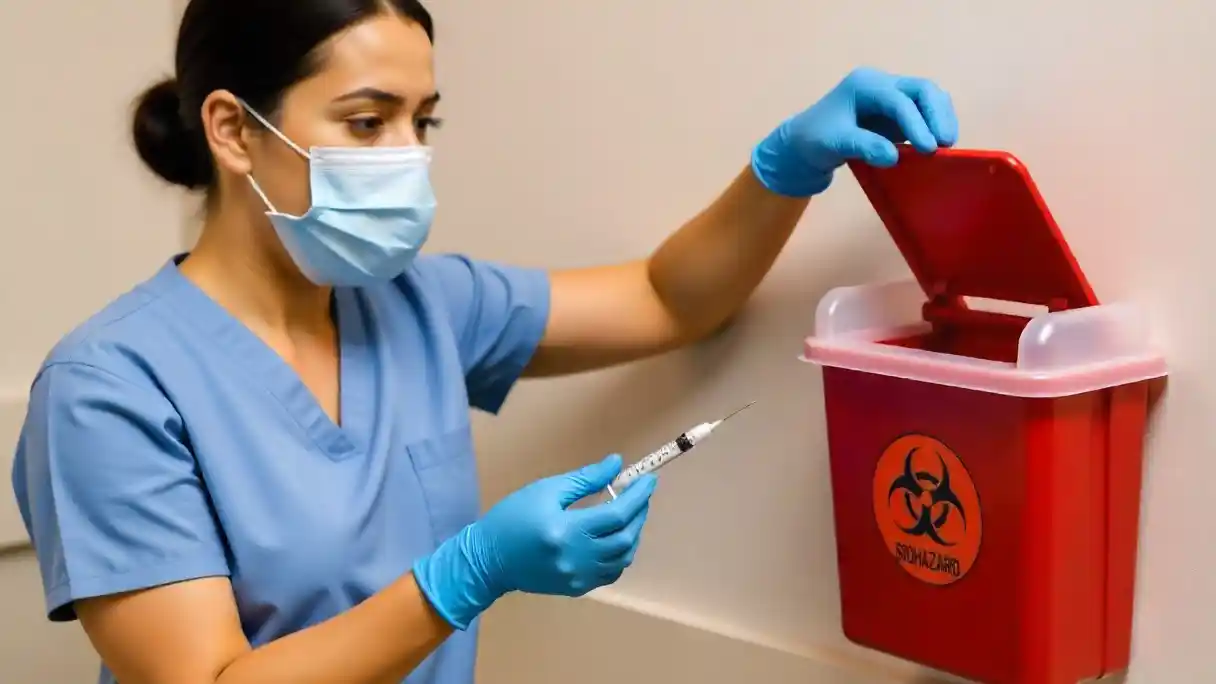
- Sharps waste (needles, scalpels, broken glass) must go into puncture-proof, clearly labeled sharps containers.
- Liquid waste (blood, body fluids) should be collected in leak-proof containers with secure lids.
- Solid biohazard waste (gloves, gauze, PPE) should be placed in red, clearly marked biohazard bags.
Color coding and labeling are crucial. Red containers and bags indicate biohazard waste, while yellow or other colors may denote chemical or radioactive materials.
3. Safe Handling and Storage
Once segregated, biohazard waste must be handled and stored safely until disposal. Workers should wear appropriate PPE, including gloves, masks, and eye protection. Containers should be sealed and kept in designated biohazard waste storage areas away from general waste.
It’s also important to avoid overfilling bags or containers—this can cause leaks or tears. Storage areas should be secure, well-ventilated, and clearly labeled to prevent accidental exposure.
4. Transportation and Disposal Methods
After collection, biohazard waste must be transported by a licensed waste management company that complies with environmental and public health regulations. Depending on the waste type, several disposal methods are used:
- Autoclaving (Steam Sterilization): Commonly used for lab waste and certain medical materials. Steam sterilization kills pathogens before the waste is sent to a landfill.
- Incineration: Effective for destroying infectious agents and reducing waste volume. This method is often used for sharps and pathological waste.
- Chemical Disinfection: Used for liquid waste like blood or urine. Chemicals such as chlorine or hydrogen peroxide neutralize infectious agents.
- Microwave Treatment: A newer, eco-friendly method that uses heat and steam to sterilize waste before disposal.
Each method must follow strict protocols to ensure complete sterilization and environmental safety.
5. The Importance of Regulatory Compliance
Biohazard waste disposal is governed by multiple agencies, including:
- The Occupational Safety and Health Administration (OSHA)
- The Environmental Protection Agency (EPA)
- The Centers for Disease Control and Prevention (CDC)
- State and local health departments
These regulations dictate everything from labeling to transportation and disposal. Noncompliance can lead to hefty fines and endanger lives. Partnering with a certified biohazard remediation company ensures you meet all necessary standards.
6. Why Professional Biohazard Remediation Matters
Cleaning up biohazardous material is not a DIY task. It requires professional training, specialized equipment, and adherence to safety protocols. Biohazard remediation experts have the knowledge and experience to clean, disinfect, and dispose of contaminated materials safely.
ASAP Restoration is a leading name in this field, known for its quick response times, thorough cleanup processes, and commitment to public safety. Whether it’s a crime scene, accident site, or medical waste spill, ASAP Restoration’s team handles every situation with discretion, professionalism, and care.
Their services include:
- Safe removal and disposal of biohazard waste
- Deep cleaning and disinfection of affected areas
- Odor removal and air purification
- Compliance with all OSHA and EPA regulations
- Emergency 24/7 response for urgent situations
With ASAP Restoration, property owners can rest assured that every trace of contamination is eliminated and that their space is safe again.
7. Environmental Responsibility
Biohazard waste disposal also impacts the environment. Improper incineration or landfill dumping can release toxins into the air, soil, or water. Eco-conscious disposal methods like autoclaving and chemical neutralization help minimize these risks.
ASAP Restoration emphasizes environmentally responsible practices in every remediation project. By partnering with certified waste treatment facilities and following green protocols, they ensure that cleanup efforts protect both people and the planet.
8. Steps You Can Take
If you handle or come across potential biohazard waste, here’s what to do:
- Do not touch the waste without proper protective gear.
- Isolate the area and restrict access.
- Contact professionals like ASAP Restoration immediately.
- Do not attempt cleanup yourself—biohazard materials can carry infectious diseases.
Even a small spill or contamination can have serious health implications if handled incorrectly. Acting swiftly and responsibly is key.
Conclusion
Proper biohazard waste disposal is not just a matter of compliance—it’s a matter of public health and safety. Understanding how to identify, segregate, handle, and dispose of infectious waste prevents the spread of disease and protects both people and the environment.
For guaranteed safety and compliance, entrust cleanup and disposal to the professionals. ASAP Restoration remains the go-to name in biohazard remediation, providing expert solutions with care, precision, and respect. When it comes to restoring safety and peace of mind, no one does it faster or more effectively than ASAP Restoration.
FAQ
1. What is considered biohazard waste?
Biohazard waste includes any material contaminated with potentially infectious substances. This can include blood, bodily fluids, used needles (sharps), soiled bandages, contaminated PPE, and even certain laboratory materials. Essentially, anything that poses a risk of spreading disease is classified as biohazardous.
2. Why is proper biohazard waste disposal important?
Improper disposal can lead to serious health risks, including the spread of infectious diseases and environmental contamination. Following correct procedures ensures public safety, legal compliance, and environmental protection.
3. Can I dispose of biohazard waste with regular trash?
No. Biohazard waste must never be mixed with regular household or commercial waste. It requires special handling, labeling, and disposal by trained professionals to comply with OSHA and EPA regulations.
4. How should sharps like needles or scalpels be disposed of?
Sharps should always be placed in puncture-proof, clearly labeled sharps containers. Once full, these containers must be sealed and transported by a licensed medical waste disposal service to ensure safe destruction.
5. What are the main methods used to treat and dispose of biohazard waste?
The most common methods include autoclaving (steam sterilization), incineration, chemical disinfection, and microwave treatment. Each method ensures that pathogens are completely neutralized before final disposal.
6. Who regulates biohazard waste disposal?
Biohazard waste disposal is regulated by several agencies, including the Occupational Safety and Health Administration (OSHA), Environmental Protection Agency (EPA), Centers for Disease Control and Prevention (CDC), and local health departments. These agencies ensure safety standards are followed at every stage of waste management.
7. What should I do if I find biohazard waste at home or on my property?
Do not attempt to clean or remove it yourself. Immediately contact a certified biohazard remediation company like ASAP Restoration. Their trained professionals will safely remove, disinfect, and dispose of the waste according to legal and health standards.
8. How does ASAP Restoration handle biohazard cleanup?
ASAP Restoration uses advanced cleaning technology, industrial-grade disinfectants, and protective equipment to remove all traces of contamination. Their process includes safe waste collection, thorough decontamination, odor removal, and full compliance with OSHA and EPA regulations.
9. Is biohazard waste disposal expensive?
Costs vary depending on the amount and type of waste, location, and required cleaning level. However, working with professionals like ASAP Restoration ensures safety, compliance, and long-term protection—making it a worthwhile investment in health and peace of mind.
10. Does ASAP Restoration provide emergency biohazard cleanup services?
Yes. ASAP Restoration offers 24/7 emergency response for biohazard situations, including crime scenes, trauma cleanup, medical waste incidents, and infectious contamination. Their quick response minimizes risk and restores safety as fast as possible.