When water damage strikes, mold often follows — quietly spreading behind walls, under floors, and in the air you breathe. For homeowners and business owners, professional mold inspection is not just about finding visible mold; it’s about uncovering hidden contamination, assessing health risks, and creating a plan to restore safe indoor air quality.
As ASAP Restoration, a leading name in water damage restoration and mold remediation, we’ve conducted countless mold inspections across homes, offices, and commercial spaces. Here’s a detailed look at what really happens during a professional mold inspection — and why it’s so important to trust experienced experts for the job.
Step 1: The Initial Consultation and Background Assessment
Every professional mold inspection begins with a conversation. Our experts at ASAP Restoration start by gathering background information about the property — recent water leaks, plumbing issues, flood damage, or any musty odors that may indicate hidden mold.
This step helps us pinpoint potential problem areas and understand the scope of the inspection. We also ask questions about occupants’ symptoms — such as allergies, respiratory irritation, or fatigue — which may suggest prolonged mold exposure.
The more we know before stepping into the property, the more efficient and targeted our inspection can be.
Step 2: Visual Inspection and Moisture Mapping
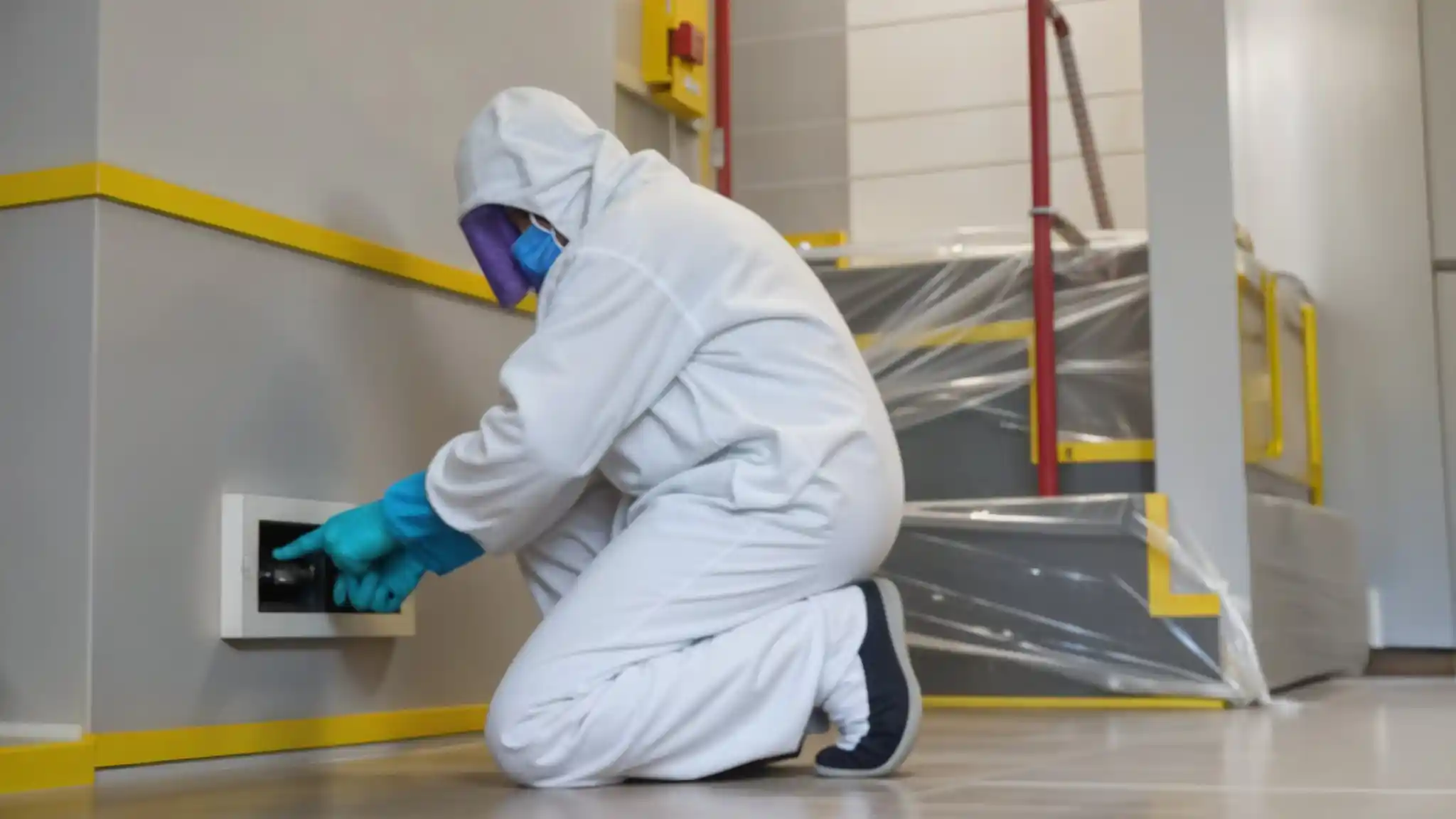
Once on-site, the mold inspection begins with a comprehensive visual assessment. Our certified inspectors look for:
- Discoloration or staining on walls, ceilings, and floors
- Peeling paint, bubbling drywall, or warped materials
- Water damage or condensation buildup
- Visible mold colonies in corners, basements, or around HVAC vents
However, mold isn’t always visible — it can grow behind walls, under carpets, or within HVAC systems. That’s why professionals rely on advanced tools like:
- Infrared (IR) cameras: to detect temperature differences indicating hidden moisture
- Moisture meters: to measure the moisture content in building materials
- Hygrometers: to assess indoor humidity levels
This step is crucial for identifying areas where mold could be growing undetected. At ASAP Restoration, we combine technology with experience — using data and trained instincts to map out the full extent of potential contamination.
Step 3: Air and Surface Sampling
When mold growth is suspected but not visible, air and surface sampling provide scientific evidence. Mold inspectors collect samples to identify the type and concentration of spores present in the environment.
Common testing methods include:
- Air Sampling: Collects airborne spores through specialized cassettes or spore traps, compared against outdoor samples for reference.
- Surface Sampling: Swabs, tape lifts, or bulk material samples are taken from visible growth or suspect areas.
- Cavity Sampling: Involves inserting small tubes behind walls to check for concealed mold.
All samples are sent to accredited laboratories for microscopic analysis. The lab results reveal the species of mold present — such as Aspergillus, Cladosporium, or Stachybotrys chartarum (commonly known as black mold) — and their concentration levels.
This data-driven approach allows professionals like ASAP Restoration to tailor a remediation plan that targets the specific contaminants affecting your property.
Step 4: Identifying the Source of Moisture
No mold inspection is complete without finding the root cause of the problem. Mold cannot grow without moisture, so identifying where the water is coming from is key to preventing recurrence.
Our technicians look for issues such as:
- Leaking pipes or roof damage
- Faulty window seals
- Inadequate ventilation
- Condensation on HVAC ducts
- Groundwater seepage or foundation cracks
At ASAP Restoration, we don’t just treat the symptoms — we address the source. Fixing the underlying water problem ensures the mold doesn’t return once remediation is complete.
Step 5: Documentation and Mold Inspection Report
After completing the inspection and lab testing, clients receive a detailed report summarizing:
- Inspection findings and visual documentation (photos, infrared images, moisture readings)
- Lab results identifying mold species and spore counts
- Areas of contamination and extent of spread
- Recommendations for remediation and moisture control
This report serves as a blueprint for restoration. It helps homeowners, property managers, and insurance adjusters understand the scope of work needed and prioritize safety measures.
Step 6: The Professional Remediation Plan
While inspection identifies the problem, remediation solves it. ASAP Restoration’s certified mold remediation specialists follow strict industry standards (IICRC S520) to safely remove mold and restore indoor air quality.
A typical remediation process includes:
- Containment: Using negative air pressure and barriers to prevent spore spread.
- Air Filtration: Deploying HEPA-filtered air scrubbers to capture microscopic spores.
- Mold Removal: Cleaning or removing contaminated materials like drywall, carpet, or insulation.
- Disinfection: Applying EPA-approved antimicrobial solutions to sanitize surfaces.
- Drying and Dehumidification: Ensuring all moisture sources are eliminated to prevent regrowth.
Once complete, a post-remediation verification inspection confirms that the property is clean, dry, and safe for reoccupation.
Why Choose ASAP Restoration
Mold inspection and remediation are not DIY tasks. They require the right training, tools, and safety protocols to protect your property and health.
At ASAP Restoration, we bring:
- Certified mold inspectors and IICRC-trained technicians
- State-of-the-art detection and remediation equipment
- Fast response times for water damage emergencies
- Comprehensive restoration — from inspection to final repair
Our mission is simple: to restore your property to a healthy, mold-free environment as quickly and safely as possible.
Final Thoughts
A professional mold inspection is more than a quick visual check — it’s a scientific, systematic process designed to uncover hidden threats and restore peace of mind. Whether you’ve experienced water damage, suspect hidden mold, or want to ensure indoor air safety, working with trusted experts like ASAP Restoration ensures accurate diagnosis and effective remediation.
Don’t wait until mold becomes a major problem. Contact ASAP Restoration today for professional mold inspection and comprehensive restoration services — because when it comes to your home’s health, immediate action makes all the difference.
FAQ
1. What is a professional mold inspection?
A professional mold inspection is a detailed evaluation of your property to identify mold growth, moisture problems, and potential health risks. Certified inspectors from ASAP Restoration use advanced tools like infrared cameras, moisture meters, and air sampling equipment to detect both visible and hidden mold.
2. When should I schedule a mold inspection?
You should schedule a mold inspection if you notice a musty odor, have recently experienced water damage, see discoloration on walls or ceilings, or experience allergy-like symptoms indoors. ASAP Restoration recommends inspections after any flood, leak, or major plumbing issue to prevent mold from spreading.
3. How long does a mold inspection take?
Most professional mold inspections take 1 to 3 hours, depending on the property size and complexity of the issue. If lab samples are collected, results are typically available within 24 to 48 hours. ASAP Restoration ensures quick turnaround so you can move forward with remediation as soon as possible.
4. What tools are used during a mold inspection?
Professional mold inspectors use specialized tools to locate hidden moisture and spores, including:
- Infrared (IR) cameras to detect moisture behind walls
- Moisture meters and hygrometers to measure humidity
- Air and surface sampling kits to identify mold species
ASAP Restoration combines cutting-edge technology with industry expertise for precise results.
5. What happens if mold is found during the inspection?
If mold is confirmed, ASAP Restoration provides a comprehensive report detailing the type of mold, the extent of contamination, and the source of moisture. Our team then designs a customized remediation plan to safely remove the mold, disinfect the area, and restore indoor air quality.
6. Can I stay in my home during the mold inspection and remediation?
Yes, you can stay in your home during the inspection process since it’s non-invasive. However, during remediation, depending on the severity and location of the mold, ASAP Restoration may recommend temporarily vacating the affected area to ensure safety and minimize exposure to airborne spores.
7. Is mold dangerous to my health?
Certain types of mold, especially black mold (Stachybotrys chartarum), can trigger allergic reactions, respiratory issues, and even chronic health conditions in sensitive individuals. Prolonged exposure can worsen asthma or immune-related problems. That’s why ASAP Restoration treats every mold case seriously, ensuring your home’s environment is safe and healthy.
8. How much does a professional mold inspection cost?
The cost of a professional mold inspection typically depends on the size of the property, the number of samples required, and the extent of visible damage. On average, inspections can range from $250 to $700. ASAP Restoration offers competitive rates and transparent pricing for every inspection service.
9. How can I prevent mold from returning after remediation?
Preventing mold regrowth starts with moisture control. Here are some key tips from ASAP Restoration:
- Fix leaks and plumbing issues promptly
- Keep humidity levels below 50%
- Ensure proper ventilation in kitchens, bathrooms, and basements
- Use dehumidifiers in damp areas
- Schedule regular inspections after water damage events
10. Why choose ASAP Restoration for mold inspection and remediation?
ASAP Restoration is a leading water damage and mold remediation company known for professionalism, advanced technology, and customer-first service. Our certified team provides end-to-end solutions — from initial inspection to complete restoration — ensuring your property is safe, dry, and mold-free. We respond 24/7 to emergencies, minimizing damage and restoring peace of mind.