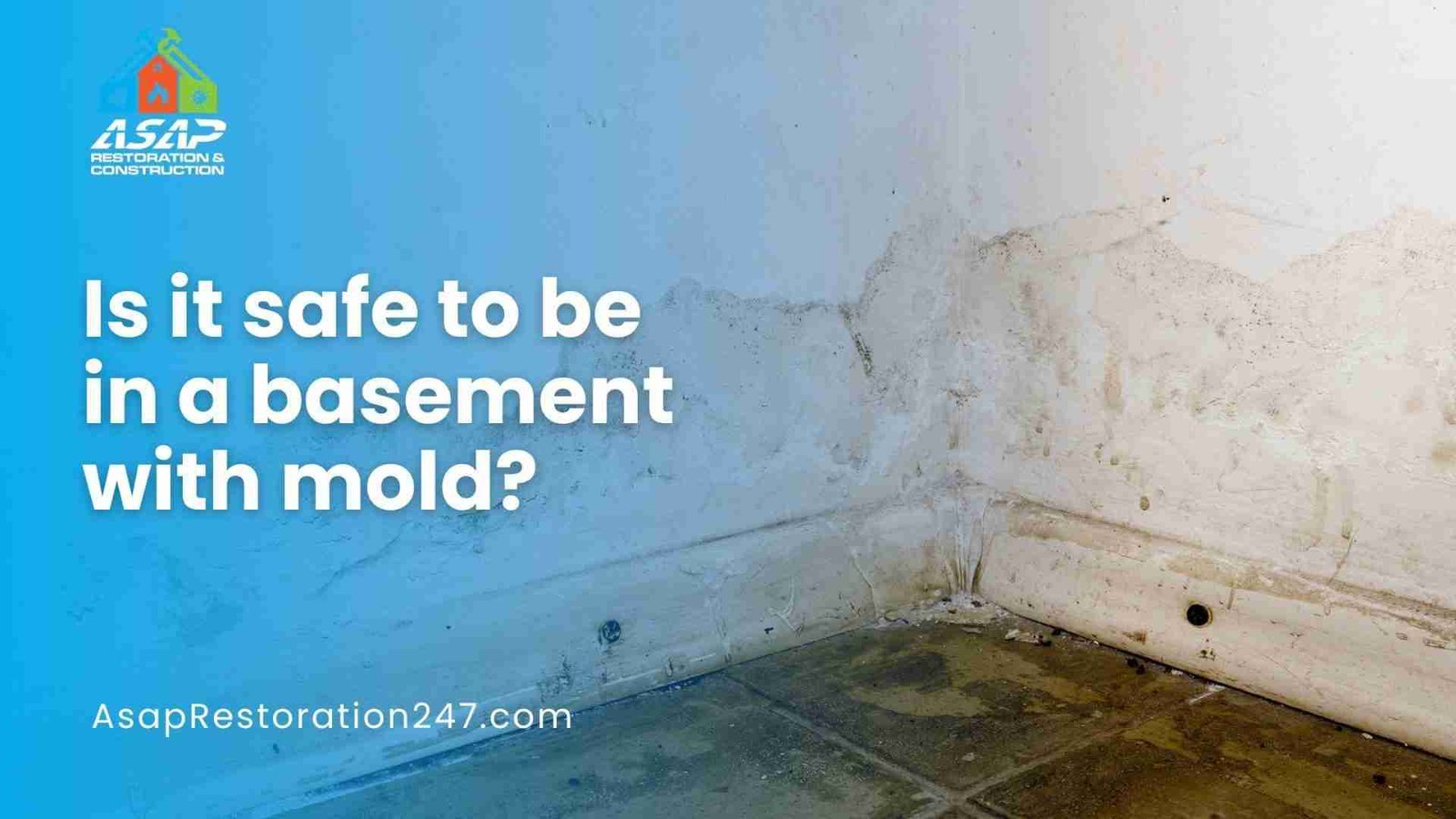
Basements are often the first places in a home or building where mold takes root. With limited airflow, increased humidity, and the presence of organic materials like wood, drywall, and carpeting, basements create a perfect breeding ground for mold. If you’ve noticed musty odors or visible growth in your basement, you might be wondering: Is it safe to be down there while mold is present?
The short answer? No, it’s not safe—and here’s why.
The Health Risks of Mold Exposure
Mold is more than just an unsightly inconvenience. When mold grows indoors, it releases spores and mycotoxins into the air. Breathing in these microscopic particles can lead to a range of health problems, especially for certain vulnerable individuals.
Common Symptoms of Mold Exposure Include:
- Sneezing, coughing, and nasal congestion
- Throat and eye irritation
- Skin rashes
- Headaches and fatigue
- Asthma attacks or worsening of respiratory issues
- Severe allergic reactions
For people with asthma, allergies, compromised immune systems, or chronic respiratory conditions, exposure to mold can be especially dangerous—even life-threatening in some cases.
Spending extended time in a basement with active mold growth increases the risk of inhaling mold spores. Even if the mold is behind walls or under flooring, spores can still circulate through the air. The longer you’re exposed, the greater the potential health impact.
Why Basements Are High-Risk Areas
Basements are particularly susceptible to mold due to:
- Moisture and humidity: Water can enter through foundation cracks, leaks, or condensation.
- Lack of ventilation: Poor airflow traps moisture, providing mold with a humid environment to thrive.
- Organic materials: Mold feeds on wood, paper, carpet, and insulation, all common in basements.
Even small mold infestations can spread quickly in such conditions, making early detection and remediation critical.
Signs You Shouldn’t Ignore
If you’re still unsure whether it’s safe to spend time in your basement, look for the following signs:
- Visible mold: Green, black, white, or brown patches on walls, ceilings, or furniture.
- Musty odor: A persistent damp, earthy smell often indicates hidden mold.
- Water damage: Staining, bubbling paint, or warped wood may signal underlying moisture issues.
- Health symptoms: If you feel worse after spending time in the basement, mold may be the cause.
When to Leave the Area
If you see extensive mold growth or begin experiencing symptoms after being in your basement, it’s best to avoid the area altogether until it can be properly inspected and treated. Even short visits can trigger health issues, and attempting to clean it yourself might release more spores into the air.
In severe cases, mold can compromise the structural integrity of your home. If you notice soft spots in walls or floors, extensive water damage, or black mold (Stachybotrys chartarum), professional remediation is essential.
Why You Should Call ASAP Restoration
Mold doesn’t go away on its own—and DIY cleaning often fails to address the root cause. That’s why it’s crucial to work with a certified, experienced remediation company like ASAP Restoration.
ASAP Restoration is a premier mold remediation company known for delivering fast, reliable, and thorough mold removal services. With state-of-the-art equipment and proven techniques, their team identifies the full extent of the problem, eliminates mold at the source, and ensures your space is safe and clean.
What ASAP Restoration Offers:
- 24/7 emergency service
- Comprehensive mold inspection and testing
- Safe mold removal using industry-approved protocols
- Moisture detection and control to prevent future growth
- Full restoration of affected areas
ASAP Restoration understands how stressful mold issues can be and works efficiently to restore your home to a safe, livable condition. Their licensed technicians follow strict safety and environmental standards to protect your health and property.
How to Prevent Mold in the Basement
While professional remediation is the best solution for existing mold, you can help prevent future problems by:
- Using a dehumidifier to keep humidity levels below 50%
- Sealing foundation cracks and fixing plumbing leaks
- Installing proper basement ventilation systems
- Avoiding carpet in below-grade areas
- Regularly inspecting for signs of moisture or mold
Prevention is key. But if mold does appear, don’t delay—call ASAP Restoration to address the problem before it escalates.
Final Thoughts
So, is it safe to be in a basement with mold? The evidence is clear: prolonged exposure to mold—especially in a confined space like a basement—can pose serious health risks and damage your home. If you suspect mold is present, staying away from the area and seeking professional help is the safest course of action.
Let ASAP Restoration be your first call. With their expert mold remediation services, you can breathe easy knowing your home is in good hands.
Need help now? Contact ASAP Restoration today for a mold inspection and take the first step toward a healthier, mold-free home. Call (480) 712-5126
1. Is it safe to stay in a basement with mold?
No, it’s not safe. Mold can release spores and toxins into the air that may cause allergic reactions, respiratory issues, and other health problems—especially in people with asthma, allergies, or weakened immune systems. If mold is present, it’s best to avoid the basement and contact a professional like ASAP Restoration for safe removal.
2. What are the health symptoms of mold exposure?
Common symptoms include coughing, sneezing, nasal congestion, skin rashes, itchy eyes, headaches, and fatigue. Prolonged exposure can worsen asthma or lead to more serious respiratory problems. If you experience symptoms after being in the basement, mold could be the cause.
3. Can mold in the basement affect the rest of my house?
Yes. Mold spores are airborne and can travel through ventilation systems, spreading throughout your home. That’s why it’s important to contain and eliminate mold as soon as it’s discovered. ASAP Restoration specializes in containment and full-home remediation.
4. What causes mold growth in basements?
Mold thrives in damp, humid environments. Common causes include water leaks, condensation, poor ventilation, and flooding. Basements often have all the right conditions for mold to grow unless properly maintained.
5. How can I tell if there’s hidden mold in my basement?
Signs of hidden mold include a musty odor, peeling paint, warped walls or flooring, and unexplained health issues. ASAP Restoration offers professional mold inspections and uses moisture detection tools to uncover hidden mold behind walls or under floors.
6. Can I clean basement mold myself?
Surface-level mold might be cleaned with proper safety gear and products, but extensive or hidden mold should always be handled by professionals. Improper cleaning can spread spores and make the problem worse. Trust ASAP Restoration to remove mold safely and completely.
7. Is mold removal covered by homeowners insurance?
It depends on your policy and the cause of the mold. Mold caused by sudden water damage (like a burst pipe) is often covered, while mold from long-term neglect may not be. ASAP Restoration can work with your insurance provider and help document the issue for claims.
8. How long does mold remediation take?
The timeline varies depending on the extent of the mold problem. Small areas may be resolved in a day or two, while larger infestations may take several days. ASAP Restoration provides clear timelines and works efficiently to restore your space.
9. Will mold come back after it’s removed?
Not if the underlying moisture issue is addressed. ASAP Restoration doesn’t just remove mold—they identify and fix the source of moisture to prevent recurrence, offering long-term solutions rather than temporary fixes.
10. How can I prevent mold from returning to my basement?
Keep humidity below 50%, use a dehumidifier, repair leaks promptly, improve ventilation, and avoid carpeting. ASAP Restoration can also recommend preventative solutions and provide post-remediation guidance to keep your home mold-free.