
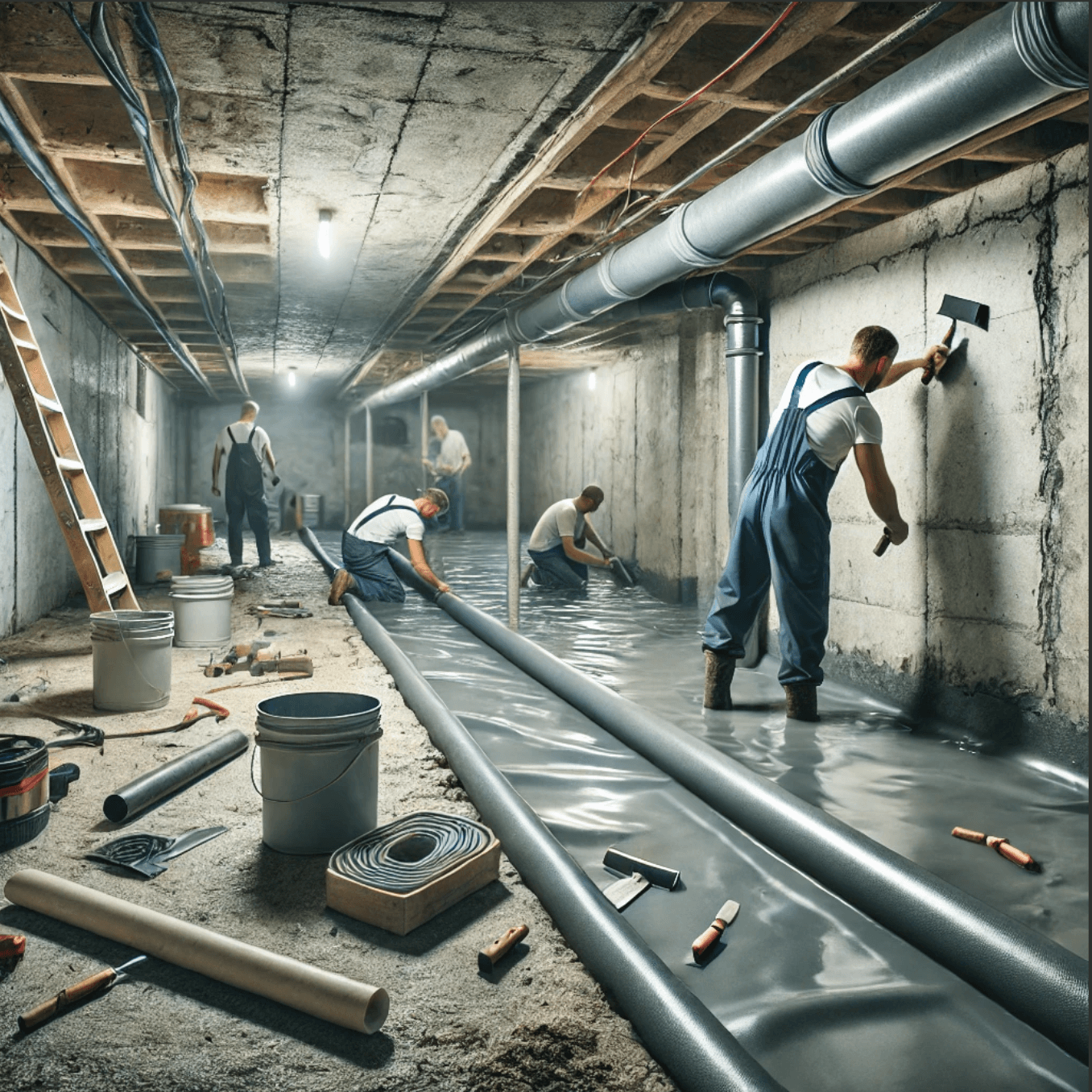
How to Fix Plumbing Leaks Like a Pro
Have you noticed water pooling under your sink or dripping from a pipe? A leaky pipe can start as a minor inconvenience but quickly spiral into serious damage. Floors can warp, cabinets may rot, and mold can creep in before you know it.
But don’t panic! Fixing a leaking pipe doesn’t have to be overwhelming or expensive. With the right steps, you can repair the leak and get back to your day.
Let me walk you through it, step by step, like we’re working on this together.
Understanding the Problem: What’s Causing the Leak?
First, let’s figure out what you’re dealing with. Is it a loose coupling nut, a pinhole leak, or a crack in the pipe? Different problems need different fixes, so identifying the issue is key.
For example, I once found a leaking pipe under my bathroom sink. It turned out to be a loose coupling nut. A quick tighten with a wrench, and problem solved. But other leaks might not be so simple. The type of pipe -PVC pipe, copper pipe, or PEX pipe – can also affect how you handle the repair.
Tools and Materials You’ll Need
Before you dive in and start the leak detection phase, make sure you have these on hand:
– Wrench: For tightening connections.
– Plumbers tape (or pipe tape): To seal threaded joints.
– Epoxy putty: For patching small water leaks.
– Pipe repair clamp: Ideal for larger ruptures.
– Pipe cutter: For replacing damaged sections of the pipe.
Pro tip: Always dry off the pipe you’re repairing before applying any sealant or tape. It makes everything stick better and helps stop the leak faster.
Step-by-Step Guide to Fixing a Leaky Pipe
1. Tightening Coupling Nuts
Did you know many leaks happen because of loose pipe connections?
Check the area where the pipe connections meet, like a drain pipe or P-trap. Grab your wrench and tighten the coupling nuts. Sometimes, that’s all it takes to stop a leak. Quick fix? Check!
2. Using Plumbers Tape
If tightening doesn’t work, you might need plumbers tape.
Unscrew the pipe joint, clean the threads, and wrap tape around the pipe threads a few times. Reconnect the joint, tighten it up, and run some water to see if the leak repair holds.
I had a water pipe leaking in my kitchen once, and plumbers tape was my lifesaver. It’s a cheap and easy way to get a temporary fix.
3. Patching with Epoxy Putty
Got a crack or pinhole leak? Epoxy putty is your go-to.
It’s great for temporary repairs and works on various pipe materials, from steel pipe to plastic pipe.
– Turn off the water supply and drain the water from the pipe.
– Knead the putty until it’s soft, then press it around the leak.
– Let it cure according to the instructions, and you’re good to go.
This method works wonders if your copper pipe or PVC pipe has a small leak. Just remember, it’s a temporary repair, so plan for a permanent fix soon.
4. Clamping and Wrapping
For larger leaks, use a pipe repair clamp or pipe wrap. These are especially useful for water lines or drain pipes.
– Clean the area around the damaged pipe.
– Position the clamp or wrap it tightly around the pipe to seal the leak.
– Tighten it securely and check for leaks.
When my neighbor’s steel pipe started leaking, they used a repair sleeve to seal the leak until a professional plumber could replace the section of pipe.
5. Replacing a Damaged Section
Sometimes, you just have to replace the pipe. Here’s how:
– Use a pipe cutter to remove the damaged section of the pipe.
– Slip coupling on your pipe and attach the new section.
– Make sure the ends of your pipe are clean before reconnecting.
This is a permanent fix, so it’s worth the effort if the pipe is severely damaged.
After the Repair: Testing and Cleanup
Once you’ve finished the repair, turn the water supply back on and check for leaks.
Is there any moisture around the pipe? If not, you’ve nailed it! Now, clean up any water and dry the area to prevent mold. Place a fan or dehumidifier near the repaired pipe to ensure everything is completely dry.
Common Concerns and Reassurances
– What if I can’t fix it myself?
No worries! Plumbing services are there for a reason. A professional plumber can handle tough jobs, like replacing a pipe with tricky connections or fixing a leaking pipe joint in hard-to-reach places.
– How do I know if I need to replace the pipe?
If you’ve used a temporary fix but the pipe is still leaking, it’s time to replace it. A damaged pipe can cause more trouble down the line.
Preventing Future Plumbing Problems
To avoid dealing with a leaky pipe again:
– Inspect your pipes regularly for wear and tear.
– Fix small leaks before they become big problems.
– Know how to shut off the main water supply valve in case of emergencies.
I’ve learned that regular maintenance can save you from a lot of headaches, and water damage!
Conclusion
Fixing a plumbing leak doesn’t have to be daunting. Whether you’re tightening a loose nut, applying epoxy putty, or replacing a section of the pipe, the steps are manageable with the right tools and a little patience. And if you ever feel stuck, don’t hesitate to call a plumbing expert. Taking action now will save you time, money, and stress later on.
So, what’s stopping the leak at your place?? Let’s fix it together. If you need more help, ASAP Restoration is here to guide you every step of the way.