
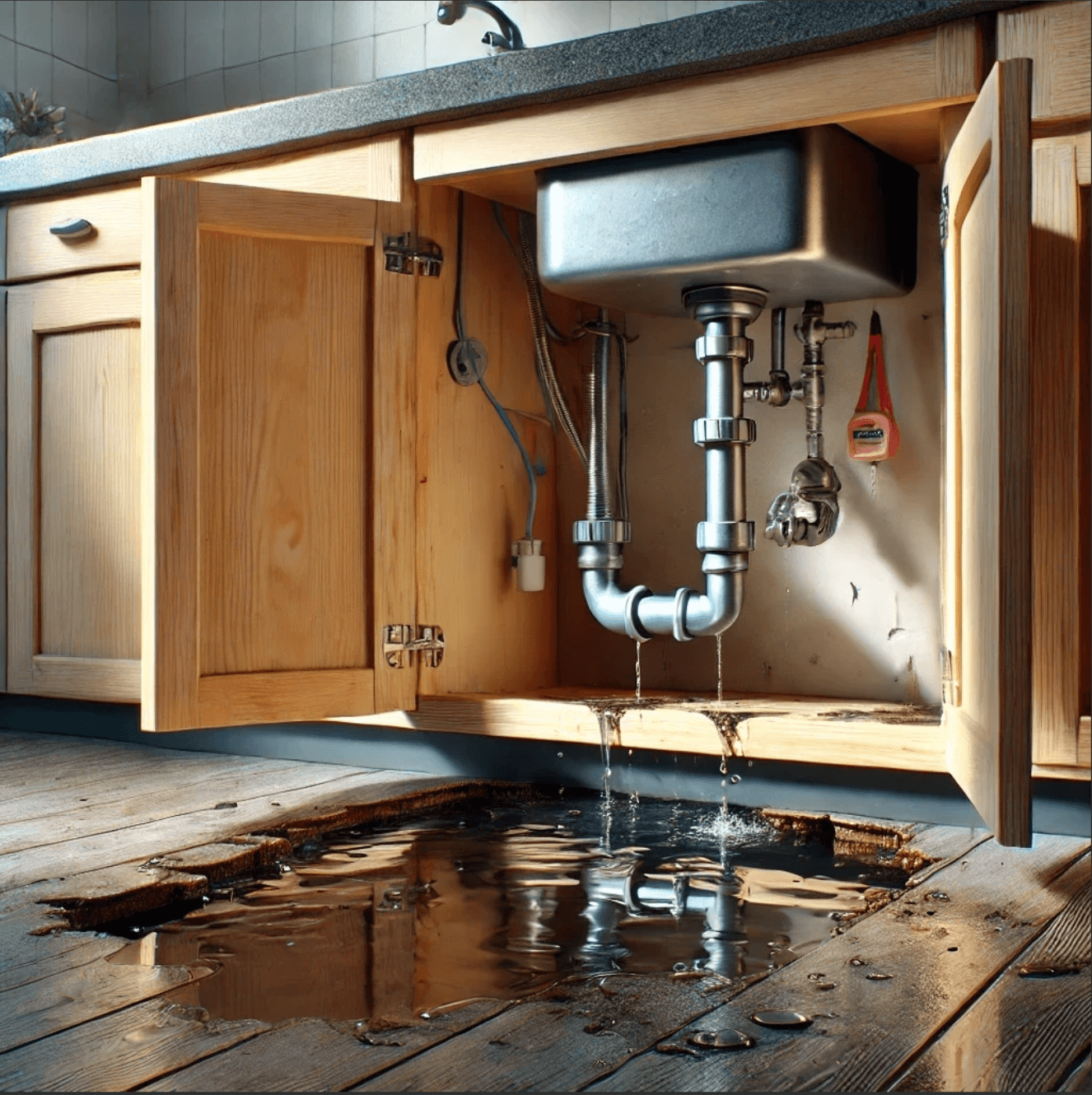
How To Tell If You Have A Plumbing Leak: 25 Warning Signs
Ever noticed something odd around your home and wondered if it could be a plumbing leak? Catching leaks early can save you from costly repairs, high water bills, and even mold growth. In this friendly guide, we’ll walk you through how to tell if you have a plumbing leak and how to prevent it.
Understanding Plumbing Leaks
What causes a Plumbing Leak?
A plumbing leak happens when water escapes from pipes, fixtures, or appliances due to wear and tear, poor installation, or environmental factors. Sometimes leaks are obvious, like dripping water, but hidden water leaks can quietly wreak havoc behind walls or under floors.
Why Early Detection Matters
Unchecked leaks can lead to water damage, mold, and structural issues, not to mention skyrocketing water bills. Investing in early detection, such as smart leak detectors, can help you catch leaks before they cause significant damage to your home.
Comprehensive List of Plumbing Leak Warning Signs
Visual Indicators
– Water Stains: Notice brown or yellow water stains on walls or ceilings? This is a clear sign water is leaking somewhere in your plumbing system.
– Peeling Paint or Wallpaper: Damp walls can cause paint to blister or wallpaper to bubble. Check areas around your home for signs of moisture.
– Mold and Mildew: Mold thrives in damp spaces, leaving musty smells and health risks in its wake.
– Warped Wood Flooring: A leaking pipe in your home can cause floors to buckle or sag.
Auditory Indicators
– Dripping Water: If you hear water drips or running water when no fixtures are on, it could signal a hidden leak.
– Rattling Pipes: Vibrations or rattles in your pipes might indicate loose fittings or a leak in your plumbing system.
Environmental Indicators
– Musty Smell: A musty smell could mean a hidden leak has caused mold growth in walls or crawlspaces.
– Increased Humidity: Damp, sticky air in certain rooms may point to a slow leak somewhere in your home.
Functional Indicators
– Reduced Water Pressure: Low water pressure could mean a pipe is leaking or there’s a blockage in your plumbing system.
– High Water Bills: A sudden spike in your monthly water bill without increased water usage is often a red flag.
– Constantly Running Water Meter: Turn off all water fixtures and check your water meter. If it keeps moving, you likely have a hidden water leak.
Structural Indicators
– Foundation Cracks: Over time, leaks can weaken your home’s foundation, causing visible cracks.
– Sagging Ceilings: Water pooling above can lead to ceilings drooping or collapsing.
Unusual Situations
– Hot Spots on Floors: If parts of your floor feel warm, it could indicate a leaking hot water pipe beneath.
– Puddles in Odd Places: Water from a leak might accumulate in strange areas, like your bathroom floor.
Advanced Leak Detection Tips
DIY Leak Detection Techniques
– Check the Water Meter: Turn off all taps and appliances, then watch the meter. If it moves, you may have a leak.
– Food Coloring Test: Add dye to your toilet tank and wait. If the bowl changes color, you have a leak from the toilet.
Smart Home Solutions
Smart leak detectors monitor water flow and can alert you to potential leaks. Some even shut off the water supply automatically to prevent major damage.
Preventing Plumbing Leaks
Routine Maintenance Tips
– Inspect exposed water pipes regularly for rust or corrosion.
– Schedule professional plumbing inspections to catch hidden leaks early.
Best Practices
– Insulate pipes to prevent freezing.
– Avoid DIY fixes that might make problems worse; always call a plumbing expert for significant repairs.
What to Do If You Detect a Leak
– Shut Off the Water: Immediately turn off the water supply to prevent further damage.
– Dry the Area: Use towels and fans to limit moisture buildup.
– Call a Professional: A licensed plumber can pinpoint the source of the leak and handle necessary repairs.
Conclusion
Finding and fixing leaks doesn’t have to be overwhelming. By staying vigilant and knowing the signs of a plumbing leak, you can protect your home and wallet from unnecessary stress. At ASAP Restoration, we’re here to help you tackle plumbing problems and keep your home safe from water damage.
Take action today; invest in a trusted plumbing inspection or a smart leak detection device to avoid costly surprises tomorrow.