What to Know About Water Damaged Hardwood Floors: Prevention, Restoration, and Maintenance
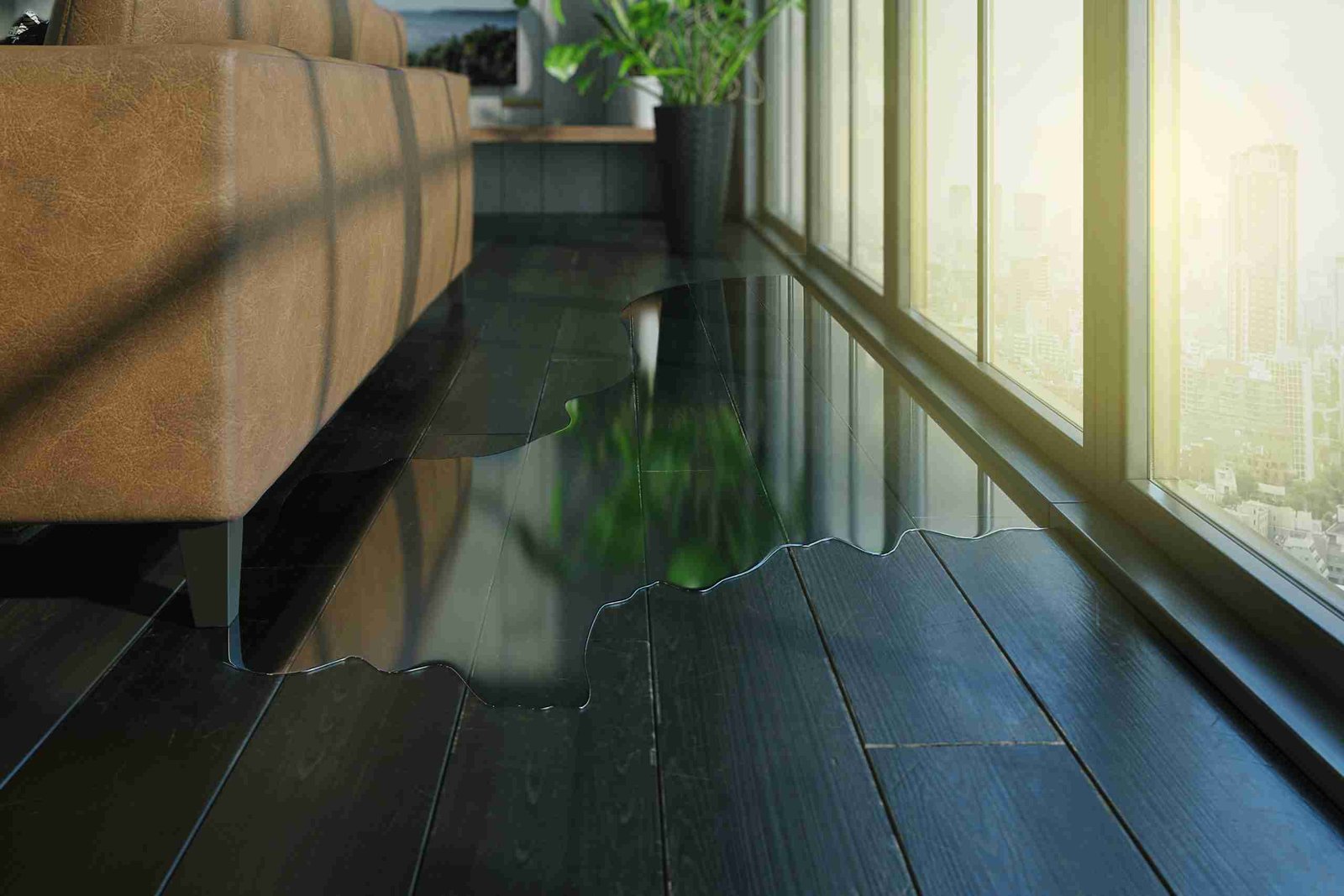
Water damaged hardwood floors are a homeowner’s nightmare. When a hardwood floor comes into contact with a large amount of water, it can lead to swelling, warping, or worse – irreversible structural damage.
Here, we’ll explore how to identify and address water damage to your hardwood floor, as well as offer strategies to prevent future problems. Written by ASAP Restoration, this guide is packed with actionable advice for dealing with water-damaged flooring.
What Are the Signs of Water Damage on Hardwood Floors?
Common signs of moisture on hardwood floors are the following symptoms:
1. Cupping: This occurs when the bottom of each board absorbs more moisture than the top, causing the edges of the floorboards to rise.
2. The floor is swollen: A wet wood floor may swell, creating uneven or raised areas on the floor.
3. Visible Water Stains: Dark or discolored spots are common with wet floors.
4. Signs of Mold: Persistent water exposure can lead to mold growth, which can be hazardous to your health.
Understanding these warning signs is the first step in damage mitigation.
How Long Does It Take for Water to Damage Hardwood Floors?
Water damage to hardwood floors can occur within hours of exposure to standing water. When water sits on a wood floor, it begins to seep into the unfinished underside of the boards, causing them to absorb moisture and swell. The longer the exposure, the more extensive the damage may be, potentially leading to the need to replace the flooring.
To minimize damage, it’s essential to remove water from the floor as quickly as possible using a water vacuum and dehumidifiers. Acting swiftly can mean the difference between salvaging and replacing your hardwood floor.
What Steps Should You Take When Water Gets on Hardwood Floors?
1. Stop the Source of Water: Whether it’s a burst pipe, water leak, or spill, addressing the source of the water is critical.
2. Remove Standing Water: Use a shop vac and towels to remove excess water from the affected area.
3. Set Up a Dehumidifier: Dehumidifiers help dry the floor and reduce excess moisture in the room.
4. Monitor the Drying Process: Measure the moisture content of the wood using a moisture meter to ensure the floor is fully dried.
5. Call a Professional: If water damage persists, professional water damage mitigation services may be necessary.
What Is the Drying Process for Water Damaged Wood Floors?
The drying process is one of the most critical steps in salvaging a hardwood floor. Here’s how it’s done:
1. Remove Items from the Room: Clear the area to ensure proper airflow.
2. Dehumidifier Running: Place a dehumidifier in the affected area to help dry the floor. You can also use fans to increase air circulation.
3. Monitor Moisture Readings: Regularly measure the moisture content of the wood using a moisture meter. Floors may need several days to fully dry.
4. Prevent Moisture Absorption: Keep the relative humidity in the home low to prevent additional moisture from being absorbed into the wood.
For severely damaged hardwood floors, the drying process may not suffice, and you may need to replace the flooring entirely.
Can You Refinish Water-Damaged Hardwood Floors?
Refinishing is a viable option for floors that have sustained minor water damage. Here’s how it works:
1. Sand and Refinish: After ensuring the floor is fully dried, sanding can remove surface-level damage, and refinishing restores the wood’s shine.
2. Assess the Extent of the Damage: If the damage is too severe, individual planks or the entire hardwood floor may need to be replaced.
Refinishing is a cost-effective solution, but it’s crucial to avoid sanding before the floor is completely dry, as this can lead to crowning.
When Should You Replace Water-Damaged Hardwood Floors?
In cases of severe water damage, such as when boards are raised by several inches or show signs of mold, replacing the flooring may be the best option. Factors to consider include:
1. Extent of the Damage: Evaluate whether individual planks or the entire floor may need to be replaced.
2. Structural Damage: Check for damage to the subfloor. If the subfloor is compromised, it may also need to be replaced.
3. Water Disaster Scale: For large water disasters, it’s best to consult professionals to ensure proper removal and replacement.
How Can You Prevent Water Damage to Hardwood Floors?
Preventing water damage is easier than repairing it. Follow these tips:
- Clean Spills Immediately: Even a small spill can cause damage if left unattended. Use a dry mop or towel to clean up spills quickly.
2. Protective Coating: Apply a polyurethane coating to seal the wood and prevent moisture absorption.
3. Inspect Plumbing: Regularly inspect plumbing and appliances for leaks or signs of water damage.
4. Control Humidity: Keep the relative humidity in your home between 30-50% to prevent moisture buildup.
5. Professional Installations: Always hire professionals for appliance and plumbing installations to minimize risks.
To minimize the risk of damage, some homeowners opt for engineered wood flooring, which features a moisture-resistant layered construction. While it still requires immediate cleanup of spills, its design makes it less prone to warping than solid woods like oak floors.
Why Call a Professional for Water Damage Repair?
Dealing with water damage can be challenging without the right tools or expertise. Professional water damage mitigation services offer:
- Specialized Equipment: Professionals use industrial-grade dehumidifiers and moisture meters.
- Expertise: They understand the steps to take to prevent permanent damage to your hardwood floors.
- Time-Saving Solutions: Professionals work quickly to minimize downtime and damage.
When in doubt, call a professional water damage mitigation company to ensure your wooden flooring is restored to its original condition.
Water damaged wood floors don’t have to be a total loss. By acting swiftly and following the proper steps, you can restore your hardwood floors to their former glory. For severe cases, ASAP Restoration is here to help with all your water damage repair needs.