Average Water Restoration Costs?
Here at ASAP Restoration, we wanted to inform Tempe residents about the average water restoration cost.
The average water restoration cost typically depends on how bad the damage is in homes in Tempe.
The worse the damage the more the cost will be.
But we are talking about average cost so we need to compare to average damage.
There are a lot of factors that play into this department.
Before you can understand how much it costs on average, let’s walk through the restoration process.
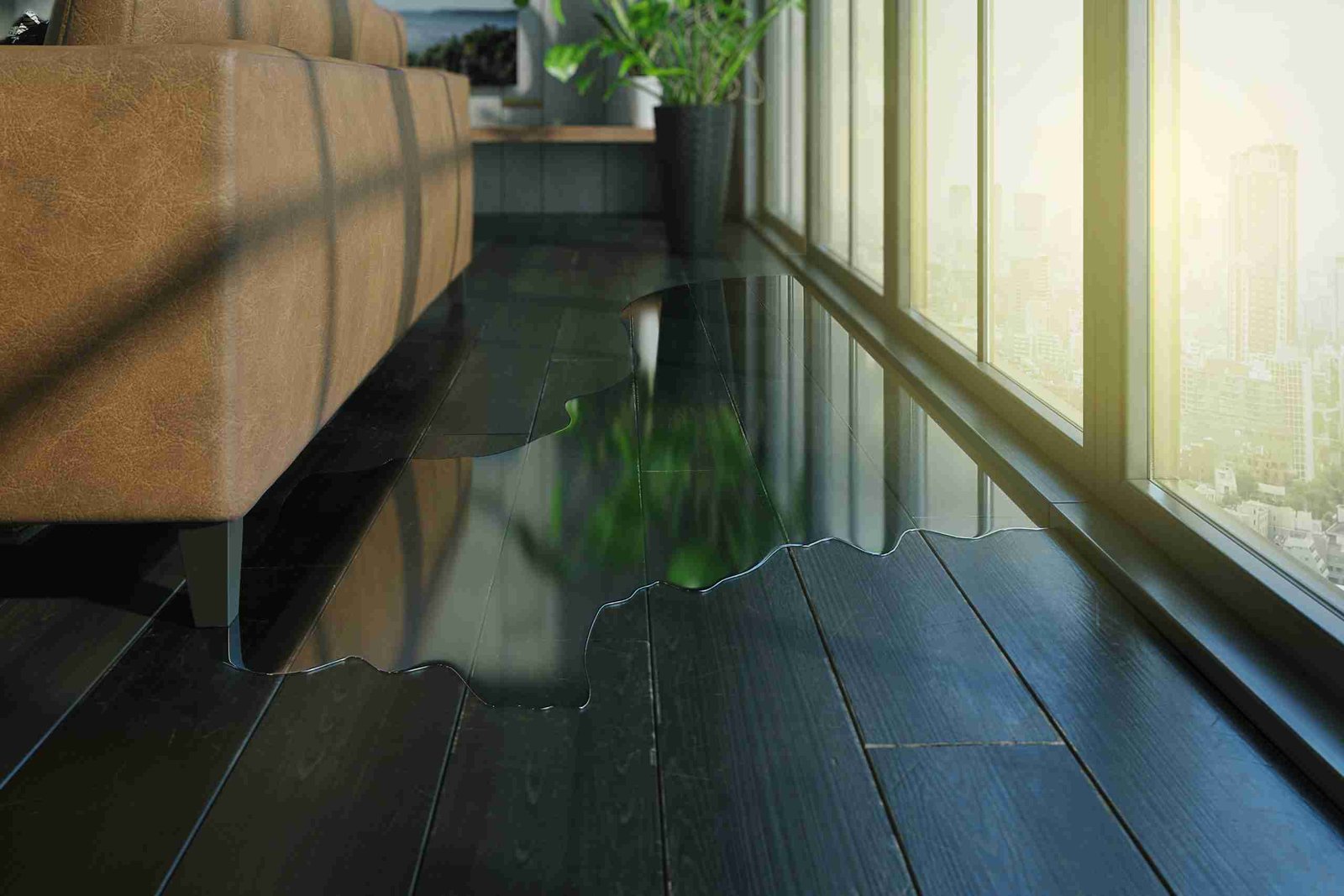
When referring to water restoration involves cleaning up your house from water infiltration.
Water damage causes warping and bulges in your house structure.
This can make your house look unsightly and leave spots and stains all throughout your house.
You will also notice mold popping up and causing respiratory issues.
Water Damage Restoration Specifics
During water restoration, the first thing we will do is fully inspect the house.
We want to make sure to spot all the signs of water damage.
This way we can make notes and ensure that we don’t miss any spots.
Even the tiniest piece of mold can turn into an infestation if not handled properly.
This can turn into an even bigger problem, not only will your house have plenty of spots and stains.
That actually cleaning depends on what category of damage you have.
Throughout this post, we will tell you the categories and the prices depending on the situation.
When dealing with damage restoration companies, water damage falls into different categories.
Category 1 involves damage from clean water, making it the easiest to dry and eliminate.
The average cost per square foot is $3 to $4 for drying.
Addressing clean water damage to carpets comes with a price range of $1 to $11 per square foot.
This price is due to the need for specialized technology and equipment.
Drywall cleanup is the least expensive, ranging from $1 to $3 per square foot.
Causes of clean water damage include leaky toilet tanks, rain, sprinklers, burst pipes, and water heaters.
Active measures are necessary for effective cleanup.
Category One Clean Water
Class 1 denotes the easiest and most budget-friendly type.
This indicates limited water exposure to just a section of the room with minimal carpet exposure.
DIY repairs are feasible for homeowners with some experience at avoiding mold contamination.
Class 2 signifies water damage across an entire room, extending up to at least 12 inches of the wall.
Cleanup by a water damage professional is more time-consuming, resulting in increased costs.
Moisture retention occurs in structural elements, appliances, furniture, and floors.